wisemonkeys logo
FeedNotificationProfileManage Forms
FeedNotificationSearchSign in
wisemonkeys logo

Blogs

Embaded operating system

profile
Priti Pandav
Jul 29, 2024
0 Likes
0 Discussions
104 Reads

Embaded operating system 

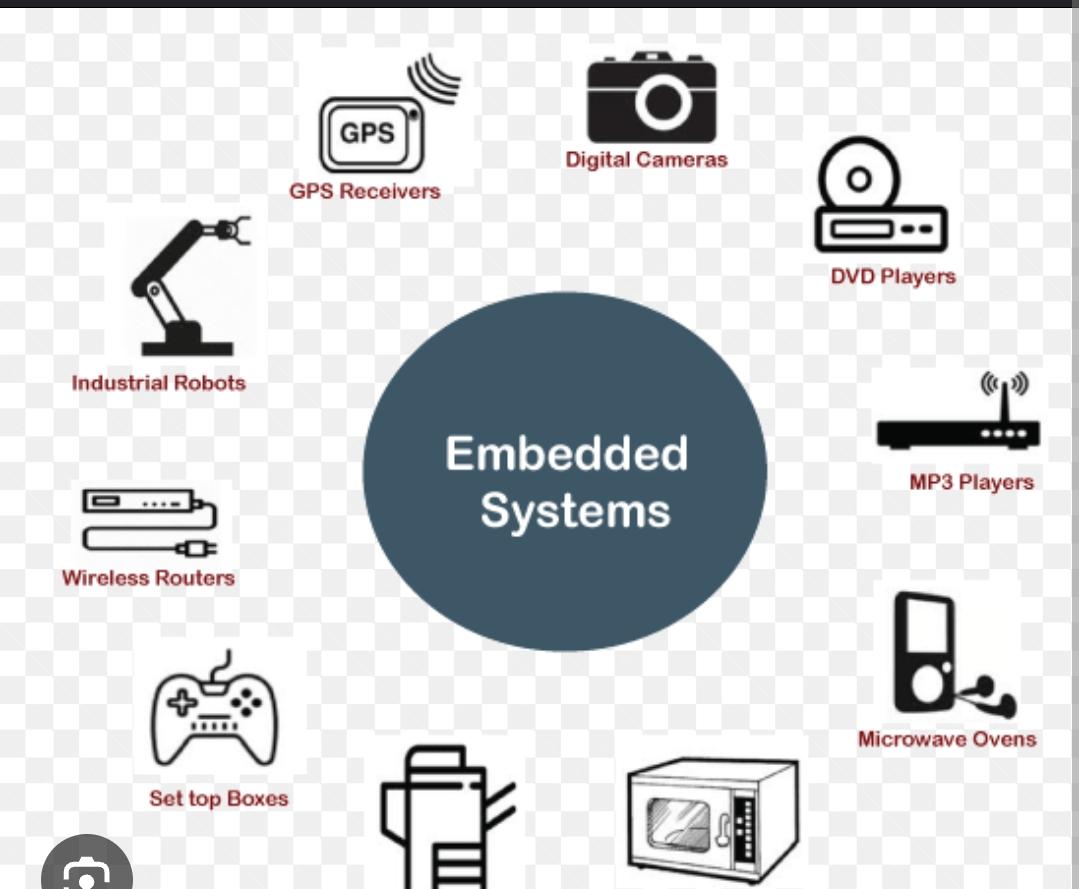
Embedded Operating Systems (EOS) have a rich history spanning over three decades. Here are some key milestones and facts:

*History:*

1. *1970s:* The first embedded systems emerged, using simple operating systems like RTOS (Real-Time Operating System).

2. *1980s:* EOS gained popularity with the introduction of the Intel 8086 processor and the development of OSs like MS-DOS and Xenix.

3. *1990s:* The rise of embedded Linux and the creation of the Embedded Linux Consortium (ELC) marked a significant turning point.

4. *2000s:* The proliferation of mobile devices and IoT (Internet of Things) led to increased adoption of EOS.

*Facts:*

1. *First EOS:* The first EOS was likely the "IBM 1800" (1969), used in process control systems.

2. *Most widely used EOS:* Embedded Linux is the most widely used EOS, with over 50% market share.

3. *RTOS dominance:* Real-Time Operating Systems (RTOS) dominate the EOS market, with over 70% share.

4. *Multitasking:* EOS often support multitasking, allowing multiple tasks to run concurrently.

5. *Real-time capabilities:* EOS prioritize real-time performance, ensuring predictable and reliable operation.

6. *Small footprint:* EOS are designed to be compact, with some systems requiring less than 1 KB of memory.

7. *Customization:* EOS are often customized for specific applications, tailoring the OS to meet unique requirements.

8. *Security:* EOS prioritize security, with features like secure boot, encryption, and access control.

9. *Connectivity:* EOS support various connectivity options, including Wi-Fi, Bluetooth, and Ethernet.

10. *Industry applications:* EOS are used in diverse industries, including automotive, aerospace, healthcare, and consumer electronics.

*Notable EOS:*

1. *VxWorks*

2. *QNX*

3. *FreeRTOS*

4. *Embedded Linux*

5. *Windows Embedded*

6. *ThreadX*

7. *uC/OS*

8. *Zephyr*

These EOS have played significant roles in shaping the embedded systems landscape, enabling the development of innovative and reliable applications.



Comments ()


Sign in

Read Next

The Importance of Financial Literacy for College Students

Blog banner

Race Conditions

Blog banner

Modern operating system

Blog banner

Network Footprinting in Cybersecurity

Blog banner

 " Healing of Yoga "

Blog banner

Evolution of Operating system.

Blog banner

Multicore CPUs

Blog banner

Virtual memory in Operating System

Blog banner

10 Alien Encounters and Abduction Stories

Blog banner

Uniprocessor and Types

Blog banner

Review on Cyber Forensics and its Analysis Tools

Blog banner

Decoding Confusion Matrix

Blog banner

E-learning

Blog banner

INTERNET

Blog banner

Sage

Blog banner

OPERATING SYSTEM

Blog banner

Mutual exclusion

Blog banner

Memory Management

Blog banner

Understanding Regression Analysis

Blog banner

Networking 101: How to Build Meaningful Connections in College

Blog banner

Discover The Top 3 Places To Stay in London

Blog banner

Cherish the Craft — Essential Tips to Maintain Your Patola Collection

Blog banner

5 Stages of Digital Marketing

Blog banner

This too shall pass

Blog banner

Data Science in Healthcare: Predicting Diseases

Blog banner

Direct memory access

Blog banner

Cloud Technology and its Implications for Entrepreneurship

Blog banner

LISP - Library Management System

Blog banner

I/O Buffering

Blog banner

E-Cash (Electronic Cash)

Blog banner

The Difference Between Plaque and Tartar Explained Simply

Blog banner

Women Empowerment

Blog banner

File Systems in OS.

Blog banner

CSI and Organizational Change

Blog banner

Online Education

Blog banner

Virtual Machine

Blog banner

Python as a tool for data analysis

Blog banner

Cloud Security: Trends and Innovations

Blog banner

Deadlocks in Operating Systems

Blog banner

Cyber Forensics

Blog banner

The Laws of Karma

Blog banner

Smart Homes | Zigbee Alliance

Blog banner