wisemonkeys logo
FeedNotificationProfileManage Forms
FeedNotificationSearchSign in
wisemonkeys logo

Blogs

How can denial-of-service(Dos) attacks be prevented?

profile
Shifa Khan
Sep 20, 2022
3 Likes
0 Discussions
194 Reads

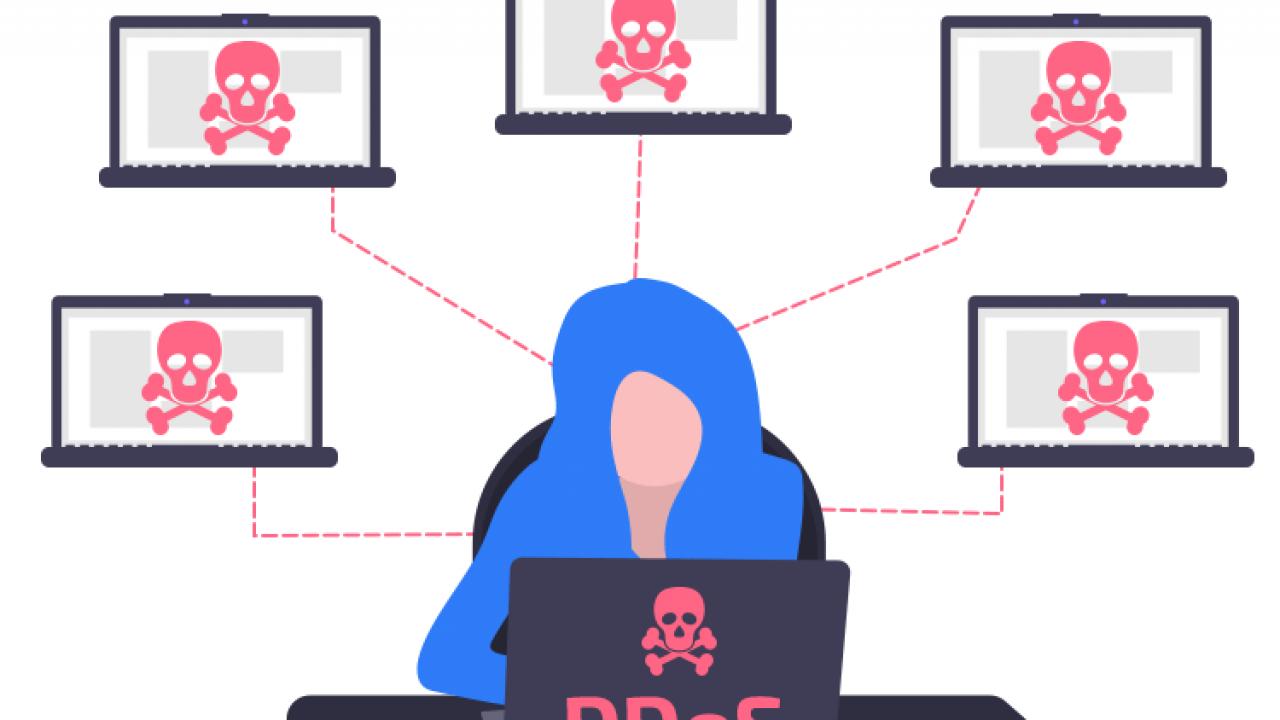
What is a denial-of-service attack?

A denial-of-service (DoS) attack is a security threat that occurs when an attacker makes it impossible for users to access computer systems, network, services or other information technology (IT) resources. Attackers in these types of attacks typically flood web servers, systems or networks with traffic that overwhelms the victim's resources and makes it difficult or impossible for anyone else to access them.

Unlike other cyber attacks, DoS attacks do not typically result in stolen, destroyed, or corrupted data. Instead, DoS attacks cause damage by making an organization incapable of running essential systems and services, which can be costly to recover. Banks, media companies, governments, and other large organizations are all popular targets due to the high level of disruption that their inability to function causes.


How can denial-of-service attacks be prevented?

Organizations can take the following actions toward denial-of-service attack protection and prevention:


  • Monitor and analyze network traffic: Network traffic can be supervised via a firewall or intrusion detection system. Administrators can set up rules that create alerts for unusual traffic, identify traffic sources or drop network packets that meet a certain criteria.
  •  
  • Strengthen their security posture: This includes fortifying all internet-facing devices to prevent compromise, installing and maintaining antivirus software, establishing firewalls configured to protect against DoS attacks and following robust security practices to monitor and manage unwanted traffic.
  •  
  • Monitor traffic: Organizations can enroll in a service that detects or redirects the abnormal traffic flows typically associated with a DoS attack, while allowing normal traffic to proceed on the network.
  •  
  • Establish a DoS attack response plan: The key is to create and also practice a disaster recovery plan for DoS attack that covers communication, mitigation and recovery.

Comments ()


Sign in

Read Next

Socket Programming in Java

Blog banner

MODERN OPERATING SYSTEM

Blog banner

Education: Key to your Prosperity

Blog banner

Threads and concurrency

Blog banner

File Management In OS

Blog banner

Direct Memory Access

Blog banner

KEAP MANAGEMENT SYSTEM

Blog banner

Data-Driven Prediction of Virtual Item Prices in Online Games

Blog banner

What is Amazon?

Blog banner

A-B-C of Networking: Part-1 (Basics)

Blog banner

Digital Marketing Ethics Transparency Trust And Brand Reputation digital

Blog banner

Top 5 Tech Innovations of 2018

Blog banner

Famous Indian dishes that where misunderstood to be Indian

Blog banner

Why am I never satisfied with my Life?

Blog banner

SmartData Collective: Data Science aur Analytics ki Duniya

Blog banner

"Games and the future"

Blog banner

PPT methodology

Blog banner

Multiple-Processor Scheduling in Operating System

Blog banner

IoT Evolution

Blog banner

Session Vulnerabilities

Blog banner

Social media

Blog banner

Deadlock and Starvation

Blog banner

Water Resources are about to exhaust...

Blog banner

Uniprocessor Scheduling

Blog banner

Modern Operating system

Blog banner

Types of Malware in Cyber Security

Blog banner

Virtual Memory

Blog banner

Study on cyber and network forensic in computer security management

Blog banner

Risk factors in service transistion

Blog banner

Virtual memory

Blog banner

Virtual Machine

Blog banner

Service Strategy In ITSM

Blog banner

Firewall

Blog banner

Uniprocessor and Types

Blog banner

Race Condition in Operating Theatre

Blog banner

Game Theory in Blockchain

Blog banner

Have You Explored India Yet?

Blog banner

Consumer to consumer Business model

Blog banner

Tableau

Blog banner

Data carving - using hex editor

Blog banner

The Impact of Cyber Forensics on Corporate Governance and Compliance

Blog banner

CONCURRENCY

Blog banner