wisemonkeys logo
FeedNotificationProfileManage Forms
FeedNotificationSearchSign in
wisemonkeys logo

Blogs

Memory managment

profile
Umang Vora
Jul 05, 2024
0 Likes
0 Discussions
3 Reads

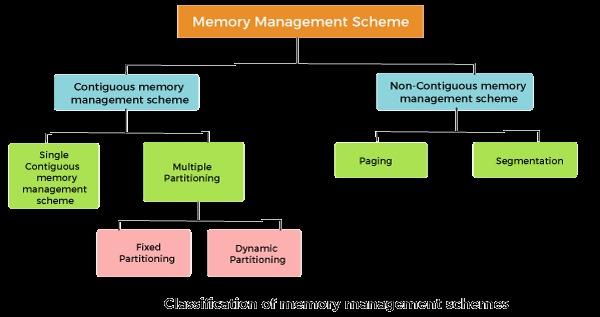
Memory management in an operating system (OS) is like a librarian managing books in a library. Here’s how it works in simple terms:


1. **Allocation and Deallocation**: Imagine programs as people borrowing books (memory) from the library. The librarian (OS) gives books to people when they need them and takes the books back when they’re done.


2. **Memory Protection**: Each person should only read their own books and not mess with someone else’s. The librarian ensures that people don't take or modify each other’s books.


3. **Memory Sharing**: Sometimes, several people might need to read the same book. The librarian lets them share it instead of giving out multiple copies, saving space.


4. **Virtual Memory Management**: If the library runs out of physical space (RAM), the librarian can use some space in the back storage (hard disk) to keep extra books. This makes the library seem bigger than it really is.


5. **Memory Mapping**: The librarian can make some books available quickly by placing them in a special, easy-to-access area. This is useful for frequently used books.


6. **Garbage Collection**: Sometimes, people leave books lying around when they’re done. The librarian goes around and picks up these unused books to put them back on the shelves, making room for others.


Overall, memory management ensures that programs run smoothly by efficiently handling the computer's memory, much like a well-organized library where everyone can find and use the books they need.



Comments ()


Sign in

Read Next

Data carving - using hex editor

Blog banner

Sage business cloud accounting

Blog banner

Deadlocks

Blog banner

Disk scheduling

Blog banner

The Role of Cyber Forensics in Addressing Cyber security Challenges in Smart Cities

Blog banner

A Weekend of Wildlife, Rivers, and Relaxation in Southwest Florida

Blog banner

Concurrency and Deadlocks

Blog banner

Types Of scheduling

Blog banner

FAMILY WHERE LIFE BEGINS....

Blog banner

Open Source Project By Google

Blog banner

Biometric Authentication Vulnerabilities

Blog banner

You'll get to know about Pankaj Negi

Blog banner

This too shall pass

Blog banner

OPERATING SYSTEM OBJECTIVES AND FUNCTIONS

Blog banner

Deadlock

Blog banner

Race condition

Blog banner

HTML vs HTML5

Blog banner

WORKFRONT SOFTWARE

Blog banner

Challenges and risks in service operations

Blog banner

Service transistion under difficult conditions

Blog banner

Real time scheduling

Blog banner

The Role of Frontline Managers in Driving Workplace Performance and Customer Satisfaction

Blog banner

Daycare Centres Help Children Transition into Structured Learning

Blog banner

The New Classic: Indo Western Patola Outfits for Today’s Woman

Blog banner

How Does Preschool Help Children Become Better Decision Makers?

Blog banner

ODOO

Blog banner

Software

Blog banner

10 Types of Friends in every friend group

Blog banner

Next time you click on "Remind me later", think twice!

Blog banner

DATA SCIENCE IN BUSINESS AND MARKETING

Blog banner

Kernel in Operating System

Blog banner

Improving defences Proxy Device(defense in depth)

Blog banner

SECURITY TOOLS

Blog banner

Office Lunch Problems in Mumbai and How Tiffin Services Solve Them

Blog banner

Threat management

Blog banner

The Power of Teamwork: Learning Collaboration Through Everyday Activities

Blog banner

Booting Process In Operating System

Blog banner

Balance

Blog banner

Cyber Security in Data Breaching

Blog banner

Types of Malware in Cyber Security

Blog banner

INTRODUCTION TO C#

Blog banner

The Power of Cyber Forensic in Solving Crimes

Blog banner