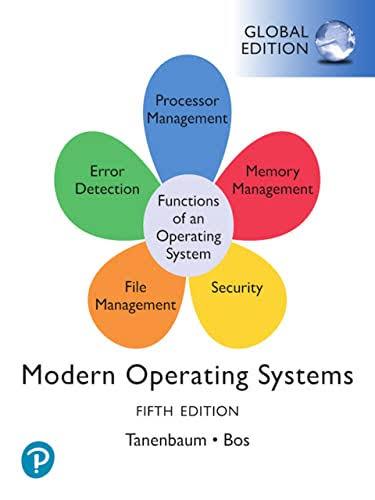
A modern operating system (OS) is a complex software that manages computer hardware and software resources and provides common services for computer programs. Here are some key features and components typically found in modern operating systems:
Multitasking: OS allows multiple programs to run simultaneously, sharing the CPU's time efficiently.
Memory Management: OS manages system memory, allocating and deallocating memory as needed to ensure efficient use of resources.
File System: OS provides a way to organize and store files on storage devices, managing directories, file permissions, and access.
Device Drivers: OS includes drivers to communicate with hardware devices like printers, keyboards, and network cards.
User Interface: OS provides a graphical user interface (GUI) or command-line interface (CLI) for users to interact with the system and applications.
Security: OS implements security measures such as user authentication, file permissions, encryption, and firewall protection to protect against unauthorized access and malware.
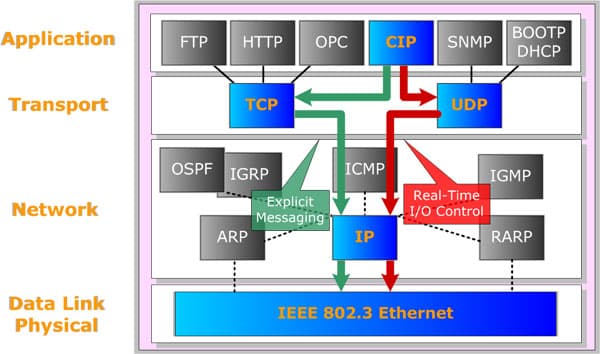
Networking: OS includes networking protocols and services to allow computers to communicate over networks, such as TCP/IP stack and network configuration utilities.
Virtualization: Modern OS may support virtualization, allowing multiple virtual machines to run concurrently on the same physical machine.
Updates and Maintenance: OS provides mechanisms for updating system software, applying patches, and maintaining system stability and performance.
Compatibility: OS ensures compatibility with a wide range of hardware devices and software applications.
Examples of modern operating systems include Microsoft Windows, macOS, various Linux distributions (Ubuntu, Fedora, etc.), and mobile operating systems like Android and iOS.
Understanding these components helps in appreciating how modern operating systems enable efficient and secure computing experiences across different devices and platforms.