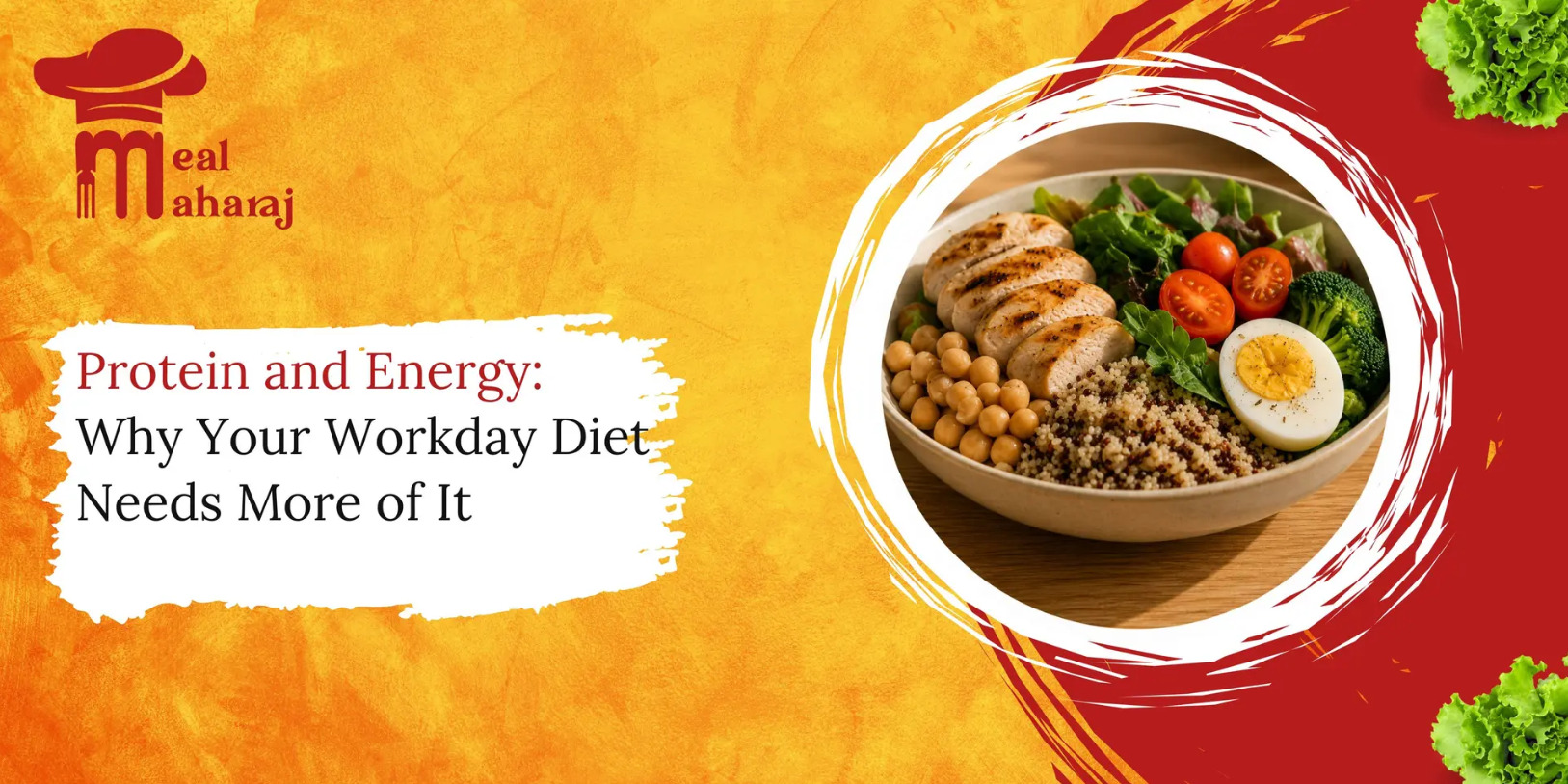
Most office employees experience low energy, low concentration, and excessive hunger during working hours. However, although it can be due to a tight work schedule and long hours, another very common reason for such problems is eating too little protein in their diet. Protein is a vital component of your body that keeps you full of energy, repairs muscles, helps you feel satiated, and supports your overall health. Thus, if you consume enough protein along with your balanced diet, it will help you stay energised and productive throughout your day. Office or remote work does not really matter when it comes to your consumption of protein foods.
Protein is one of the three primary macronutrients, the other two being carbohydrates and fats. Protein is very important in ensuring good health since it assists in building and repairing tissues, producing enzymes and hormones, and boosting the immune system. Contrary to the effects of sugary foods that lead to a spike and subsequent drop in energy levels, protein provides an extended source of energy, leaving one energised and fuller for longer periods. Taking sufficient amounts of protein helps in improving muscle and tissue strength, boosting energy levels and making sure that the body is functioning effectively.
Even though the body gets most of its energy from carbohydrates, protein is just as crucial when it comes to sustaining energy all day long. The combination of protein, healthy carbs, and fibre allows the body to break down food more slowly so that blood glucose levels do not go up and then drop suddenly, making afternoon exhaustion and lack of concentration less likely while providing energy consistency, minimising hunger, and preventing cravings for sugar snacks. Balanced meals allow one to be more productive throughout the day because of the sustained energy levels.
People who have tight schedules tend to prefer foods like biscuits, instant noodles, chips, and sweet drinks. Even though this food can solve your problem of hunger for some time, you get almost no protein out of it. Some common practices such as skipping meals, consuming snack foods, eating fast food with high levels of processing, and eating low-protein food are among things that can hinder one from meeting his/her protein needs. However, minor changes in diet and food choices can increase one’s protein consumption.
In order to increase protein intake, one does not need to make any drastic changes and can simply follow a few healthy eating practices. One can easily increase their protein consumption by consuming dal or paneer in their meals, adding sprouts in their breakfast or salads, including curd in their side dishes, or even by eating roasted chana or nuts as snacks. In case someone follows a non-vegetarian diet, they can include eggs and meat in their meals for increased protein intake. This way, one can have balanced meals, which would not only be good for health but will also give them energy throughout the day.
Protein is an important component of a healthy diet and is vital for ensuring sustained energy, concentration, and good well-being. With the consumption of protein in all meals, office workers will be able to avoid exhaustion, cope better with appetite, and remain productive. Dietary decisions like choosing meals and snacks with enough protein will have a long-term effect not only on the state of one’s body but also on work performance.
If you need healthy, home-style meals, then you should check out Meal Maharaj. You may also want to read about healthy eating habits in the articles titled "Smart Eating Habits for Office Professionals to Stay Healthy".