There are many e-commerce platforms that help individual buyers search for desired items and give sellers a place with a built-in audience of potential buyers. Most C2C platforms make money by charging sellers a small fee to list their item or a small commission on the final sale. Examples of C2C platforms include:
1. Auction platforms: Online auction sites let sellers list their goods at a minimum price and then allow multiple buyers to bid on the item until there’s a winner. Bidding can potentially drive up the price higher than if sellers listed the item at a set price, and bidders can potentially find a good deal if there aren't many other interested bidders.
Exchange of goods platforms: There's a number of online platforms that connect buyers and sellers looking to exchange physical goods—from used furniture to artwork and anything in-between. Many of these platforms exist in both website and app form and even let you search by geographic location so you can perform the transaction in person.
3. Exchange of services platforms: You can also use online C2C sites to buy and sell services such as hiring a dog trainer, a website designer, or a handyperson, or renting someone's home for vacation.
4. Payment platforms: C2C online payment platforms exist to list goods and services for sale and to facilitate payment for C2C sales on other platforms. These platforms may make money by charging users a small fee to transfer earnings into their own bank accounts.
Advantages of a C2C Business Model
Eliminating a business from a sales transaction provides certain benefits to both buyers and sellers.
1. Higher margins and lower prices. Eliminating the middleman (wholesalers and retailers) from the transaction lets sellers earn higher margins on their sales and buyers find lower prices.
2. A larger selection of goods and services. The C2C model is ideal for those dealing in rare collectibles or second-hand items that would be difficult to find from traditional businesses.
3. Convenience for both parties. The C2C model removes many of the barriers that prevent consumers from using other business models. For example, the costs associated with starting a traditional small business are too high for many sellers, and some sellers don't even want to sell as their primary source of income. For buyers, it can be a hassle to find reasonably priced goods and services at brick-and-mortar stores. C2C platforms eliminate these inconveniences and make it simple to conduct business from your own home.
3 Disadvantages of a C2C Business Model
While buyers and sellers enjoy many freedoms that come with C2C sales transactions, there are some downsides to the model.
1. There’s less quality control. Since C2C platforms don't produce and sell goods, the platforms may not be able to regulate the quality of the products on their sites.
2. Payment isn't always easy. Not all C2C platforms have built-in credit card payment systems, so payment may need to occur through cash or a separate payment platform, which might charge a transfer fee.
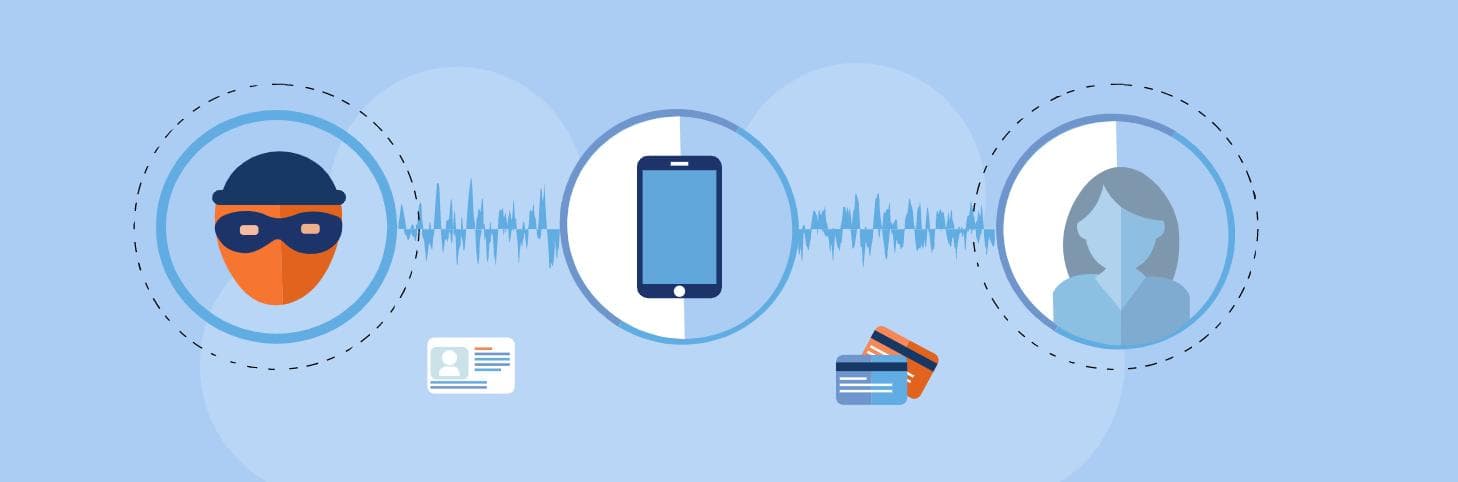
3. There are higher rates of fraud. Without the regulations of traditional business models, C2C platforms contain more instances of scammers aiming to rip off both buyers and sellers. Buyers should be wary of sellers who ask for non-traditional payment methods and can't give detailed information about their listing. Sellers should always receive full payment before transferring their items.