India is popular for a lot of things. There are many invention that were made in India and now are helping the world for example the number zero, first navigation system, first nose surgery ect. Today's topic isn't as revolutionary as they are but it does affect our day to day life. What is it ? You might ask. So it's food one of the basic necessities of a human being including water and shelter.
Food is a feeling. You eat when you’re hungry, sad, nostalgic, bored, in love, out of love and obviously when it is meal time. It soothes and it satiates. Now imagine this: hostel life wouldn’t be so bad if the food served wasn’t as pathetic as it usually was. But staying at a hotel with a ginormous buffet spread for every meal can become too much as well.
India is one of the world countries where there is a large number of food lovers. They love to cook and enjoy delicious food. Not only in India, but in many other parts of the world Indian food is liked by the people.
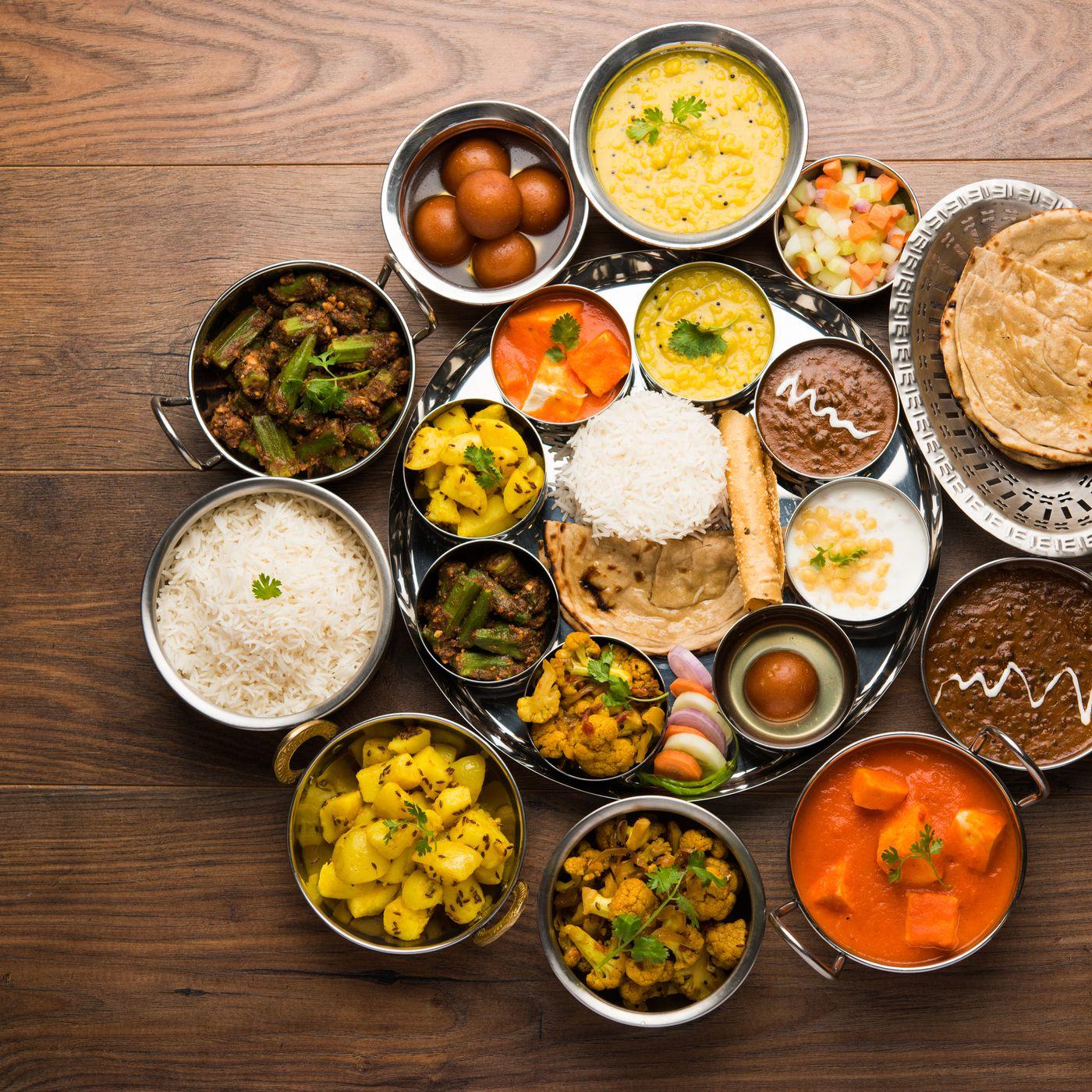
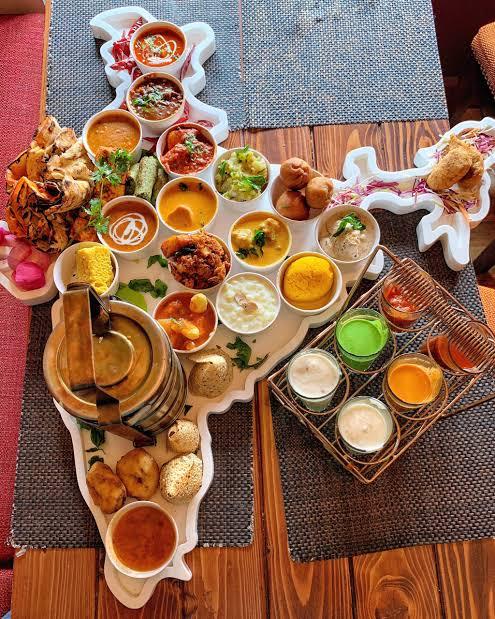
Indian cuisine consists of a variety of regional and traditional cuisines native to the Indian subcontinent. Given the diversity in soil, climate, culture, ethnic groups, and occupations, these cuisines vary substantially and use locally available spices, herbs, vegetables, and fruits. Indian food is also heavily influenced by religion, in particular Hinduism and Islam, cultural choices and traditions.
Indian cuisine has shaped the history of international relations; the spice trade between India and Europe was the primary catalyst for Europe’s Age of Discovery. Spices were bought from India and traded around Europe and Asia. Indian cuisine has influenced other cuisines across the world, especially those from Europe
Staple foods of Indian cuisine include pearl millet (bajra), rice, whole-wheat flour (atta), and a variety of lentils, such as masoor (most often red lentils), tuer (pigeon peas), urad (black gram), and moong (mung beans). Lentils may be used whole, dehusked—for example, dhuli moong or dhuli urad—or split. Split lentils, or dal, are used extensively. Some pulses, such as channa or cholae (chickpeas), rajma (kidney beans), and lobiya (black-eyed peas) are very common, especially in the northern regions. Channa and moong are also processed into flour (besan).
In recent decades, sunflower, safflower, cottonseed, and soybean oils have become popular across India. Hydrogenated vegetable oil, known as Vanaspati ghee, is another popular cooking medium. Butter-based ghee, or desi ghee, is used commonly. Many types of meat are used for Indian cooking, but chicken and mutton tend to be the most commonly consumed meats. Fish and beef consumption are prevalent in some parts of India, but they are not widely consumed except for coastal areas, as well as the north east.
Now let’s talk why Indian food? Indians have a unique relationship with food. It is all about culture and tradition. We Indians have learned about a human’s taste and their preferences. We have all of it! You just say how your food should be. We have varieties of dishes here . You name it we have it you want spices or sweet or spices with a mixture of tangy or sour or what ever combination of flavours you want we have it all. You can sit on the curb of a bustling Times Square in New York biting down on a corndog and wonder, what is it about this sausage covered in a fried batter that you always heard about?
Indian food isn’t just about flavor or taste it’s also about eating together. A common thread that binds the entire country is its love and passion for food. There is a famous saying, “A family who eats together, stays together,” and it has been imbibed in our culture. Meals are supposed to be eaten together. This is what gives us the feeling that we are all in this together.
At last at the end of every meal there is a sweet dessert. There is no better way to end a spectacular spice-filled dish than having incredible desserts. Indian desserts are sweet and delicious and the best parts is that you can have as many sweet treats as you would like when dining in Indian restaurants. Most of these desserts have actually become popular all over the world.The Indian cuisine continues to spread to different parts of the world by the day. If you have not yet tried Indian cuisine, it is time you visited Indian restaurants for remarkable treats today!