The first time one lays one's eyes on a Patola fabric, it almost feels that the cloth itself breathes art. Every thread carries with it a rhythm, and every colour tells its tale of patience and mastery. The Patola weave is one such rare treasure born in the historic town of Patan, Gujarat, which has been admired not only for its beauty but also for the requisite skill and time it takes to make one. However, with its growing popularity, many replicas have managed to get into the market. And, to really appreciate and invest in an authentic Patola, one needs to learn to recognise the genuine craft behind it.
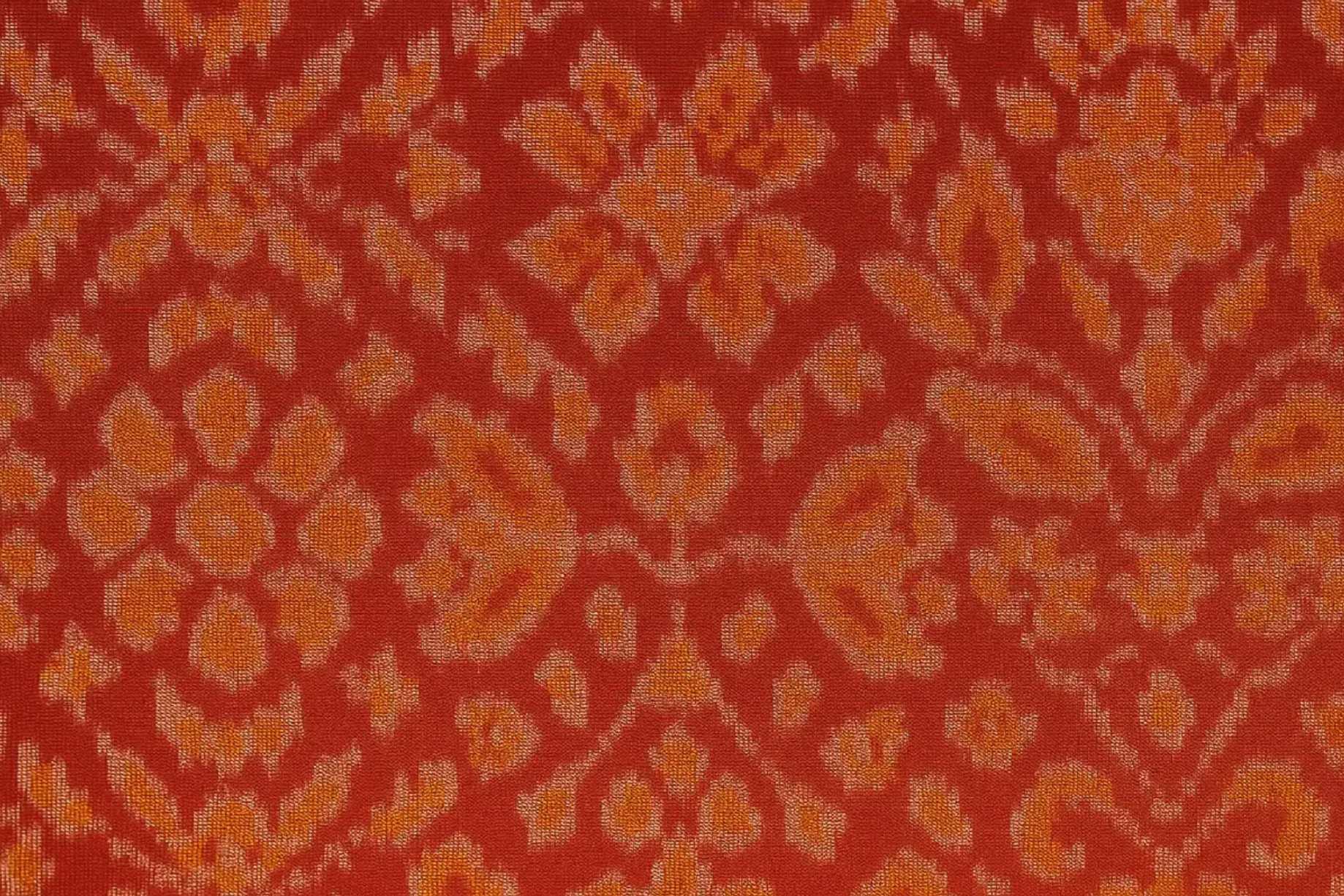
Real Patola essentially is a double ikat, or one of the few forms of weaving that few artisans in the world have mastered. While in ordinary fabrics, the design is printed or embroidered, in Patola, both the warp and the weft threads are dyed prior to weaving. Each thread is colored with exacting precision so that when woven together, the motifs align perfectly.
Hold a real Patola up to the light, and the pattern on the other side looks identical. This is called a 'mirror effect,' which is the sign of a true double ikat weave. Machine-made copies or printed fabrics show totally dull or blurred patterns on the reverse, which is a dead giveaway of imitation.
Authentic Patola Designed Fabric uses colours that are naturally dyed, which means extracted from flowers, leaves, roots, and minerals. These colours have a touch of richness that synthetic/artificial dyes can never replicate. As a colour, they mature gracefully over time, other than fading out, developing a gentle sheen. This also differentiates from the artificial ones. If a Patola appears too bright, overly glossy, or has a chemical smell, it is most likely not authentic.
True Patola colours breathe. They have depth in every look and not the loudness. Shades of red, green, indigo, and mustard blend harmoniously, giving the fabric a regal glow sans sharp contrast.
Patola is not mere design; it's storytelling in silk. Each motif has a meaning and intention. The elephant and parrot speak of prosperity and love, while flowers speak of purity and harmony. These motifs are not randomly placed; they follow an age-old tradition, keeping geometry and proportion in mind that are passed through generations to come.
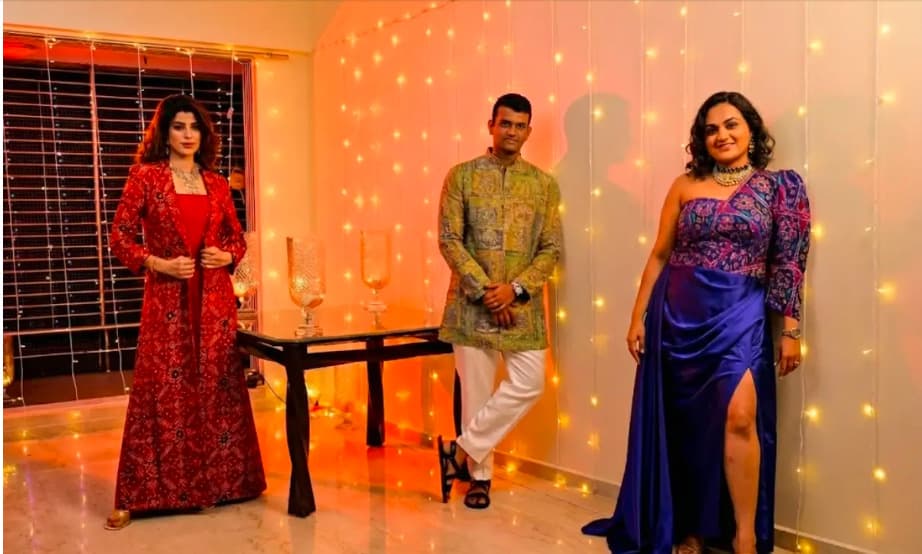
The modern interpretations of a patola design may differ in placement and colour, but deep down, the soul remains the same, an authentic traditional print. We recommend you observe a piece for its pattern alignment: in an original patola design, every intersection is clean and symmetrically jointed. This not only gives you a hand-drawn feeling but also executes precision.
Feel The Finish - With The House Of Patola
The feel of real Patola silk is soft yet structured. It does not slip easily from your hand, nor does it feel coarse. The texture is just proper-firm but fluid. There is a certain weight indicating the density and quality of the weave.
A Legacy in Every Thread
Owning Patola is not about wearing art; it's about embracing heritage. Every authentic piece takes months to create, reflecting a lineage of artisans who treat weaving as worship. When you buy genuine Patola, you carry forward a thousand years of Indian craftsmanship, a story that keeps unfolding with every thread, colour, and pattern.
Related read: Cherish the Craft — Essential Tips to Maintain Your Patola Collection.