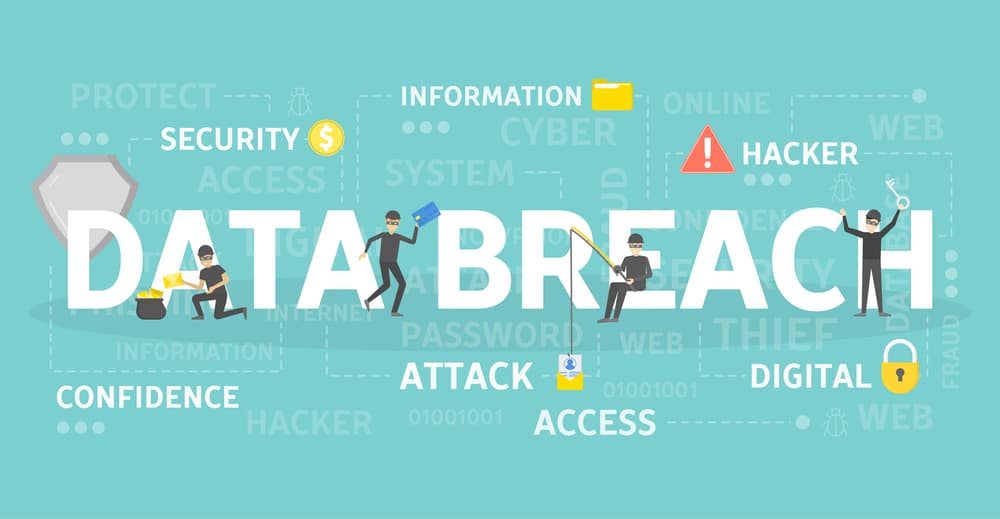
The rapid advancement of technology has led to an increasingly interconnected world, but it has also given rise to new forms of threats in the digital domain. Cyber attacks, ranging from data breaches to ransomware incidents, pose significant risks to individuals, businesses,and nations. Traditional approaches to security are often insufficient in this dynamic environment, prompting the need for novel strategies such as cyberpeacekeeping. This paper aims to shed light on the concept of cyberpeacekeeping and its role in preventing and managing cyber attacks.
NEW STRATEGIES FOR PREVENTING CYBER ATTACKS:
a. Proactive Threat Intelligence:
Cyberpeacekeeping emphasizes proactive threat intelligence gathering and analysis. By identifying potential threats before they materialize, nations and organizations can take preventive measures to secure their systems and data.
b. Collaborative Defense:
The concept of collective defense gains significance in cyberpeacekeeping. Public-private partnerships and international collaborations enable the pooling of resources and expertise to counter cyber threats effectively.
c. Resilience and Hardening:
Creating resilient digital infrastructures and systems is essential to prevent cyber attacks from causing catastrophic damage. This involves implementing robust cybersecurity measures, regular security assessments, and timely updates to software and hardware.
4. INNOVATIVE APPROACHES TO MANAGING CYBER ATTACKS:
a. Attribution and Accountability:
One of the challenges in cyber conflict is attribution – identifying the true source of an attack. Advances in attribution technologies, such as digital forensics and trace analysis, enhance accountability and deterrence.
b. Non-Kinetic Responses:
Cyberpeacekeeping explores non-kinetic responses to cyber attacks, such as economic sanctions, diplomatic pressure, and legal actions. These measures complement traditional military responses and promote stability in cyberspace.
c. Norm Development:
Establishing international norms for responsible behavior in cyberspace is a key aspect of cyberpeacekeeping. This involves diplomatic efforts to define acceptable actions and consequences for violating these norms.
THE ROLE OF INTERNATIONAL COLLABORATION:
Cyber threats transcend national borders, underscoring the importance of international collaboration in cyberpeacekeeping. Through organizations like the United Nations, Interpol, and regional alliances, countries can engage in joint efforts to prevent, manage, and respond to cyber attacks. Sharing threat intelligence, coordinating incident responses, and negotiating cyber agreements are vital components of this collaboration.
CONCLUSION:
Cyberpeacekeeping represents aparadigm shift in addressing cyber attacks, reflecting the interconnected and global nature of the digital landscape. By
embracing the principles of conflict prevention, international cooperation, and innovative strategies, nations can work together to prevent and manage cyber threats effectively. As technology continues to evolve, cyberpeacekeeping will play a pivotal role in maintaining a secure and peaceful digital environment for all stakeholders.