Introduction:
In the modern era the world is increasingly being reliant on Technology. It has become a part of our Everyday life, As more and more information is being stored online the risk of Cyber attacks is becoming greater. In 2023, the global cost of Cybercrime is estimated to reach $8 trillion, and this number is only expected to grow in the years to come. The Increasing importance of Cybersecurity is also a result of the growing number of data breaches. In 2022, there were over 6.5 billion records exposed in data breaches, and this number is only expected to increase in the years to come. Data breaches can have a devastating impact on individuals and organizations, as they can lead to identity theft, financial losses, and reputational damage.
The rise of cybersecurity is a challenge, but it is one that we must address. By taking steps to improve the security of our digital infrastructure, we can help to protect ourselves from cyberattacks and mitigate the damage that they can cause.
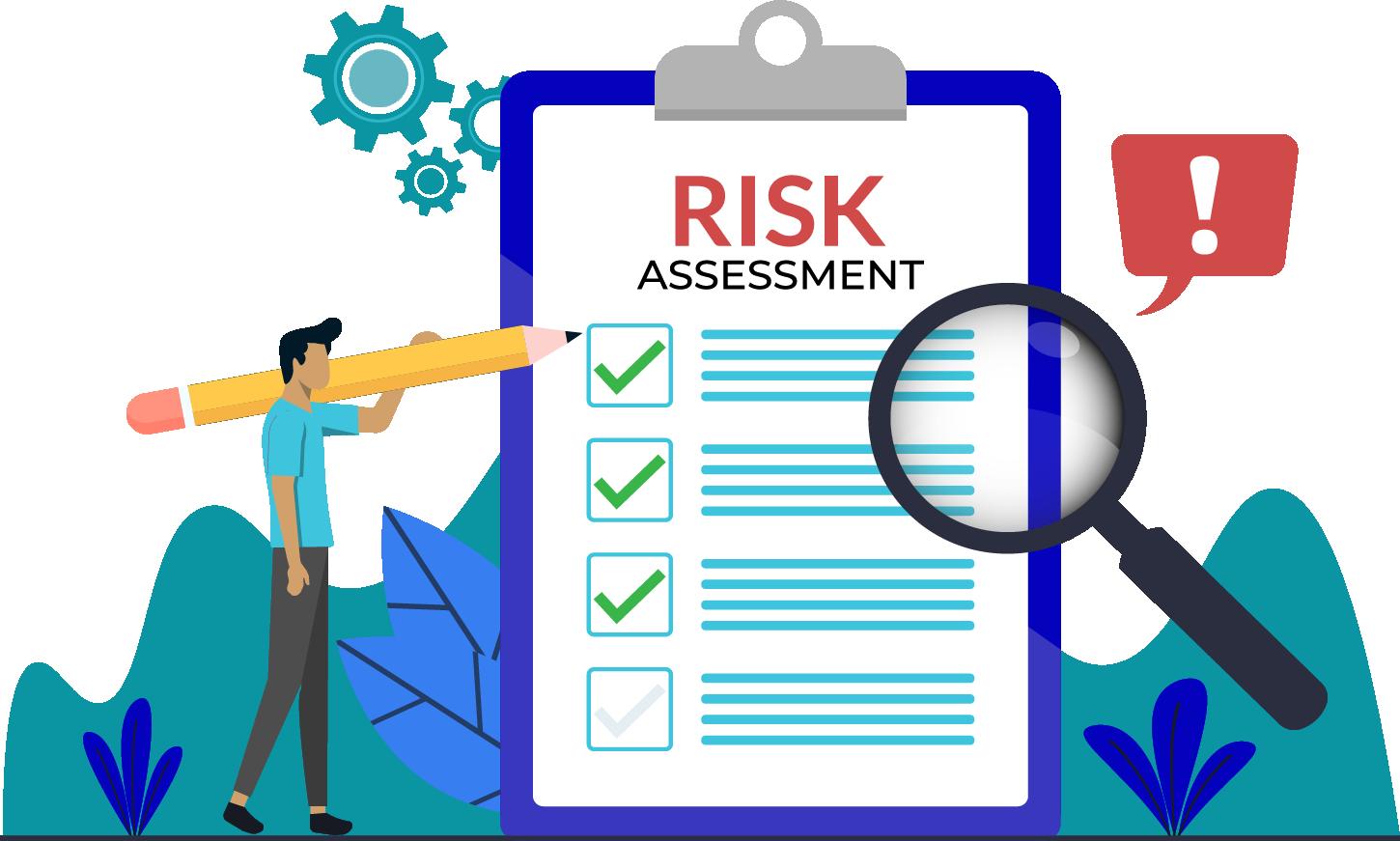
How can we Evaluate a Security Framework:
There are various Procedures one need to follow to Evaluate a Security Framework, Firstly, we need to identify the problem and elicited requirements to assess security level of organisations.
Problem Identification: For implementing an information security standard, an organisation needs to understand what should be changed and what is the impact of that change. Similarly, to make decisions at the state level, the organisation needs data to plan and estimate the security strategy.
A organization also need a good Security Posture, It refers to the overall effectiveness of an organization's cybersecurity strategy. It can be evaluated with the following Criteria:
The Best Method for evaluating the information Security level of an organization will vary depending on the specific needs of the organization. However, all of the methods listed above can be used to provide valuable insights into the organization's security posture.
There are many methods for evaluating the information security level of an organization. Some of the most common methods include:
By considering all of these factors, an organization can gain a comprehensive understanding of its information security level and identify areas where improvements can be made.
Other Well known Security Framework:
These are just a few of the many security frameworks available. The best framework for your organization will depend on your specific needs and requirements.
Conclusion:
Security Level Evaluation is the foundation of a security management strategy, as it provides detailed information about threats and vulnerabilities that can harm a business's finances and how to mitigate them. By accurately assessing your IT security vulnerabilities and understanding the value of your information assets, you can improve your security policies and procedures to better protect against cyber attacks and protect your critical assets.