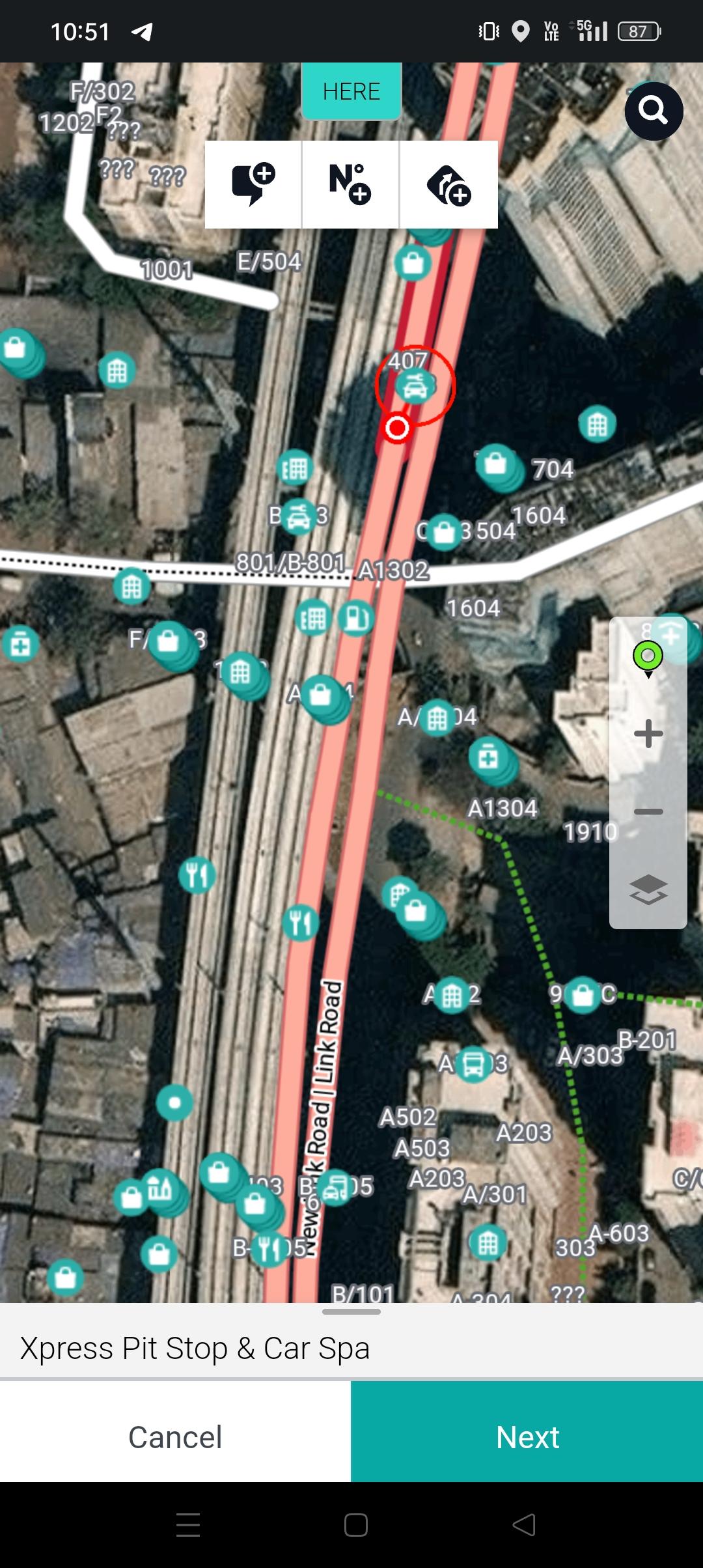
Geographic Information Systems (GIS) are computer-based systems that store, manipulate, and analyze geographic data. These systems are used to visualize, understand, and manage geographical data and information. The data stored in GIS can be used for a variety of purposes, including urban planning, natural resource management, and environmental monitoring.
GIS technology combines spatial data, such as maps, satellite imagery, and aerial photography, with statistical data to provide a comprehensive picture of the geography being studied. The data is then analyzed and visualized in a variety of ways, such as maps, graphs, and charts, making it easy to understand and interpret. This information can be used to make informed decisions, solve problems, and plan for the future.
One of the key benefits of GIS is its ability to integrate multiple types of data. This allows users to see relationships and patterns between different sets of data that would not be visible if they were analyzed separately. GIS is also highly customizable, allowing users to create maps and other visualizations that meet their specific needs.
In conclusion, GIS is a powerful tool that has revolutionized the way we analyze and understand geography. With its ability to integrate and visualize multiple types of data, GIS has become an essential tool for a wide range of industries and fields, from urban planning to environmental science.