What is Memory Management in Operating System?
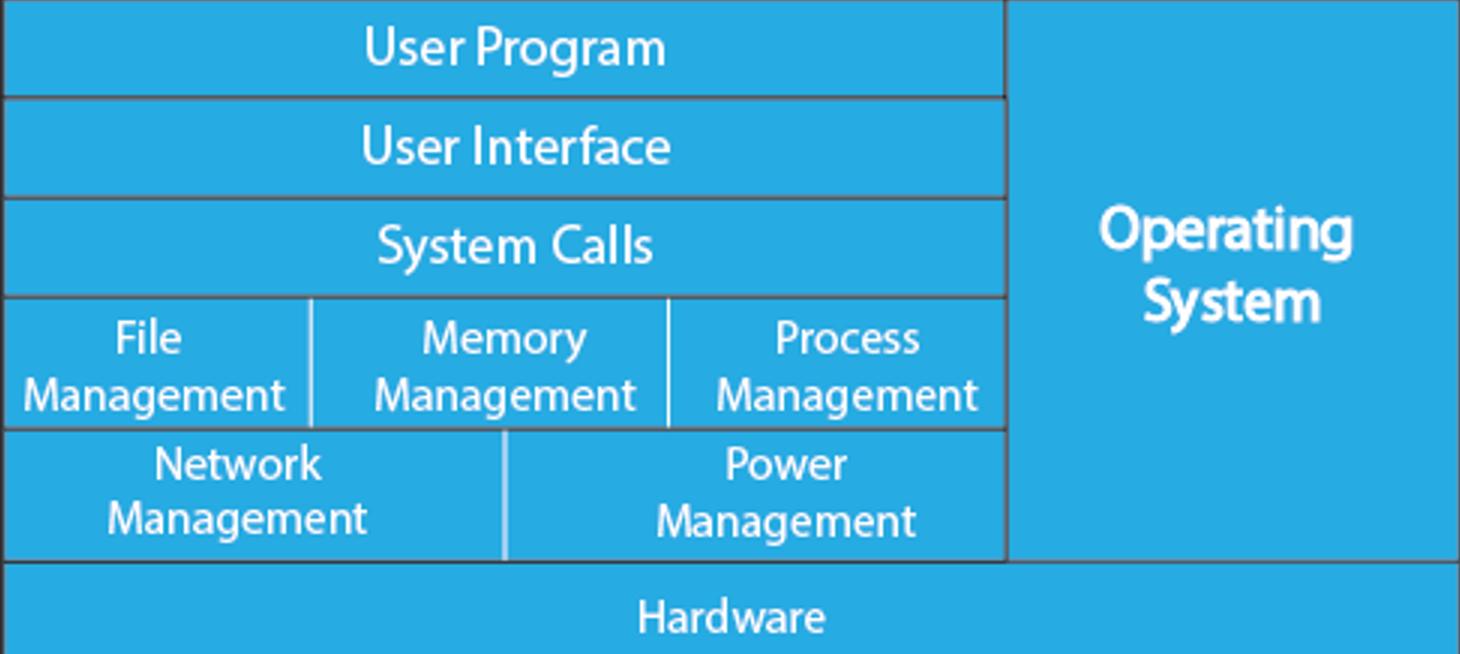
The operating system exercises control over the capabilities of random access memory (primary memory) through this mechanism. This approach is utilized to enhance memory utilization, elevate system performance, and facilitate concurrent operations.
Memory management facilitates the seamless movement of processes between primary and secondary memory. Moreover, it actively tracks the levels of available, allocated, and utilized memory.

Why use Memory Management in Operating system?
What is Paging?
A computer system may access and use memory that is larger than the memory that is built into the computer hardware. Virtual memory is the term used to describe this additional memory. The computer system employs virtual memory, which is a component of secondary memory, as its main memory. In order to implement virtual memory, paging is crucial.
Every process’s code makes use of a collection of logical addresses known as the process address space. Blocking the process address space is a memory management method called paging. The units are called "pages," and each block has the same size. A page’s size is a power of 2, and its value falls between 512 and 8192 bytes. The quantity of pages in a process is used to determine its size.
A similar division of the main memory is done into blocks of fixed size. These blocks are known as “frames” and the size of a frame is the same as that of a page to achieve optimum usage of the primary memory and for avoiding external fragmentation.
Advantages of Paging:

What is Fragmentation?
The available free space in primary memory is divided into smaller chunks when processes are relocated to and from the main memory. This occurs when a process’s memory requirements are greater than the size of the available memory, preventing memory from being allocated to the process. Such memory chunks are never used. This problem is known as Fragmentation.
Fragmentation is of the following two types:
1. External Fragmentation:
Although there is enough free main space to accommodate all processes, it cannot be used since it is not continuous. By combining or rearranging data in memory’s free memory blocks to create a single, bigger free memory block, external fragmentation can be reduced.
2. Internal Fragmentation:
When a process is given a memory block that is bigger than what the process actually needs, internal fragmentation occurs. A portion of memory is left unused in this case since no other process will use it. By giving a process access to the lowest free memory chunk that may be allocated, internal fragmentation can be reduced.

Operating System Memory Management Techniques
Following are the three major memory management techniques used in operating systems:
1. Segmentation
A technique for breaking up the main memory into many chunks called segmentation. Every block is referred to as a segment and has a certain length. Every segment has a base address that serves as its beginning point. The quantity of free memory that is present in a segment depends on its length.

The distance between a data item’s real position and the segment base address can be used to pinpoint where any data items stored in a segment are located. An offset or displacement value is used to describe this distance. Simply said, when data has to be retrieved from a segment, the actual address of the data is determined by adding the segment’s base address and offset value.
The offset value and the base address of a segment are both specified in a program instruction itself.
2. Swapping
An operating system uses the method of swapping to manage the computer system’s memory effectively. The two jobs of switching are swapping in and swapping out. Data blocks or pages are moved from the secondary memory to the primary memory by "swapping in." Blocks or pages of data are transferred from the main memory to the read-only memory (R.O.M.) during swapping. Swapping is helpful when running a large application or carrying out an operation on a huge file.

Conclusion
In the realm of operating systems, memory management plays a pivotal role in ensuring efficient and effective utilization of a computer system’s memory resources. It encompasses techniques and strategies that enable the seamless movement of processes between primary and secondary memory, all while optimizing memory allocation, system performance, and concurrency. The concept of virtual memory extends the usable memory beyond physical limitations, enhancing the system’s capabilities. However, challenges such as fragmentation can arise, necessitating careful management strategies