Data Science in Healthcare: Predicting Diseases
By Shah Hanif | Roll No: 35
Introduction
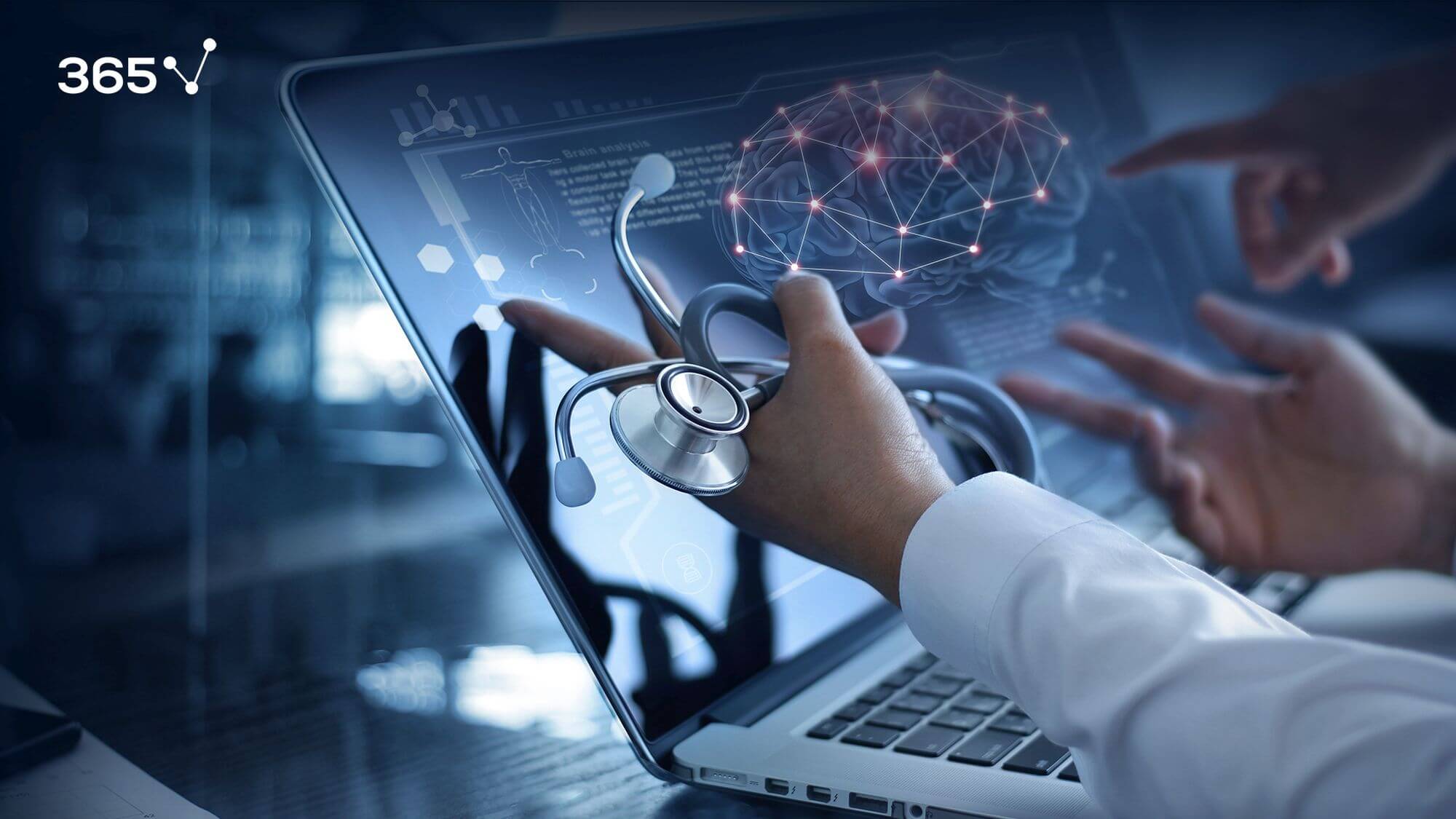
Healthcare is changing fast with the help of data science. By using powerful computers and smart methods, doctors and researchers can now analyze large amounts of health data. This helps in finding hidden signs of diseases even before symptoms appear.
What is Data Science in Healthcare?
Data science is the process of studying health-related data using advanced tools.
It helps to:
- Find hidden patterns in patient records, test results, and medical images.
- Predict diseases early, sometimes even before a patient feels sick.
- Provide better and faster treatment, leading to healthier lives.
Why Early Prediction Matters
Finding a disease early can save lives.
- Early detection makes treatment easier and more effective.
- It lowers long-term treatment costs.
- Doctors can take action before the disease gets serious.
How Data Science Predicts Diseases
Data science works in three main steps:
- Data Collection – Collecting data from hospital records, lab tests, genetic reports, and even wearable devices like smartwatches.
- Pattern Recognition – Machine learning (ML) algorithms find complex patterns in the data that humans might miss.
- Prediction & Care – Based on the patterns, the system predicts the risk of certain diseases and suggests preventive measures.
Diseases Predicted with Data Science
Data science is already helping in predicting major diseases like:
- Diabetes – Analyzing lifestyle, genetics, and health markers to find diabetes risk.
- Heart Disease – Studying heart rate, blood pressure, and cholesterol to detect early warning signs.
- Cancer – AI examines medical scans to find very small signs of cancer in its earliest stages.
Machine Learning Models Used
Different ML models help make these predictions:
- Logistic Regression – Simple yes/no predictions (like whether a person will develop a disease).
- Random Forest – Combines many decision trees to improve accuracy.
- Support Vector Machine (SVM) – Separates healthy and unhealthy data with high precision.
Real-World Impact
Data science is already making a difference:
- Diabetes prediction years before diagnosis allows lifestyle changes.
- Fewer hospital visits as AI tools catch issues early.
- Continuous monitoring through wearables alerts patients and doctors in real-time.
Challenges
Even with all these benefits, there are some challenges:
- Data Privacy – Keeping patient information safe and secure.
- Data Quality – Accurate predictions need large amounts of clean, unbiased data.
Future of Data Science in Healthcare
The future looks bright:
- Personalized Tools – Disease prediction will be more specific to each individual.
- Better Accessibility – Tools will become cheaper and easier for everyone to use.
Conclusion
Data science is revolutionizing healthcare.
It allows doctors to detect diseases early, provide faster treatment, and save lives while reducing costs.
This technology is the key to a healthier and smarter future.