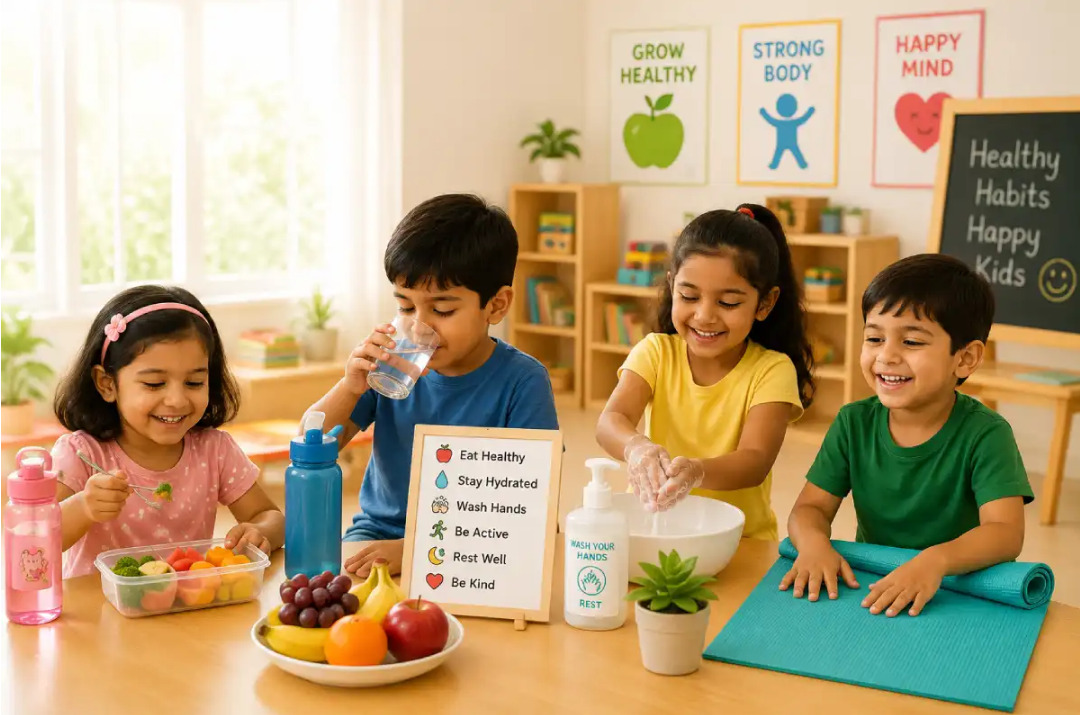
Early childhood is one of the critical stages of life at which good habits can be developed to carry on through the course of life. At this stage, children are extremely inquisitive and enthusiastic about learning through observation and repetition of actions. It is through activities carried out in quality preschools and daycares that children develop these good habits.
These simple routines can go a long way in teaching children how to become more responsible, independent, and self-reliant. With healthy routines introduced at an early age, it becomes easy for the children to become physically and emotionally sound.
Children can be taught by using routines and rewarding them when they do well. The patterns that children form at a young age usually carry on as they grow up; it is appropriate to instil good health patterns at the preschool level.
Forming good patterns assists children in developing:
a. Confidence
b. Independence
c. Well-being, both physically and emotionally
d. Responsibility
e. Patterns of living in their daily routine
Learning personal hygiene is one of the basic healthy practices that children learn at preschool. Children are taught how to perform simple hygiene routines on their own and the reasons for these practices.
Children learn how to:
a. Wash their hands before eating and after going to the toilet
b. Cover their mouth when coughing or sneezing
c. Sanitise their possessions and keep them organised
d. Toilet properly
e. Recognise the importance of cleanliness
Through the repetition of these routine practices daily, hygiene becomes an integral part of children’s lives.
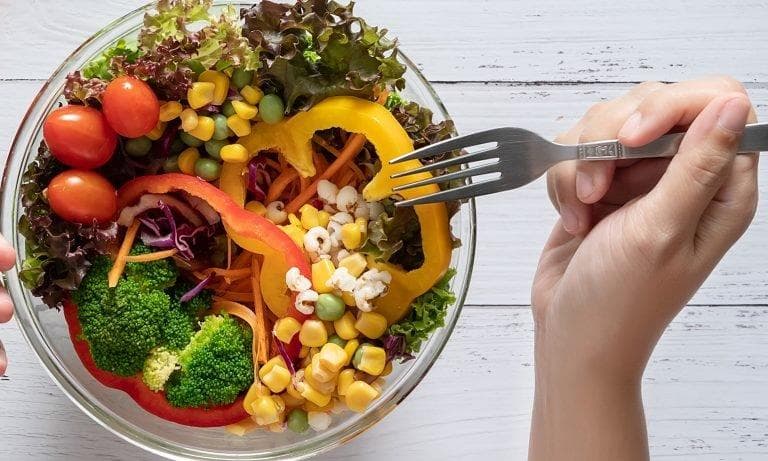
Snack time and mealtimes offer great learning experiences to children in preschools. The teachers instil positive attitudes about nutrition, experimenting with different tastes, and enjoying good eating practices.
The learning experience at mealtime includes:
a. Hand washing before meals
b. Eating by themselves
c. Good manners at the table
d. Balanced eating
e. Valuing food and minimising food wastage
The teachers create an atmosphere where the children can enjoy good nutrition without being forced.
It is important to lead an active lifestyle for proper development. In preschool institutions, there are physical activities that ensure children are always active and enjoy the process of exercising.
Children engage in:
a. Preschool games
b. Running and jumping games
c. Dancing and musical activities
d. Obstacle games
e. Sports games
Preschoolers are taught that good habits also mean being kind and respectful to others. They learn through their day-to-day experiences how their actions impact those around them.
Such habits include:
a. Sharing with other students
b. Taking turns
c. Listening attentively
d. Speaking politely
e. Being respectful of personal space
Children’s daily activities can become part of their routine for a lifetime. Hygiene skills, healthy eating, exercise, responsibility, and emotional intelligence will continue to be assets to children even outside of school years.
These skills allow children to be:
a. Confident people
b. Independent learners
c. Decision-makers
d. Active and healthy people
e. Emotionally strong
What children learn in preschool will serve them well in all areas of life.
Healthy behaviours practised by children during their preschool years will help shape their future as healthy and independent people. Preschool is an institution that helps young children learn important skills like good hygiene, proper nutrition, how to control themselves emotionally, be responsible, and be respectful to other people. Such simple and important skills not only help in the overall development of a child but also contribute to their future as confident and responsible people. It may also help find ways to promote independence skills in children. All the practices mentioned above can be found in the everyday life of children in the Elzee preschool and daycare.