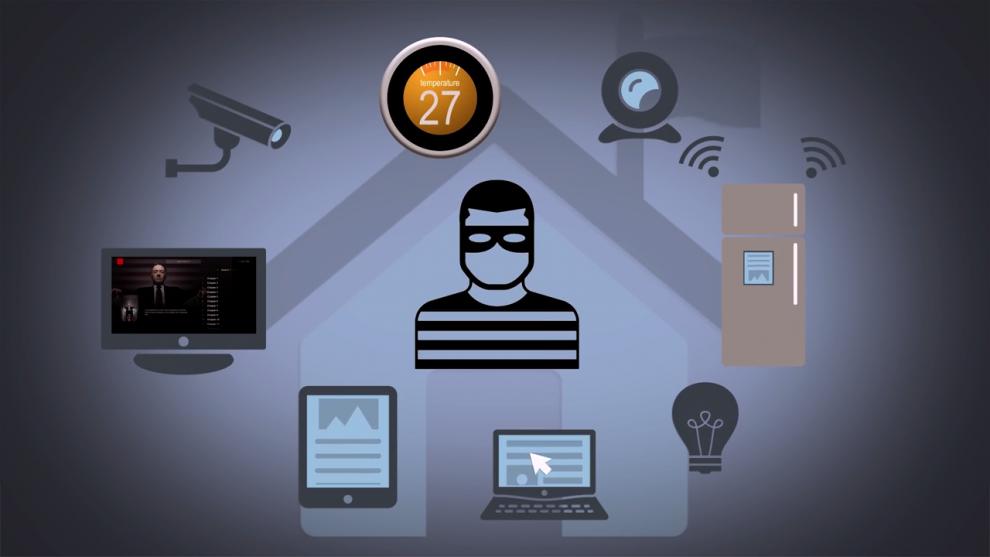
Being an interface between physical and digital world, the Internet of Things (IoT) is revolutionizing our daily living by bringing interconnected services and automation to our proximate surroundings.There has been tremendous growth recently in IoT ranging from smart home devices and wearable technology to industrial sensors and healthcare equipment, IoT has revolutionized various sectors by enhancing efficiency, convenience, and innovation.
The dynamic nature of IoT, characterized by diverse devices, varying communication protocols, and resources, presents a unique set of challenges for security practitioners and researchers.The goal of this research study is to offer a thorough examination of IoT hacking strategies, approaches, difficulties, and defences. In order to reduce the threats brought on by the proliferation of IoT devices in our increasingly interconnected world, our research aims to increase the knowledge and awareness needed.
HOW DOES IOT WORKS?
The architecture of the Internet of Things (IoT) is typically organized into several layers, each serving a specific purpose in enabling the communication, processing, and management of IoT devices and data. The five layers play a crucial role in creating a functional and efficient IoT ecosystem. Here's an overview of each layer:
1. Application Layer :
The top layer of the IoT architecture is the Application Layer. This is where end-users interact with the IoT system and where applications are developed to leverage the data collected from IoT devices.
2. Middleware Layer :
The Middleware Layer acts as a bridge between the Application Layer and the lower layers of the IoT architecture. This layer ensures that the data exchanged between devices and applications.
3. Internet Layer :
The Internet Layer is responsible for connecting the IoT devices to the internet. It encompasses the networking protocols and technologies that enable the communication between devices, as well as the gateways.
4. Access Gateway Layer :
The Access Gateway Layer serves as an intermediary between the Internet Layer and the Edge Technology Layer. It manages the communication between IoT devices and the cloud or remote servers.
5. Edge Technology Layer:
The Edge Technology Layer is the closest layer to the IoT devices themselves. It involves edge computing devices that perform data processing, analysis, and decision-making at or near the devices themselves, rather than sending all data to the cloud.
IOT Communications Models :
1. Device to Device Model
The device-to-device communication model in IoT refers to the direct communication between individual IoT devices without the need for intermediary systems. This model enables IoT devices to exchange data, commands, or information directly with each other, facilitating real-time interactions and decision-making.
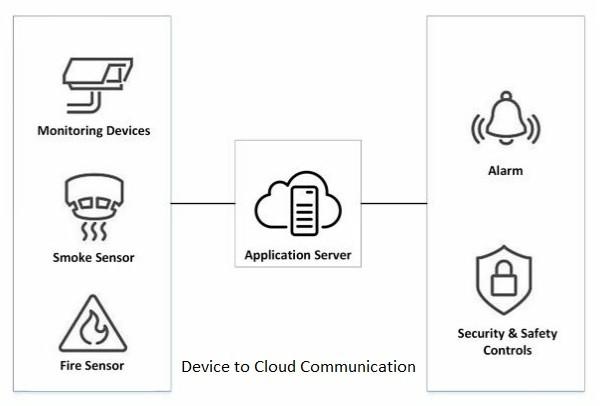
2. Device-to-Cloud Model
The device-to-cloud communication model in IoT refers to the transmission of data and information from IoT devices to cloud-based platforms or services for storage, processing, analysis, and management. This communication model enables IoT devices to send collected data to the cloud, where it can be aggregated, analysed, and utilized to extract insights, trigger actions, and provide valuable services to users, applications, and organizations.
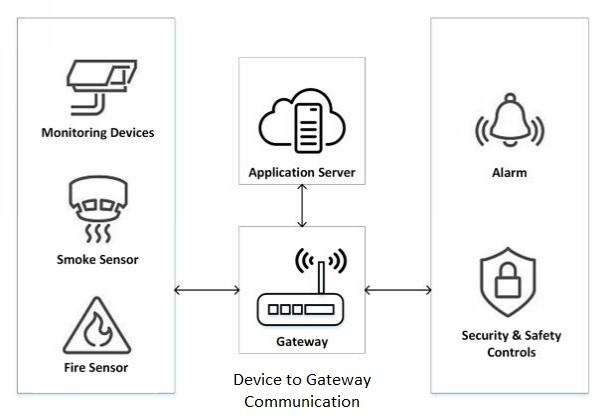
3. Device to Gateway Model
The device-to-gateway communication model in IoT involves the transmission of data and information from IoT devices to a centralized device known as a "gateway." This gateway serves as an intermediary between the IoT devices and higher-level systems, such as cloud platforms or data centers. The device-to-gateway communication model offers several benefits in terms of data aggregation, preprocessing, security, and connectivity management.
UNDERSTANDING IOT ATTACKS :
Here are some different types of attacks that can target IoT devices :
1. DDOS Attack :
Distributed-Denial of Service attack as defined earlier intended for making services of the target unavailable. the target IoT device or network with a high volume of requests, overwhelming its resources and causing it to become unavailable.
2. Man-in-the-Middle Attack :
In attack, an attacker intercepts communication between IoT devices and alters the data being exchanged. This can lead to unauthorized access, data manipulation on sensitive information. For example, an attacker could intercept communications between an IoT device and its cloud server, and then use this information to gain access to the device or its data.
3. BlueBorne Attack :
Blueborne is a security vulnerability that affects Bluetooth devices. It allows an attacker to take control of an affected device without the need for physical access. The vulnerability a wide range of devices, including smartphones, laptops, smart speakers, etc.
4. Rolling Code Attack :
Rolling code or Code hopping is another technique to exploit. In this technique, attacker capture the code, sequence or signal coming from transmitter devices along with simultaneously blocking the receiver to receive the signal. This captured code will later use to gain unauthorized access.
5. Injection Attack :
An injection attack is a type of attack in which an attacker inserts malicious code into a vulnerable application or software. An attacker could inject malicious code into a web form field on a website that controls an IoT device. This could allow the attacker to take control of the device. An attacker could inject malicious code into a database query This could allow the attacker to steal data from the device or to change its settings.
6. Firmware Hijacking :
A firmware hijacking attack is a type of cyberattack in which an attacker gains control of the firmware of an IoT device. Firmware is the software that controls the operation of an IoT device. By gaining control of the firmware, an attacker can take control of the device and do anything that the device is allowed to do, such as steal data, install malware, or take control of the device.
CHALLENGES :
IoT hacking poses several challenges due to the unique characteristics of IoT systems:
Diverse Ecosystem :
A wide range of devices with varying hardware and software configurations makes uniform security challenging. IoT ecosystems involve a diverse range of devices, platforms, and technologies.
Continuous Connectivity :
IoT devices are constantly connected, increasing the attack surface and potential for exploitation.
Scalability :
The number of IoT devices grows, managing and scaling these devices becomes a challenge. Network congestion, data overload, and resource constraints can impact system performance.
Data Management and Storage:
IoT devices generate massive amounts of data, requiring efficient data management, storage, and analysis strategies. Storing, processing, and making sense of this data can be complex.
Cost and Affordability:
Developing and manufacturing IoT devices with security features, connectivity, and robustness can increase costs. Balancing affordability with quality can be a challenge for manufacturers.
Education and Awareness:
End-users may lack awareness about IoT device security practices, making them susceptible to cyberattacks. Educating users about security best practices is essential.
COUNTERMEASURES :
Securing IoT devices against various types of attacks requires a comprehensive approach that addresses vulnerabilities.
Secure Development :
Manufacturers should prioritize security during the device development lifecycle, including secure coding practices and regular security audits. Integrating security into IoT device design and development processes. Use secure communication protocols.
Strong Authentication:
Implementing strong passwords and multi-factor authentication. Use encryption to secure data in transit and at rest, preventing unauthorized access to sensitive information. Implement strict access controls and user role management.
Network Segmentation and Isolation:
Segment IoT devices into separate networks to limit lateral movement in case of a breach. Isolate critical systems from IoT networks to prevent unauthorized access.
Regular Updates:
Timely patching of vulnerabilities through firmware updates. Regularly update device firmware to patch known vulnerabilities and enhance security. update capabilities to ensure devices can receive and install security patches and updates promptly. Choose IoT devices from reputable vendors that follow secure development practices, release regular updates.
Bug Bounty Programs :
Encourage responsible security researchers to report vulnerabilities and collaborate to fix them promptly. Implement bug bounty programs to incentivize ethical hackers to discover and report security issues.
User Education :
Educate users about device security best practices, disabling unused features, and being cautious about sharing sensitive information.
CONCLUSION :
In conclusion, the research on IoT hacking has illuminated a complex landscape that intersects technological innovation, security vulnerabilities, and the evolving threat landscape. The rapid proliferation of Internet of Things (IoT) devices has brought about transformative changes to various sectors, offering enhanced convenience, efficiency, and connectivity. It is important for organizations to stay up-to-date on the latest security threats and to take steps to protect their IoT devices.
As the IoT landscape continues to expand, By implementing the recommended countermeasures, promote an environment of continuous learning and improvement, and promoting ethical behaviour in the IoT, we can collectively strive to create a safer and more resilient digital future. Ultimately, this research contributes to the growing knowledge aimed at safeguarding the vast potential of IoT technology, ensuring that it remains a force for positive transformation rather than a vector for malicious exploitation.