Religion
India is considered the birthplace of some of the world's major religions: Buddhism, Hinduism, Jainism and Sikhism. Today, other religions such as Muslim and Christianity have worked their way into the population as well, though Hinduism remains the most popular.
Food
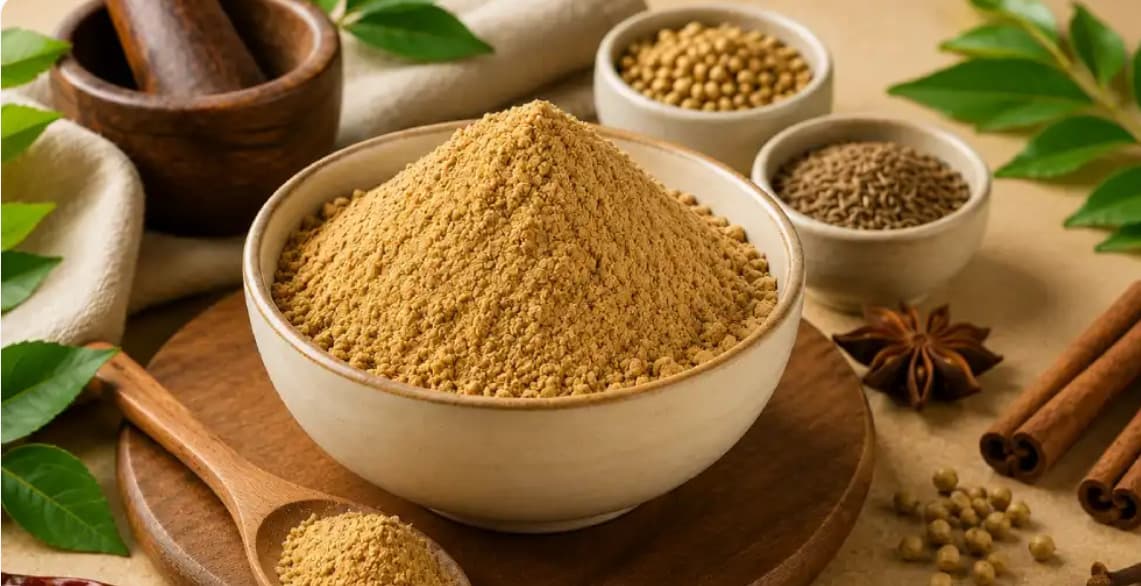
For some visitors, the heavy spices and herbs used in Indian cuisine can be difficult to adjust to. Indian spices are legendary for their medicinal purposes, food-preserving powers and flavor kicks. Spices, such as cumin, turmeric and cardamom, have been used over thousands of years to make otherwise bland but nutritional dishes taste better. Though it varies from region to region, wheat, Basmati rice and pulses are staples of the Indian diet. Several religious groups are vegetarian or have certain limitations as to what meat they can consume, but lamb and chicken are most common for those who do eat meat.
Languages
Being the world's second most populous nation (after China), India has an extensive range of languages. The constitution recognizes 15 regional languages but Hindi and English are recognized as the official languages. There are well over 1,000 dialects spoken in India.
Clothing
The Holbrook Explore
Indian Culture and Traditi
Sep 23, 2014|Cultural| by administrato
India has a diverse and distinct culture that has been developing for thousands of years and varies from region to region. Here is a brief overview of culture and tradition in India
Religi
India-Hin
India is considered the birthplace of some of the world's major religions: Buddhism, Hinduism, Jainism and Sikhism. Today, other religions such as Muslim and Christianity have worked their way into the population as well, though Hinduism remains the most popula
Fo
India-Fo
For some visitors, the heavy spices and herbs used in Indian cuisine can be difficult to adjust to. Indian spices are legendary for their medicinal purposes, food-preserving powers and flavor kicks. Spices, such as cumin, turmeric and cardamom, have been used over thousands of years to make otherwise bland but nutritional dishes taste better. Though it varies from region to region, wheat, Basmati rice and pulses are staples of the Indian diet. Several religious groups are vegetarian or have certain limitations as to what meat they can consume, but lamb and chicken are most common for those who do eat mea
Languag
India-Langua
Being the world's second most populous nation (after China), India has an extensive range of languages. The constitution recognizes 15 regional languages but Hindi and English are recognized as the official languages. There are well over 1,000 dialects spoken in Indi
Clothi
India-Dre
Colorful silk saris are what many can picture women to be wearing in India while men traditionally wear a dhoti. Saris vary from five to nine yards long and two to four feet in breadth, and are wrapped around the waist and draped over the shoulder often baring the midriff. The sari may have originated among India's temple dancers in ancient times because saris allowed them to maintain modesty while also giving their limbs the freedom of movement. A dhoti is an unstitched piece of cloth ranging from four to five yards in length and tied around the waist and legs. Gandhi used to wear a dhoti, and it was considered to be an attire that commanded dignity .
Architecture
The Taj Mahal is the most well-known example of Indian architecture. Located in Agra, Uttar Pradesh, India, the Taj Mahal is a white marble mausoleum that was built by Mughal emperor Shah Jahan in memory of his third wife, Mumtaz Mahal, as a testament of his love for her.
Arts
Often referred to as "Bollywood," the Indian film industry is located in Mumbai, Maharashtra, India. Bollywood's films are known for their elaborate singing and dancing. The "Golden Age" of the Hindi cinema was from the late 1940s to the 1960s.
Indian culture is unique and though modernity has occurred over the years, the people of India remain rooted in their rich heritage.