wisemonkeys logo
FeedNotificationProfileManage Forms
FeedNotificationSearchSign in
wisemonkeys logo

Blogs

(Input/Output) in os

profile
Dhruv Koladiya
Sep 08, 2024
0 Likes
0 Discussions
73 Reads

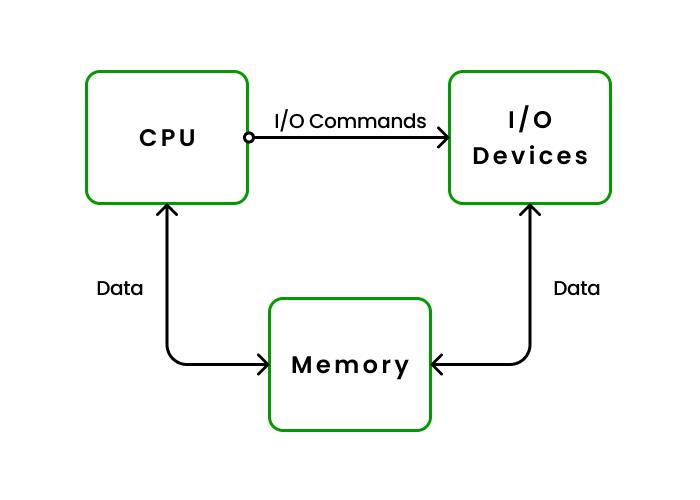
In an Operating System (OS), I/O (Input/Output) refers to the communication between the computer and the external world, such as with devices like keyboards, mice, printers, displays, and storage drives. The operating system manages this interaction to ensure that data can be transferred between the CPU and these I/O devices efficiently.

Key Points about I/O in an OS:

  1. I/O Devices: These include:
  • Input devices: Keyboard, mouse, scanner.
  • Output devices: Monitor, printer, speakers.
  • Storage devices: Hard disks, USB drives, SSDs
  1. I/O Operations:
  • Input: When data is sent to the computer, like pressing a key or clicking the mouse.
  • Output: When data is sent from the computer, like displaying something on the screen or printing a document.
  1. I/O Controller: Each device has its own I/O controller that interprets the signals between the device and the computer.
  2. Device Drivers: These are special programs that allow the OS to communicate with hardware devices. They translate general OS instructions into specific commands for the hardware.
  3. Interrupts: When an I/O operation is completed (e.g., a file is written), the device can send an interrupt to inform the CPU, so it knows the operation is done.
  4. Buffering: Data is often stored temporarily in a buffer while it’s being transferred between the CPU and an I/O device to handle speed differences between them.


Comments ()


Sign in

Read Next

Explaining Buffer Overflow with Example

Blog banner

Virtualization

Blog banner

Memory management

Blog banner

Deadlock

Blog banner

Compromising Mobile Platforms

Blog banner

E-learning

Blog banner

Buffering

Blog banner

gis substation

Blog banner

DNS Cache

Blog banner

Cache memory

Blog banner

FASHION

Blog banner

Design Considerations for Disk Cache Management

Blog banner

Explain website hacking issues

Blog banner

Raising Emotionally Intelligent Students: The Classroom Beyond Academics

Blog banner

Uniprocessor and Types

Blog banner

The Art of Slow Fashion: Why Patola Defines Sustainable Luxury

Blog banner

Cache memory

Blog banner

The New Classic: Indo Western Patola Outfits for Today’s Woman

Blog banner

My favourite food

Blog banner

Segmentation and paging concept

Blog banner

Social engineering in cyber security

Blog banner

Decrypting Cryptocurrency: Tracing Transactions in Cyber Investigations

Blog banner

Virtual memory

Blog banner

File system

Blog banner

Drawing tips for a beginner

Blog banner

Question

Blog banner

How to grow followers on Instagram business account?

Blog banner

Cross site scripting Attack

Blog banner

Sleep Matters: The Science Behind Toddler Naps

Blog banner

MOVEMBER

Blog banner

What is service level Agreement?

Blog banner

Virtual Memory

Blog banner

Proton mail

Blog banner

15 Websites that will make your life easier ...!!!

Blog banner

Race Condition in Operating Theatre

Blog banner

Microsoft Windows Overview

Blog banner

Memory management

Blog banner

Procedure For Corporate High-Tech Investigations

Blog banner

Top Career Paths After a B.Com Degree in Mumbai: What’s Next for You?

Blog banner

Threads Concurrency: Mutual Exclusion and Synchronization

Blog banner

evolution of operating system - Disha Parekh

Blog banner

Exploring the Power of Encase Forensic Tools: Unraveling Digital Mysteries

Blog banner