wisemonkeys logo
FeedNotificationProfileManage Forms
FeedNotificationSearchSign in
wisemonkeys logo

Blogs

Memory management

profile
Neeti undefined
Aug 15, 2024
0 Likes
0 Discussions
71 Reads


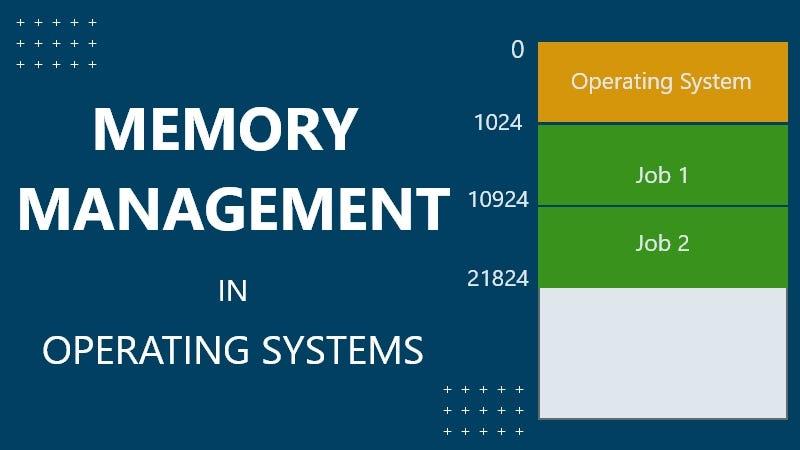
-memory is collection of data in a specific format. The instructions are stored and processed in memory. When the memory is subdivided among different processes it is called memory management. Memory management is important for effective utilization of memory since memory is the most important thing in operating system. Basic terms used in memory management:

1. Frame- fixed length block in main memory

2. Page- fixed length block in secondary memory

3. Segment- variable length block in secondary memory


Memory management requirements include:

1.   Reallocation: In multiprogramming system, the main is shared by multiple processes so a programmer cannot predict which programs will be stored in memory while program runs.

Processes are swapped in and out of main memory to maximize processor utilization. When program is swapped out of disk it may be placed in different memory back in requiring relocation.

2.   Protection: To protect processes from unwanted interference it is essential to make sure other programs don’t access the memory without proper authorization.


3.   Sharing: Any mechanism must have the flexibility to allow several processes to share same memory space. The memory management should allow shared memory with controlled access and with protection.


4.   Logical organization: To handle programs the operating system and computer hardware must support fundamental module that enables sharing and protection. This has following advantages:

·     Modules can be written and compiled independently.

·     Different modules can be assigned varying levels of protection.

·     Various mechanism exists to facilitate sharing of modules among different processes.

5.   Physical organization: The computer’s memory structure consists of main memory and secondary memory. Main memory is faster but volatile while secondary memory is used for long term storage. The main concern is the flow of information between these memory levels. The complexity of managing the information flow between main and secondary memory along with challenges of overlaying and uncertain space availability makes it difficult for programmers to fully understand and optimize memory usage.



Comments ()


Sign in

Read Next

Deadlocks

Blog banner

Vulnerability Assessment

Blog banner

Stop Racism

Blog banner

Major achievement

Blog banner

Uniprocessor scheduling

Blog banner

The New Role of Social Media Managers: Beyond Posting Content

Blog banner

Zero Trust Security Model: Revolutionizing Cybersecurity in the Digital Age

Blog banner

Internet: The Vast Ocean Of Knowledge.

Blog banner

MPL and how its effects?

Blog banner

What is Minting & Mining

Blog banner

Process, process creation and process termination

Blog banner

To travel is to live

Blog banner

Spitting Pink in the Sink: Why Your Gums Randomly Bleed

Blog banner

social media issue

Blog banner

Why Moms Are Choosing Customised School Accessories Over Generic Products?

Blog banner

Top 10 Logos and their meanings

Blog banner

SECURITY RISKS OF REMOTE WORKING

Blog banner

Top 5 Post-Wedding Skin Care Tips

Blog banner

Message Passing in OS

Blog banner

How to Plan a Week of Healthy Meals Without Stress

Blog banner

Modern Operating Systems.

Blog banner

Memory Management

Blog banner

A Traveller’s Guide to Offbeat Places in Arcadia, Florida

Blog banner

Technical Challenges and Directions for Digital Forensics

Blog banner

How Men and Women Process Pain Differently

Blog banner

Deadlock in Operating systems

Blog banner

Dental Problems That Start Small But Should Never Be Ignored

Blog banner

Vulnerability Assessment

Blog banner

Importance of modern technology era

Blog banner

Electronic Funds Transfer

Blog banner

Denial-of-Service and Distributed Denial-of-Service Attack Techniques

Blog banner

How Harshad Valia International School is nurturing India’s Young Minds?

Blog banner

Kernel Memory Allocation In Linux.

Blog banner

Rules and Regulations of Networking: "Standards and Protocols" - Part 1

Blog banner

Virtual memory

Blog banner

Deadlock in Operating System

Blog banner

Dos (Denial of service) Attack

Blog banner

Operating system evolution

Blog banner

Heart Fulness Meditation

Blog banner

Virtual Memory

Blog banner

Amazon

Blog banner

The Role of Frontline Managers in Driving Workplace Performance and Customer Satisfaction

Blog banner