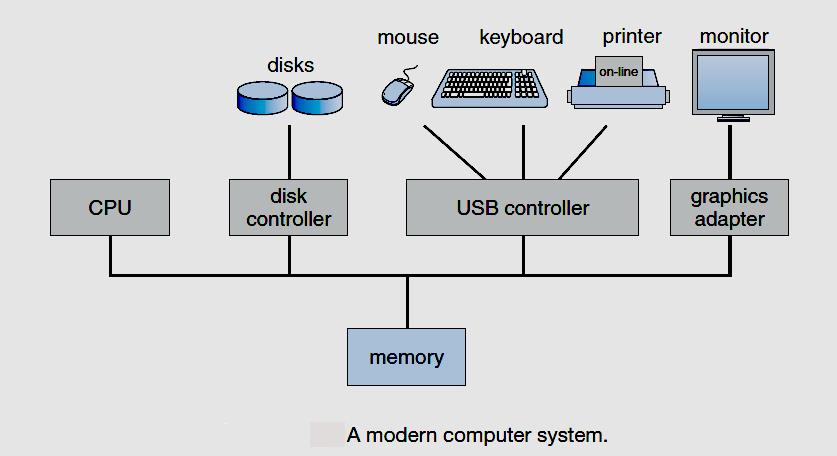
Modern Operating Systems (OS) are the essential software that make computers work. They manage everything your computer does, like running programs and storing files. Imagine the OS as the conductor of an orchestra, coordinating all the musicians (which are your computer's components) to play harmoniously together.
One of the main jobs of an OS is managing your computer's resources. It decides how much memory, processing power, and storage space each program gets, so your computer can run smoothly even when doing multiple things at once. It's like ensuring everyone at a buffet gets enough food without one person taking all the desserts.
Security is another crucial role. The OS keeps your data safe from hackers and malicious software. It does this by controlling who can access your files and programs, and by using encryption to scramble your data so it can't be easily read if intercepted.
The OS also handles communication between you and your computer. It provides a user-friendly interface, like icons and menus, so you can click and tap your way through tasks instead of typing complex commands.
Modern OS are versatile too. They support a wide range of applications, from web browsers to games to office tools, by providing a common platform for developers to create and run software that works seamlessly together.
In essence, modern OS are like the wizards behind the curtain, making sure your computer runs smoothly, keeps your information safe, and lets you interact with it easily. They're the reason why your computer can be more than just a box of parts—it's a tool that enhances your productivity and entertainment.