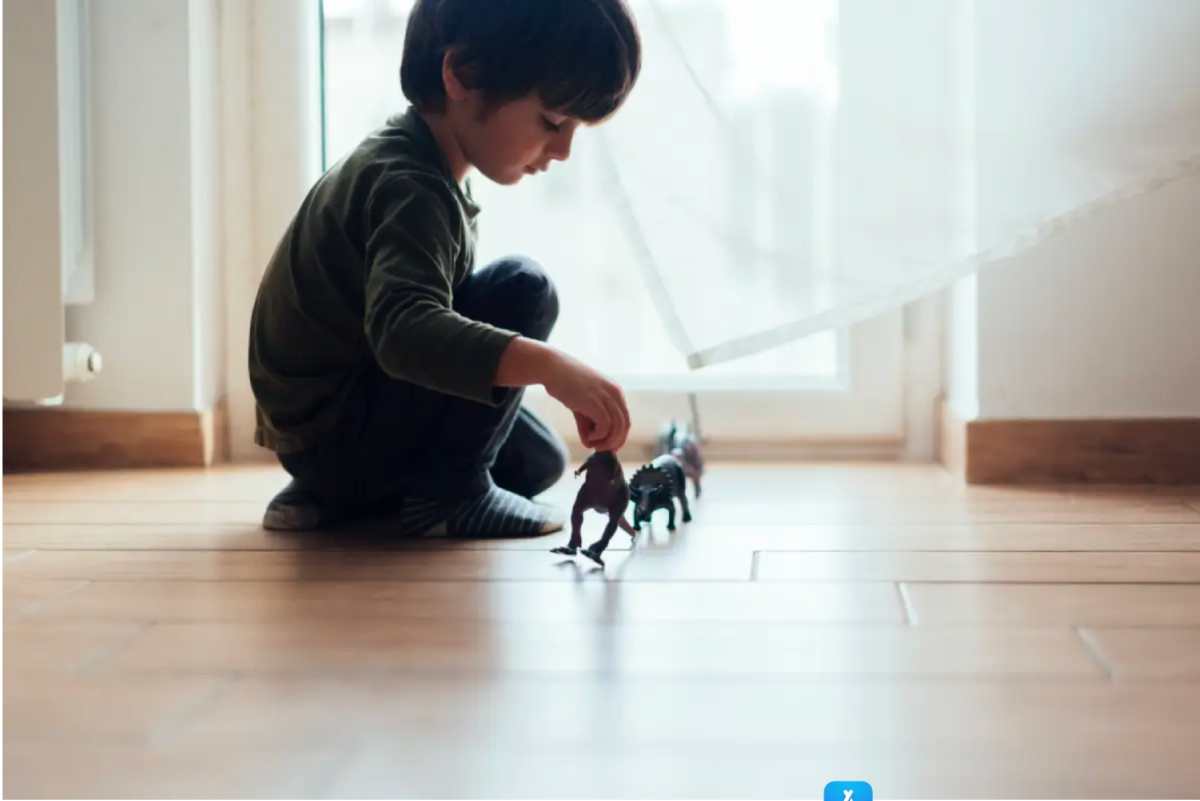
Many people view playing as primarily a social activity; however, it is equally beneficial when done in a solitary environment. Solitary play is one stage when children, through their own initiative, engage in the playing activity with toys, art, or imaginative ideas alone. Solitary play in early childhood development helps the little learners grow emotionally, intellectually, and creatively. At preschool, solitary play is about independence and exploration, not isolation.
Solitary play usually begins in the toddler years and continues as children grow more confident in their own company. A child in this situation will build blocks quite quietly, draw, talk to imaginary characters or friends, or explore textures and sounds all by himself without needing others to join or adult supervision. As simple as it looks, this is a very powerful means for children to learn about themselves and the world around them.
Such independent play promotes concentration, imagination, and decision-making. Children learn to solve small problems themselves, like how to balance blocks or which colour to use. These small choices lay the groundwork for further learning skills and emotional maturity.
1. Building and Construction Toys
Blocks, magnetic tiles, and stackable cups give them an opportunity to try balance, shapes, and patterns. It not only enhances motor skills but also boosts problem-solving and patience.
2. Art and Craft Activities
Activities like colouring, painting, or sticking not only provide a quiet zone for self-expression but also encourage creativity. They learn creativity, focus, and the joy of creating something themselves.
3. Imaginative Play
It simply starts with playing with dolls or cars, like dressing up a doll or playing dashing cars on your own. Additionally, pretending to cook or talking to your favourite Avenger toy to save your surroundings while we are under attack.
4. Puzzle Time
Puzzles nurture logical thinking, visual coordination, and concentration. Children feel a sense of accomplishment and confidence when they finally complete one.
Simple activities like sensory bins of sand, rice, or even water encourage children to explore textures in a fun way. This helps them maintain calmness and enhances sensory awareness.
Without children even realising it, Solitary play helps children build several important life skills:
Parents as well as teachers can create solitary play spaces where toddlers can have an opportunity to explore at their own comfort level. It is best to have a mix of open-ended toys, art supplies, and comfortable corners for reading or building could be provided.
INSIGHT: Toddlers need time to do what they want and stay with it as long as they want. As a spectator, you can gently encourage them without interruption; this will help them stay engaged longer with the task and develop self-direction.
At Elzee Preschool and Daycare, we know that each child learns differently at a different pace. Independent play, hence, constitutes an important part of our learning environment, where children can freely explore and build their own confidence.
We strongly believe that quiet moments of play seldom lead to the biggest leaps in creativity and growth.