Natural Language Processing (NLP): Introduction
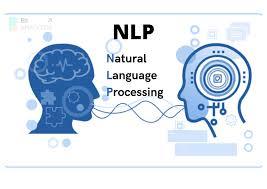
NLP, Artificial Intelligence (AI) ka ek subset hai jo machines ko human language samajhne, interpret karne aur generate karne mein help karta hai. Iska main objective machines ko natural language ke context aur meaning ko samajhne layak banana hai. Ye technology ke help se hum natural languages, jaise Hindi, English, French, etc., ko machines ke samajhne layak banate hain.
NLP ki applications kaafi wide hain aur inka use hum chatbots, virtual assistants, language translation, sentiment analysis, aur content recommendation jaise areas mein karte hain.
Key Techniques of NLP:
Kuch important techniques jo NLP mein use hoti hain:
NLP ke Applications:
1. Sentiment Analysis
Sentiment Analysis ka main focus hota hai text me emotions ya opinions ko detect karna. Iska use social media analysis, customer reviews, aur market research me hota hai. Jaise kisi product ke customer reviews ko dekh kar ye samjha ja sakta hai ki log us product ke baare me positive ya negative feel karte hain. NLP ke algorithms words aur phrases ko analyze karte hain aur unka sentiment detect karte hain.
2. Speech-to-Text Conversion
Speech-to-Text me NLP aur speech recognition techniques ka use hota hai taaki boli gayi baaton ko written form me convert kiya ja sake. Iska use mainly mobile assistants (Siri, Google Assistant) ya automated transcription services me hota hai. Jaise meetings ko record karna aur automatically written transcript banana, ya kisi mobile assistant se bol kar message likhwana.
3. Text Summarization
Lambi text ko short aur meaningful summary me convert karne ke process ko Text Summarization kehte hain. Yeh kaafi useful hota hai jab documents ya articles ka time-efficient summary chahiye ho. Jaise kisi research paper ka 10-page ka article padhne ke bajaye uska ek 1-paragraph summary mil jaye. Iska use news aggregators ya email summarizers me hota hai, jaise Google News jo multiple articles ka short summary deti hai.
4. Content Recommendation
Jab aap Netflix ya YouTube dekhte ho to aapko jo recommendations dikhte hain wo bhi NLP ke through aati hain. Yeh algorithms aapke pichle content ke history ko analyze karke suggest karte hain ki aapko kya pasand aa sakta hai. NLP algorithms text-based data ko analyze karte hain jaise movie ya video ke descriptions aur tags aur aapko recommendations dete hain.
5. Automatic Text Correction
Grammarly jaisi services jo aapki spelling, grammar, aur punctuation errors ko detect karke suggest karte hain, unme NLP ka use hota hai. Yeh tools text ko analyze karke common errors find karte hain aur aapko better sentence suggestions dete hain. Jaise agar aap likhte ho: "He go to the park," Grammarly suggest karega: "He goes to the park."
NLP ke Challenges:
1. Ambiguity
Human language me kai baar ek word ya sentence ka multiple meanings hota hai, jo machine ke liye samajhna difficult ho jaata hai. NLP models ko is ambiguity ko resolve karna padta hai. For example:
- Word "bank" ka meaning river bank bhi ho sakta hai ya financial bank bhi. Machine ke liye context samajhna zaroori hai taaki correct meaning pick ho.
2. Sarcasm
Sarcasm ko detect karna NLP ke liye tough task hota hai, kyunki jo words bolte hain wo unka actual meaning nahi hote. For example:
- "Oh great, another traffic jam!" Yeh sentence positive lagta hai, but actually yeh sarcastic hai, jo machine ke liye difficult hota hai detect karna.
3. Context Understanding
Humans context samajh kar baat karte hain, but machines ko context samajhne me problem hoti hai. Ek same sentence ka meaning context ke basis pe badal sakta hai. Jaise:
- "He is running." Yeh kisi person ke running ka literal meaning bhi ho sakta hai, ya "running a business" ka figurative meaning bhi ho sakta hai. Context samajhna machine ke liye challenging hota hai.
4. Data Availability
NLP models ko train karne ke liye bohot saara data chahiye hota hai. Har language ya domain ke liye itna data available nahi hota, jis wajah se kuch languages ya specific industries ke liye NLP models effective nahi ban paate. Jaise, kuch rare ya regional languages ke liye training data kaafi limited hota hai.
5. Multilingualism
Duniya me hazaron languages aur dialects hain, aur har language ke apne complex rules aur nuances hote hain. Universal NLP models jo har language ke liye accurate kaam karein, develop karna mushkil hai. Har language ka grammar, syntax, aur semantics alag hota hai, jo ek single model me fit karna difficult hai.
NLP Ka Future Kya Hai?
NLP ka future kaafi bright hai, kyunki aaj ke time mein har field mein communication aur interaction kaafi important hai. NLP ki madad se machines aur humans ke beech communication ka gap kaafi kam ho gaya hai. Future mein hum aur advanced NLP models dekhne waale hain jo human language ko aur achi tarah se samajh paayenge, aur humaari life ko aur bhi easy banayenge.
Conclusion:
NLP ek aisi technology hai jo aane wale samay mein aur bhi important ho jayegi. Chaahe wo text-based ho ya speech-based, NLP applications humaari zindagi ko aasaan aur convenient bana rahe hain. Aaj ke digital age mein, jahan data ki bharmaar hai, NLP ka role aur bhi crucial ho jata hai kyunki yeh humare communication aur interaction ko better banata hai. NLP ki madad se, machines aur humans ke beech ka gap kam ho raha hai, aur yeh technology future mein aur bhi advancements layegi jo humein ek smarter aur efficient world ki taraf le jayegi.