Roll No: 33
Class: MScIT (Part 2)
Patkar College, Goregaon (West).
Software piracy has become a worldwide issue with China, the United States, and India being the top three offenders. The
commercial value of pirated software is $19 billion in North America and Western Europe and has reached $27.3 billion in the rest of the world. According to the 2018 Global Software Survey, 37% of software installed on personal computers is unlicensed software. Software piracy doesn’t require a hacker or skilled coder. Any normal person with a computer can become a software pirate if they don’t know about the software laws. With such a widespread impact, it’s important to understand what software piracy is and the dangers it presents.
Software piracy is the act of stealing software that is legally protected. This stealing includes copying, distributing, modifying, or selling the software. Copyright laws were originally put into place so that the people who develop software (programmers, writers, graphic artists, etc.) would get the proper credit and compensation for their work. When software piracy occurs, compensation is stolen from these copyright holders.
This section specializes in numerous efforts which have been made to lessen worldwide software program piracy. Many authorities and non-authorities firms are running at their quality degree to reduce piracy. The Business Software Alliance and Software and Information Industry Association have undertaken two strategies, enforcement, and enactment of laws, and educating people and corporations as to the legal use of valid software program. Criminal enforcement in opposition to commercial users and resellers of illegal software program has expanded the prison software program distribution in most nations. Many researchers have counselled that specific pricing software program techniques on the basis of a rustic’s financial system could be one method to lessen piracy.
When someone downloads pirated software, or downloads a pirated movie or music for that matter, that person becomes vulnerable. This is because of the fact that the pirated content does not come directly from the creator instead it comes from a third party and it might occur that the third party may include some additions of his own and this addition in most cases is a malware. A malware is malicious computer software such as a virus that the user does not know about or want and is designed to damage how a computer or computer network works. Thus by downloading pirated content the uses is made vulnerable by his/her own actions. A study has confirmed the fact and has stated that there is direct proportionality between visiting a pirated site/downloading pirated content and malware infection in the computer system.
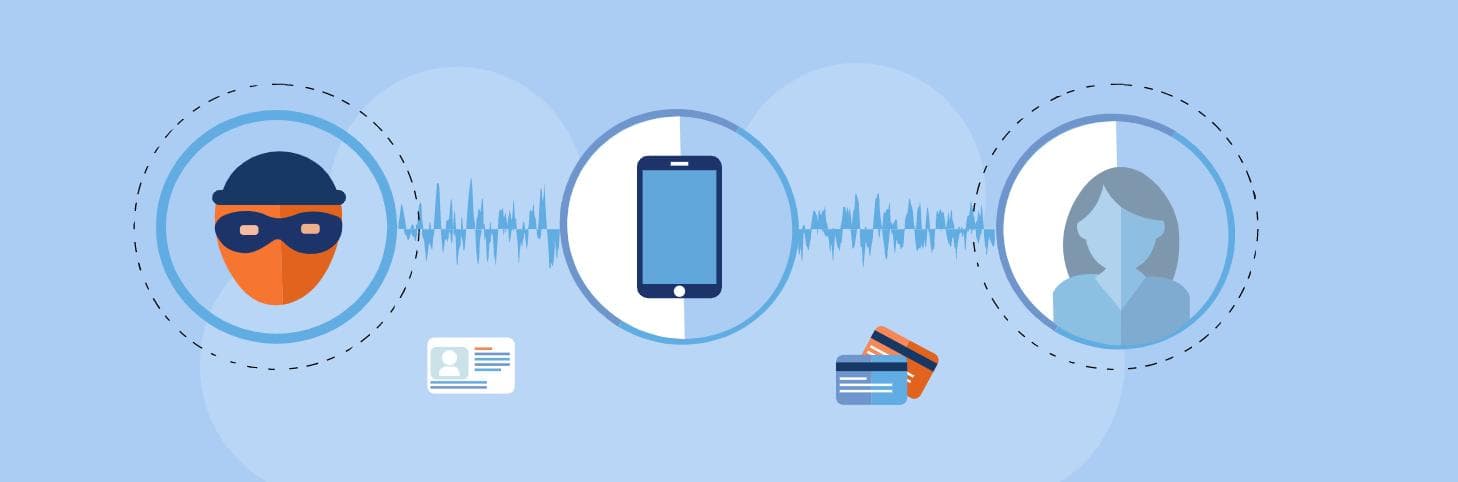
Software piracy may be tempting to those who are not familiar with the risks. But far from being an innocent, victimless crime, software piracy exposes users to unacceptable levels of cyber-security risk, including the threat of costly identity theft. It also undermines the value of intellectual property, which is one of the key drivers of innovation and the way millions of people earn a living. In today’s increasingly interconnected global economy, the Internet has opened incredible new frontiers for communicating, shopping, learning, and simply having fun. At the same time, the Internet’s global reach, anonymity, and speed can be used for harmful purposes as well as benign ones. As long as the Internet remains a central front in the war on software piracy and related crimes, Business Software Alliance will continue to raise awareness of the problem and focus its resources on pushing back the enemy.