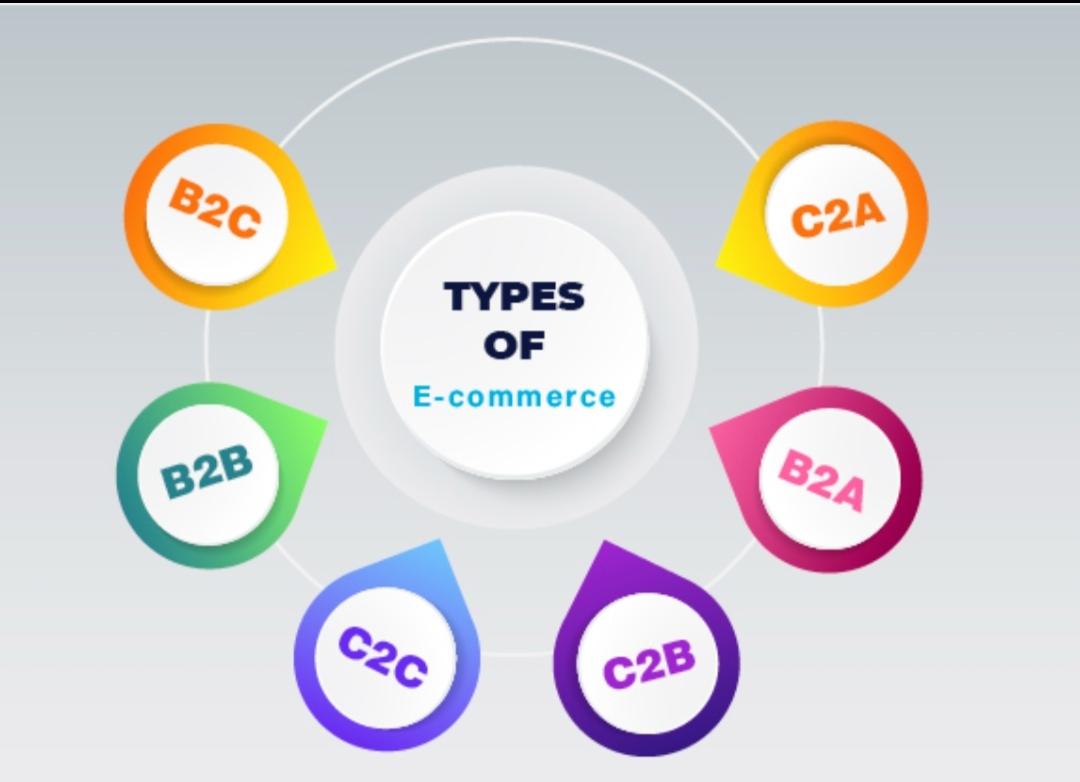
- Business-to-business (B2B) e-commerce refers to the electronic exchange of products, services or information between businesses rather than between businesses and consumers. Examples include online directories and product and supply exchange websites that let businesses search for products, services and information and initiate transactions through e-procurement interfaces.
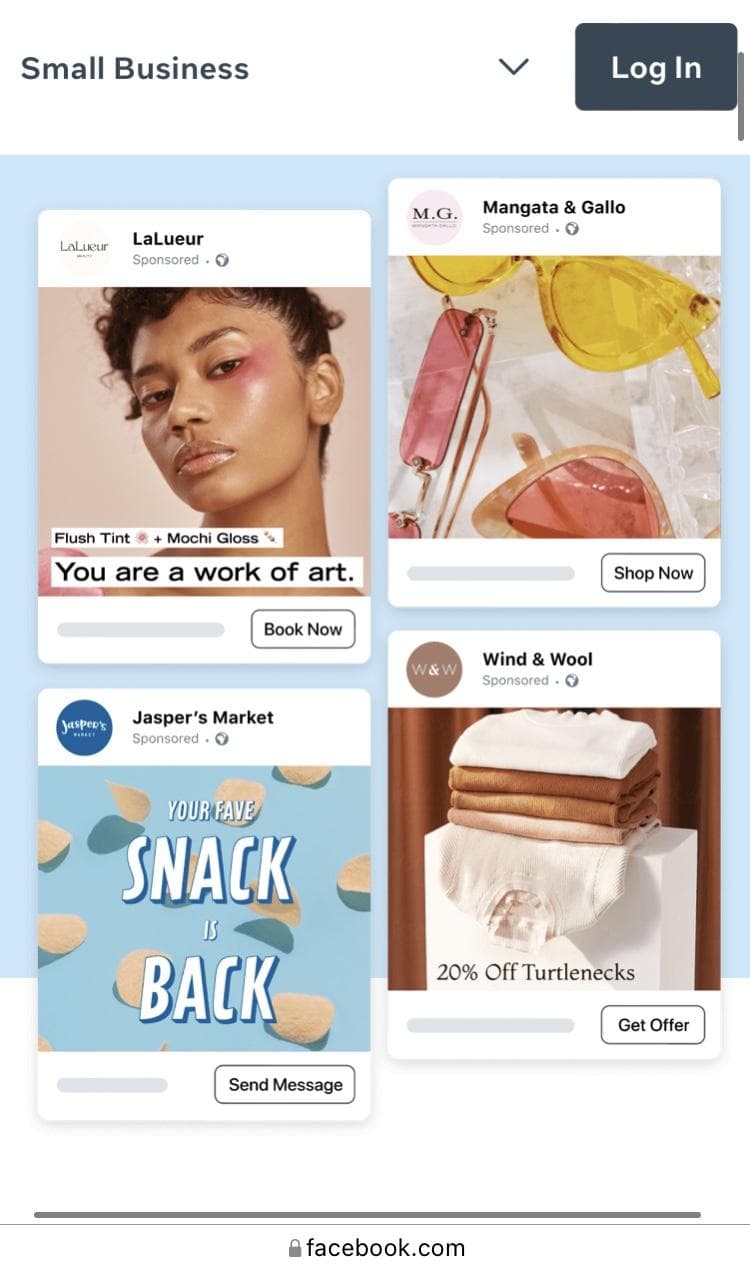
- Business-to-consumer (B2C) is the retail part of e-commerce on the internet. It is when businesses sell products, services or information directly to consumers. The term was popular during the dot-com boom of the late 1990s, when online retailers and sellers of goods were a novelty.Today, there are innumerable virtual stores and malls on the internet selling all types of consumer goods. Amazon is the most recognized example of these sites. It dominates the B2C market.
- Consumer-to-consumer (C2C) is a type of e-commerce in which consumers trade products, services and information with each other online. These transactions are generally conducted through a third party that provides an online platform on which the transactions are carried out.Online auctions and classified advertisements are two examples of C2C platforms. EBay and Craigslist are two well-known examples of these platforms. Because eBay is a business, this form of e-commerce could also be called C2B2C -- consumer-to-business-to-consumer. Platforms like Facebook marketplace and Depop -- a fashion reselling platform -- also enable C2C transactions.
- Consumer-to-business (C2B) is a type of e-commerce in which consumers make their products and services available online for companies to bid on and purchase. This is the opposite of the traditional commerce model of B2C.A popular example of a C2B platform is a market that sells royalty-free photographs, images, media and design elements, such as iStock. Another example would be a job board.
- Business-to-administration (B2A) refers to transactions conducted online between companies and public administration or government bodies. Many branches of government are dependent on various types of e-services or products. These products and services often pertain to legal documents, registers, social security, fiscal data and employment. Businesses can supply these electronically. B2A services have grown considerably in recent years as investments have been made in e-government capabilities.
- Consumer-to-administration (C2A) refers to transactions conducted online between consumers and public administration or government bodies.
- Advantages and disadvantages of e-commerce
Benefits of e-commerce include its around-the-clock availability, the speed of access, the wide availability of goods and services, easy accessibility and international reach.
- Availability.
- Speed of access.
- Wide availability.
- Easy accessibility.
- Lower cost.
The perceived disadvantages of e-commerce include sometimes limited customer service, consumers not being able to see or touch a product prior to purchase and the wait time for product shipping.
- Limited customer service.
- Limited product experience.
- products.
- Security.