In our rapidly evolving digital landscape, the importance of information security has never been greater. While advancements in technology fortify our defenses, malicious actors exploit the human element through sophisticated techniques known as social engineering attacks. These attacks leverage psychological manipulation and human behavior to breach security systems, compromise sensitive data, and undermine trust. This article delves into the realm of social engineering attacks, exploring their types, techniques, consequences, and countermeasures.
As technology becomes more complex, attackers shift their focus to exploiting human vulnerabilities. Social engineering attacks capitalize on the innate human tendency to trust and cooperate. This underscores the need for a multidimensional approach to cybersecurity—one that integrates technological safeguards with awareness, education, and vigilance.
There are several types of social engineering attacks including baiting, pretexting, phishing, whaling, quid pro quo and tailgating/piggybacking.
1. Phishing
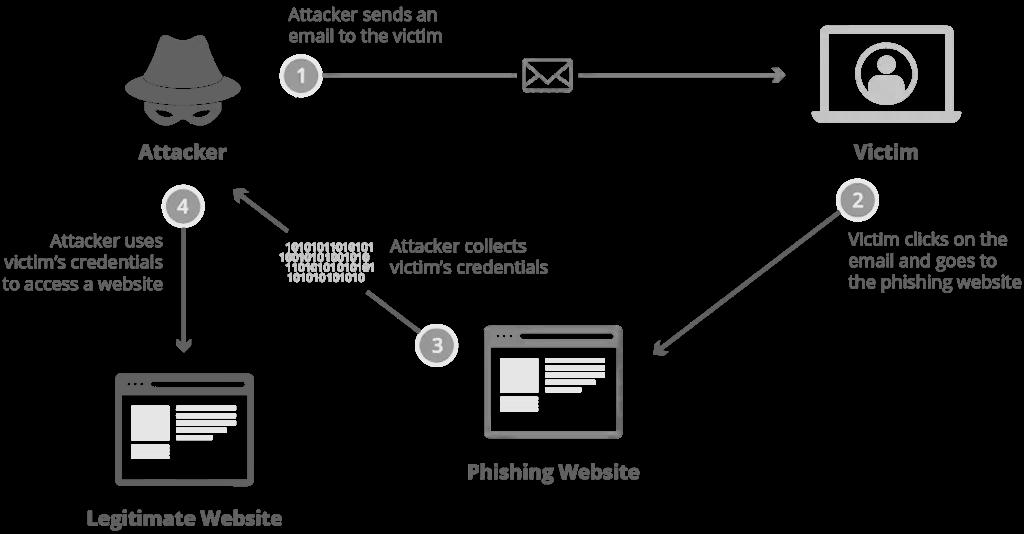
Phishing is the most prevalent social engineering attack, involving fraudulent emails, messages, or websites designed to appear legitimate. Attackers prompt recipients to click on malicious links or provide sensitive information, compromising security.
2. Pretexting
Pretexting involves creating fabricated scenarios to manipulate targets into divulging information or performing actions they would not under normal circumstances. Attackers often impersonate authority figures or trusted entities to gain the victim's confidence.
3. Baiting
Baiting entices victims with something appealing, such as a free software download, to encourage them to perform actions that lead to security breaches. This can include unknowingly installing malware or disclosing credentials.
4. Tailgating
Tailgating exploits physical security vulnerabilities by gaining unauthorized access to a restricted area by following an authorized person. Attackers take advantage of people's natural inclination to be helpful.
5. Quid Pro Quo
Quid pro quo attacks involve offering a benefit or service in exchange for sensitive information. Attackers often pose as technical support personnel, promising assistance in return for login credentials or other confidential data.
These attacks have profound consequences that extend beyond financial losses. Data breaches expose confidential information, eroding privacy and trust. Reputational damage tarnishes the image of individuals and organizations. Identity theft wreaks havoc on victims' personal and financial lives. Disruption of operations leads to downtime and lost opportunities. Moreover, successful attacks result in psychological distress, affecting mental well-being.
Countermeasures against social engineering attacks encompass a multi-pronged approach
Most Well Known Attacks Example
1. The "Nigerian Prince" Scam
This notorious scam involved sending emails claiming a large sum of money could be obtained by assisting a Nigerian royal. Victims were manipulated into providing personal information or sending money to cover "fees."
2. The Target Data Breach
Attackers exploited a third-party HVAC vendor's compromised credentials to gain access to Target's network. This breach led to the theft of over 40 million credit card numbers and personal information.
In the age of relentless cyber threats, social engineering attacks remain a persistent challenge. By understanding their intricacies and adopting proactive strategies, individuals and organizations can fortify their defenses. Vigilance, education, and a culture of security awareness are our strongest allies in thwarting the psychological manipulations that fuel social engineering attacks.