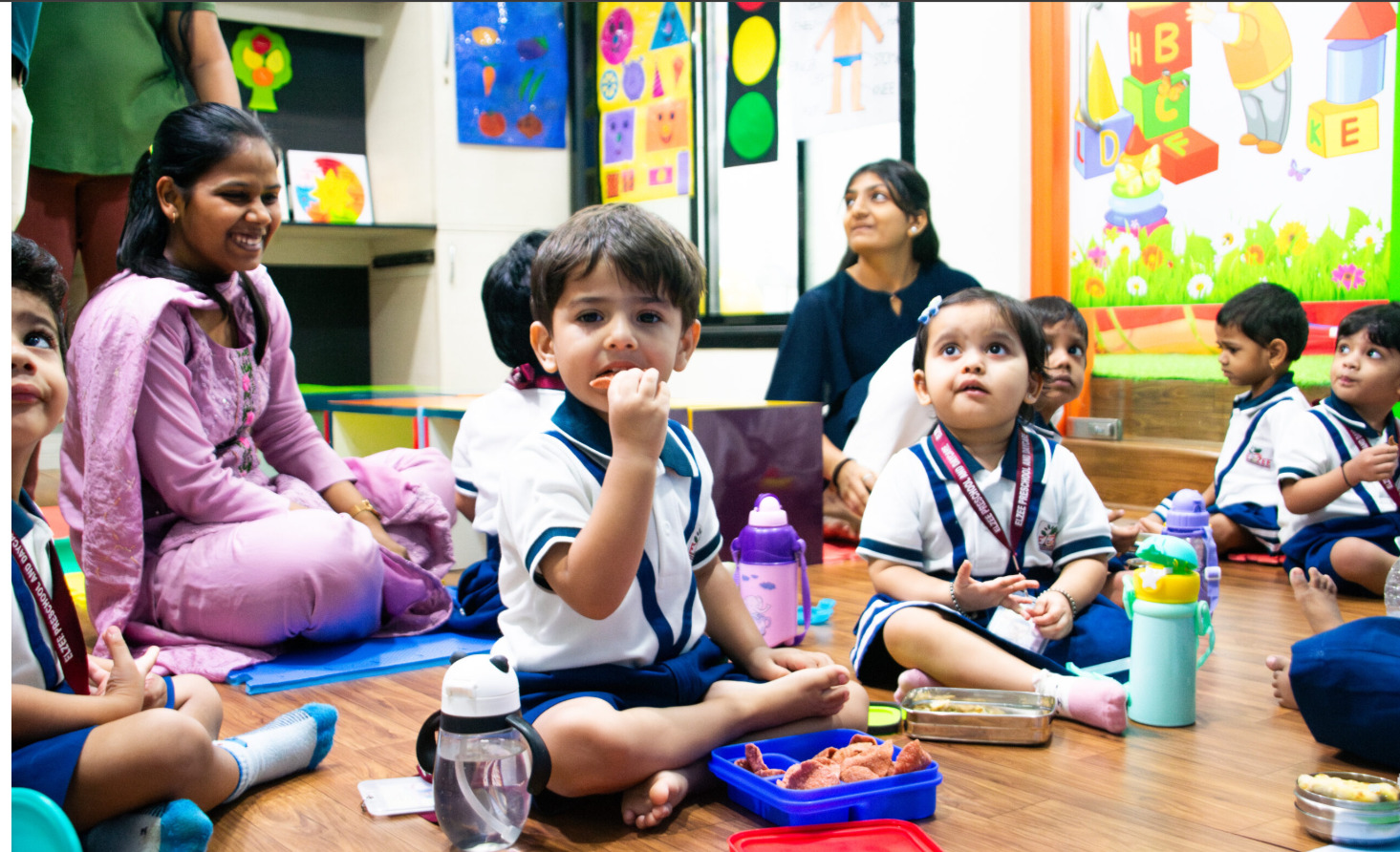
You go through the trouble of packing a nutritious and colourful lunch box for your child, only to find it left untouched at home. If you have experienced such an incident, you should know that many other parents deal with picky eaters among preschoolers.
It is a well-known fact that fussy eating is quite a common behaviour exhibited by young children. In fact, they do so as a part of their growing independence and individuality.
Picky eating behaviour is quite common, and in some cases, it is a natural phenomenon. During this age, children can be:
a. Highly selective about tastes, textures, or smells
b. favouring old foods over new ones
c. Expressing themselves independently through food selections
d. Less interested in food because of excitement or diversions
According to specialists, toddlers and pre-schoolers usually have stages when they are willing to eat only certain types of foods, causing parents undue concern.
If your kid does not eat at school, there are many other factors apart from the food that could be influencing their behaviour. They are:
a. New environment/separation anxiety
b. Distraction due to other kids or activities
c. Lack of adequate time for eating
d. Pressure to consume the food completely
e. Preferring to eat at home
It is interesting to note that children behave differently when it comes to their eating habits at school as opposed to at home.
1. Don’t Force or Pressure Your Child
Feeding a child forcefully may associate eating with unpleasantness. This action usually results in increased defiance rather than any improvement. A relaxed atmosphere is more effective in the long term.
2. Include One “Safe Food” in Every Lunchbox
Make sure there is always something that your kid likes in your bag. This will ensure that he eats something no matter what and feels safe.
3. Keep Portions Small and Appealing
The larger portion size may seem intimidating to kids. It is best to start by serving smaller portions. Food should be served in an interesting way using attractive colours.
4. Be Patient with New Foods
Children need to be repeatedly exposed to new foods to learn to like them, and it may take more than 10 exposures.
5. Involve Your Child in Food Choices
Allow your kids to choose or help prepare their lunches. Kids will enjoy what they have had a part in selecting or preparing.
Avoid making these common errors:
a. Do not use food as a bribe
b. Do not call your child a picky eater
c. Do not substitute healthy meals for unhealthy snacks
d. Do not make meals a source of conflict
Putting pressure on the child during mealtimes could worsen the situation.
Most picky eating is temporary and improves with time. However, you may want to consult a paediatrician if:
a. Your child is losing weight
b. Eats extremely limited foods
c. Shows signs of nutritional deficiency
d. Avoids entire food groups consistently
In most cases, children grow out of picky eating as they become more comfortable and open to trying new things.It takes patience and consistency for parents and teachers to deal with the fussy eaters in preschool-age children because when they receive encouragement and support, they will eventually become more accepting of trying new things and eating healthily. Nurturing preschool-age children is one important way for them to develop and grow, as demonstrated by Elzee Preschool and Daycare. Building the confidence of preschool-aged children to try new things also involves their eating behaviours and the development of eating patterns. It is more understandable for parents if they visit a build confidence building activities for the new school year to know how pre-schoolers will be more accepting of trying out different types of food.