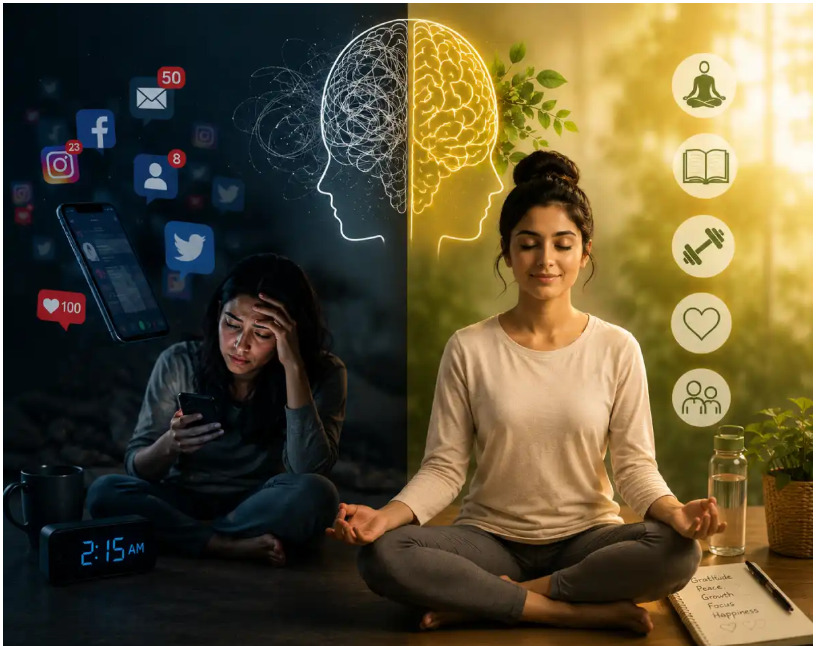
Digital technology has become deeply integrated into everyday life, influencing how individuals communicate, work, learn, socialise, and manage emotions. Smartphones, social media platforms, digital entertainment online communication, artificial intelligence intelligence, and remote working systems have transformed modern living in unprecedented ways. While these technological advancements have created convenience and global connectivity they have also introduced significant psychological and emotional challenges that increasingly affect mental health and overall well being.
In today’s digital era individuals spend substantial amounts of time in virtual environments often attempting to balance online responsibilities with real-life relationships and emotional needs. The rapid expansion of digital innovation has altered patterns of human interaction, emotional regulation, attention, and social behaviour.
Understanding digital life
Digital life refers to the interaction between individuals and technology-based platforms in their daily lives.
It includes:
These platforms have increased accessibility to information and communication but they have also reshaped emotional experiences, social interaction patterns, coping mechanisms, and behavioural habits.
Positive Psychological Impact of Digital Life
When used mindfully and in moderation, digital platforms can contribute positively to emotional and psychological well-being.
Negative Psychological Impact of Digital Life
Despite its advantages, excessive or unhealthy digital engagement can negatively influence emotional and mental health.
1. Digital Burnout
The pressure to remain constantly available online and continuously connected can contribute to emotional exhaustion, reduced motivation, stress, and burnout.
2. Social Media Comparison
Continuous exposure to idealised lifestyles, achievements, and unrealistic beauty standards can result in:
Individuals often compare their real lives to carefully curated online portrayals.
3. Digital Addiction and Emotional Dependency
Excessive smartphone usage, gaming, or social media engagement can create compulsive behavioural patterns and emotional dependency, negatively affecting concentration, relationships, productivity, and emotional regulation.
4. Sleep Disturbances and Emotional Dysregulation
Excessive smartphone usage, gaming, or social media engagement can create compulsive behavioural patterns and emotional dependency, negatively affecting concentration, relationships, productivity, and emotional regulation.
5. Cyberbullying and Online Harassment
Cyberbullying, trolling, social rejection, scams, and online harassment can significantly impact self-worth, particularly among adolescents and young adults.
6. Emotional Suppression and Social Isolation
Although digital platforms create virtual connection, many individuals continue to experience emotional loneliness and reduced face-to-face interaction. Some individuals use digital distractions to avoid confronting difficult emotions or unresolved stress.
Children and adolescents are particularly vulnerable, as excessive digital dependency may interfere with emotional development, social skills, and identity formation.
7. Maintaining Healthy Digital Balance
Digital well-being does not require complete avoidance of technology: rather, it involves developing healthier and more mindful relationships with digital platforms.
Healthy Digital Practices Include:
Developing balanced digital habits can significantly improve emotional stability, mantal clarity, and overall psychological well-being.
The Role of Psychological Support in the Digital Age
Many individuals silently struggle with digital stress, emotional exhaustion, anxiety, loneliness, or technology-related burnout. Professional psychological support can help individuals understand these experiences and develop healthier coping strategies.
Services such as Imperfect Psychotherapy Services provide a safe, supportive, and non-judgmental environment for individuals navigating the emotional impact of digital life. Through professional counselling and evidence-based therapeutic approaches, individuals can:
Imperfect Psychotherapy Services encourages individuals to recognize that emotional well-being is essential in the digital era and that seeking support is a healthy and empowering step toward psychological balance and personal growth.
Conclusion
Digital life has transformed modern society by increasing connectivity, accessibility, and convenience. However, excessive digital engagement and unhealthy online habits can significantly impact emotional and psychological well-being.
Maintaining mental health in the digital age requires awareness, healthy boundaries, emotional balance, and supportive environments. Families, schools, workplaces, and mental health professionals all play a crucial role in helping individuals develop healthier relationships with technology.
Through mindful digital practices, increased awareness, and professional support systems such as Imperfect Psychotherapy Services, individuals can learn to navigate the digital world in ways that promote resilience, self-awareness, psychological well-being, and healthier human connection.