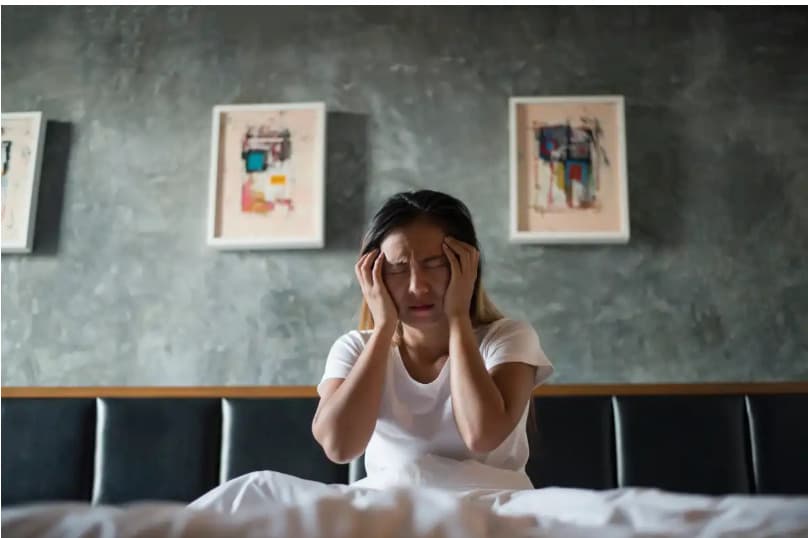
Receiving a new medical diagnosis – especially one that is serious or unexpected – can feel deeply unsettling. It may bring a mix of emotions such as shock, anxiety, denial, sadness, anger, or confusion. These reactions are commonly observed and can be understood as part of the mind’s natural adjustment process.
Coping in this context does not necessarily mean feeling better immediately. Rather, it involves gradually finding ways to move through the experience, often with the support of trusted individuals, personal belief systems, or mental health professionals.
As described in the Kubler-Ross Model, early reactions like shock and denial may serve as protective responses, allowing individuals to process difficult information at a manageable pace.
Some experiences may continue or intensify over time and may benefit from attention:
These responses are not uncommon. Addressing them early may help prevent further emotional strain and support overall well-being.
It may be helpful to allow space for emotional responses as they arise. Recognising these feelings can support psychological adjustment over time, rather than suppressing them, which may increase distress.
At the same time, gently moving toward decision- making – especially regarding treatment – especially regarding treatment, can be beneficial, as delays may affect timely care. Sharing the diagnosis with a trusted individual might also reduce emotional strain, as keeping such information private can sometimes increase feelings of isolation for both the individual and caregivers.
A diagnosis can sometimes disrupt expectations about the future, including personal, professional or family- related plans. This adjustment period may feel uncertain. Focusing on small, manageable steps – such as identifying appropriate medical care, maintaining communication with supportive individuals, and establishing a simple daily routine – can provide a sense of stability.
While others may share their experiences or advice, It may be useful to consider that each condition and individual experience can vary. Choosing what feels relevant may help avoid unnecessary confusion or comparison.
These small actions may offer a sense of routine and control during an otherwise uncertain time.
Medical diagnosis can alter certain aspects of life, sometimes in unexpected ways. While it may introduce challenges, some individuals also report shifts in perspective- Such as greater clarity about priorities, strengthened relationships, or openness to new directions.
This perspective does not minimise the difficulty of the experience. Instead, it acknowledges that alongside challenges, there may also be opportunities for adaptation and personal growth over time.