
Predictive analysis
Predictive analysis ka matlab hota hai future events ka prediction karna, past aur present data ke basis par. Is process mein historical data ko analyze karke trends aur patterns ko identify kiya jata hai, jo future outcomes ka estimation karne mein help karte hain. Predictive analysis machine learning, data mining, statistical algorithms, aur AI (Artificial Intelligence) ka use karta hai taaki accurate prediction di jaa sake.
Predictive Analysis kaise kaam karta hai?
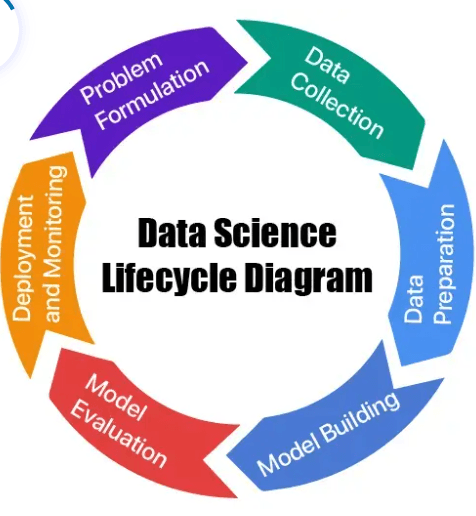
1. Data Collection: Sabse pehle relevant data collect kiya jata hai jo prediction ke liye zaroori hota hai. Yeh data historical ho sakta hai jaise sales records, sensor data, website clicks, ya phir customer feedback. Data ka source kuch bhi ho sakta hai, par data jitna accurate aur relevant hoga, prediction utni hi behtar hogi.
2. Data Preprocessing: Data ko clean aur prepare kiya jata hai analysis ke liye. Yeh step important hota hai kyunki raw data mein noise, missing values, aur irrelevant information ho sakti hai. Data cleaning techniques jaise normalization, transformation, aur missing value treatment use ki jaati hain.
3. Exploratory Data Analysis (EDA): Is step mein data ko explore kiya jata hai taaki important patterns aur relationships ko identify kiya ja sake. Data visualization techniques jaise histograms, scatter plots, aur heatmaps ka use karke data ke trend samjhe jaate hain.
4. Feature Selection/Engineering: Data ke woh attributes jo prediction mein madad kar sakte hain, unhe select kiya jata hai (feature selection). Kabhi-kabhi naye features bhi banaye jate hain existing features ko modify karke (feature engineering), taaki model ki accuracy improve ho sake.
5. Model Selection aur Training: Predictive analysis ke liye statistical models ya machine learning algorithms select kiye jate hain, jaise linear regression, decision trees, neural networks, etc. Model ko train kiya jata hai taaki yeh data ke patterns ko samajh sake aur unhe predict kar sake.
6. Prediction/Aur Implementation: Jab model satisfactory results deta hai, toh usse real-world data pe apply kiya jata hai. Prediction result ko decision making ke liye use kiya ja sakta hai jaise sales forecast karna, disease ka risk predict karna, ya recommendation engine mein use karna.
Models of Predictive Analysis:
Predictive analysis ke liye different models use kiye jaate hain, jaise regression models, decision trees, aur neural networks. Har model ki apni khubi aur limitation hoti hai, aur inhe specific scenarios ke liye choose kiya jaata hai.
a. Regression Models:
Regression models simple statistical methods hain jo relationship ko measure karte hain ek dependent variable (jo predict karna hai) aur ek ya zyada independent variables (jo influence karte hain) ke beech. Yeh models linear relationships ke liye kaafi effective hote hain. Example: Sales predict karna based on marketing spend.
b. Decision Trees:
Decision trees ek tree-like structure follow karte hain jaha har node ek decision point hota hai aur branches possible outcomes represent karte hain. Yeh models complex decision-making processes ko simplify karte hain aur easily interpretable hote hain. Example: Customer segment classify karna based on purchase behavior.
c. Neural Networks:
Neural networks complex models hote hain jo human brain ke functioning ko mimic karte hain. In models me multiple layers of neurons (processing units) hote hain jo input data se features extract karte hain aur complex patterns ko recognize karte hain. Yeh deep learning ka core hissa hain aur unstructured data (jaise images, audio) ke liye effective hote hain. Example: Image recognition me face detect karna.
Predictive Analysis ki Limitations:
1. Data Quality Dependence: Agar data accurate aur clean nahi hoga, toh prediction bhi reliable nahi hogi.
2. Model Complexity: Kuch models samajhne aur implement karne mein complex ho sakte hain.
3. Overfitting ka Issue: Kabhi kabhi model training data ke patterns ko itna closely follow karta hai ki generalize nahi kar paata, jise overfitting kehte hain.
Predictive Analysis ka use kaha hota hai?
1. Healthcare: Predictive analysis ka use disease prediction aur patient outcomes ke estimation mein hota hai. Historical medical records ko analyze karke risk factors identify kiye jate hain aur timely intervention possible hota hai.
2. Finance: Fraud detection aur credit risk assessment mein predictive models ka use hota hai. Historical transaction data ko analyze karke suspicious activities ko identify kiya ja sakta hai.
3. Marketing: Predictive analysis ka use customer behavior aur buying patterns ko samajhne ke liye hota hai, taaki targeted marketing campaigns banayi ja sakein aur customer retention improve ho sake.
4. Sports: Players ki performance aur match outcomes ko predict karne ke liye bhi predictive analysis ka use hota hai.