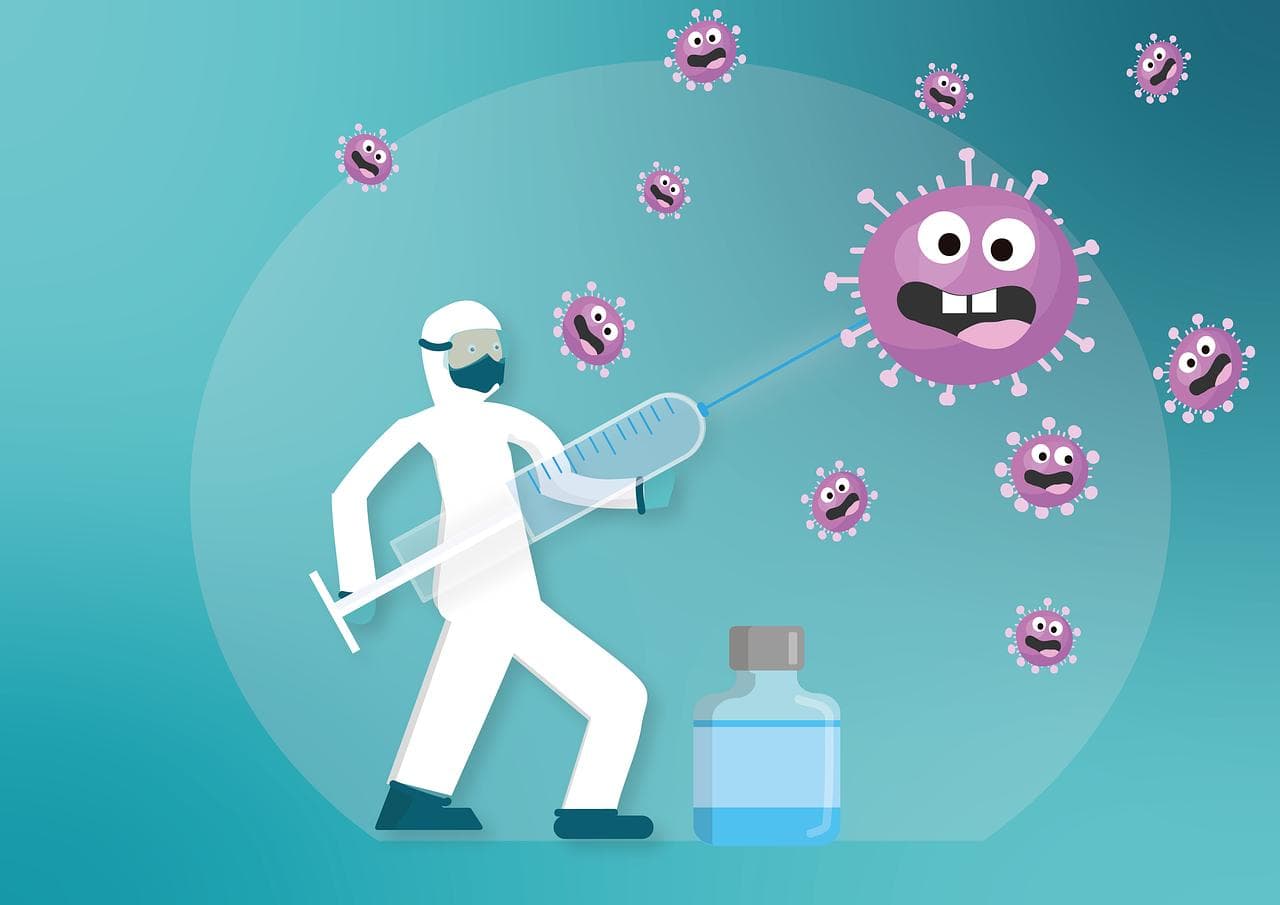
Virus is a type of computer program that, when executed, replicates itself by modifying other computer programs and inserting its own code. If this replication succeeds, the affected areas are then said to be "infected".
Some of the examples that viruses effect the computers: it can steal data or passwords, log keystrokes, spam your email contacts, corrupt files, erase data, cause permanent damage to the hard disk, and sometimes can even take over your device control.
viruses aim to disrupt systems, cause major operational issues, and result in data loss and leakage. A key thing to know about viruses is that they are designed to spread across programs and systems. Viruses typically attach to an executable host file, which results in their viral codes executing when a file is opened. The code then spreads from the document or software it is attached to via networks, drives, file-sharing programs, or infected email attachments.
Some types of virus are:
Boot Sector Virus.
Overwrite Virus.
Direct Action Virus.
Web Scripting Virus.
Polymorphic Virus.
Directory Virus.
Macro Virus.
Memory Resident Virus.
Among these viruses are Trojans, malware, adware, and worms, etc.