The idea of taking tests has been around forever, but with such an intense and competitive pace of life today, more and more students are stressed out about their exams. Unfortunately, many children feel anxious, afraid they will fail, cannot sleep well, and lose their self-esteem while taking their exams. While using tests to assess student learning is a great idea, the pressure on students from testing can have a negative effect on children’s emotional growth and school success. Schools have an opportunity to create an educational environment for all students to thrive in by ensuring that they support students during the stressful times associated with exams and use student-centred strategies to reduce feelings of stress during this time.
1. Creating a Positive Learning Environment
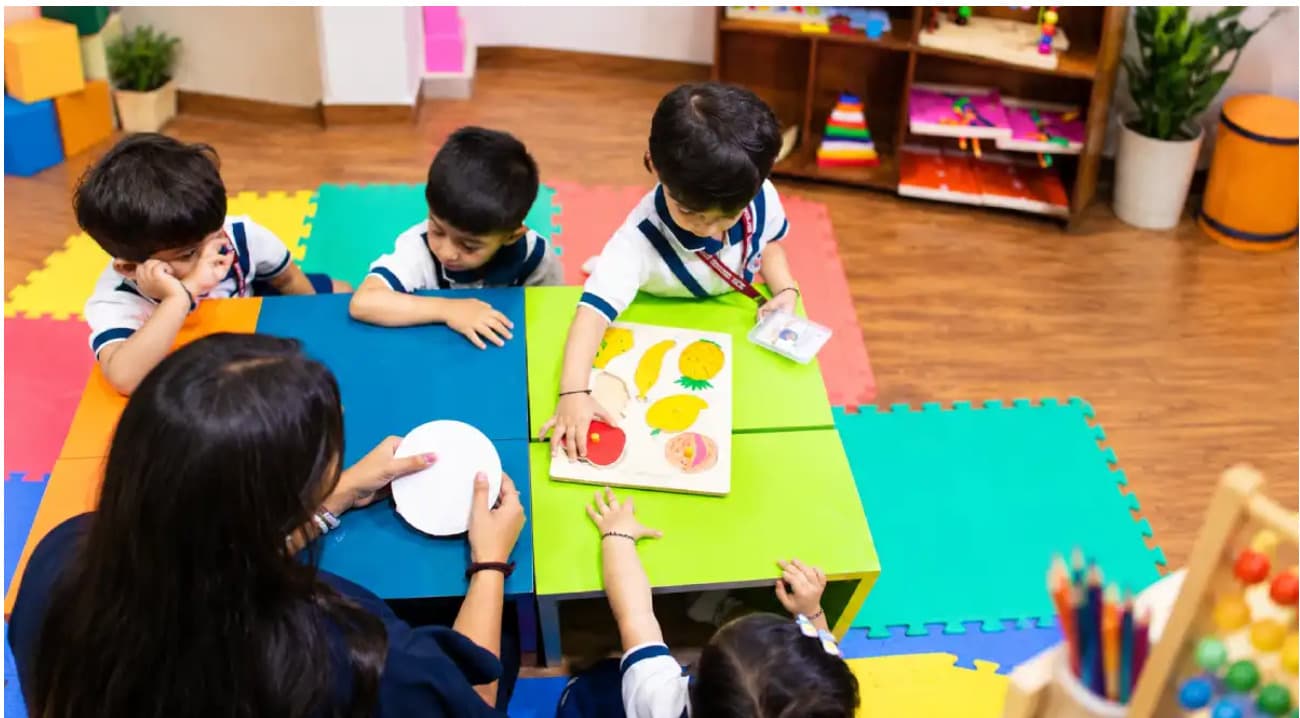
A positive and nurturing classroom environment greatly influences the attitude that students have about tests. When schools depict learning as a continuous experience rather than a competing sport for marks, there is less pressure on kids to perform well and more motivation for them to continue growing. Creating a climate that fosters curiosity and understanding, coupled with hard work instead of only grades, helps to provide an environment where children feel comfortable and feel that they can do well in school.
2. Teaching Time Management & Study Skills
One of the major reasons students experience exam-related stress is due to their poor preparation techniques, rather than being related to the actual exams themselves. Schools have an important role to play in assisting students by providing them with specific skills required to effectively prepare for exams, such as: Study Planning, Time Management, Note Making, Revision Strategy and Goal Setting. If students can become organised with respect to their studying and are able to effectively prepare for their exams, then they will become more confident, have greater control over their ability to complete the exams, and will be much less likely to feel anxious during exam time.
3. Prioritising Emotional Well-Being
There are many things schools can do to support students emotionally, including offering wellness sessions and counselling, encouraging students to talk about their concerns, creating a safe environment for students to express how they feel, and teaching students mindfulness and relaxation techniques to help reduce feelings of stress. By feeling safe and having emotional support, students will be able to maintain their focus on schoolwork while being calm and self-assured about how well they will perform.
4. Supportive Teaching Methods
Teachers play an essential role in how students view exams and testing. When teachers give students constructive feedback, create an atmosphere where study is more important than moving through the material quickly, as well as help those students reduce their anxiety levels through those means, students will feel less anxious about taking exams and testing. When teachers were able to provide explanations of concepts clearly, offer regular revision classes, and provide students with an informal practice exam, the students would look at taking an exam as a way to show what they had learned, instead of being afraid of taking an exam.
5. Balanced Assessment Practices
By using an array of different assessments in addition to the conventional testing approach, schools can lessen the amount of pressure that is placed on students. Some examples of how this could be done include: project-based learning, continuous evaluations, open-book assessments, oral presentations, and practical assessments. When students are evaluated to see how they perform over time on various forms of assessment as opposed to one single form of assessment, they experience less anxiety and gain a greater grasp of what they have learned in a more meaningful manner.
A supportive learning environment can give children the self-confidence to take tests as opposed to fear. Schools that support student-centred approaches and create supportive learning environments, such as the Shri Harshad C. Valia International School’s model for creating an infrastructure of support, encourage a balanced academic environment in which growth is valued more than pressure. Nurturing learning environments are created with a combination of high-quality education facilities, high-quality teaching methods and the resources provided by the Infrastructural facilities the school provides.