wisemonkeys logo
FeedNotificationProfileManage Forms
FeedNotificationSearchSign in
wisemonkeys logo

Blogs

Evolution of operating systems

profile
Astha Shetty
Jul 11, 2023
0 Likes
0 Discussions
31 Reads

Operating systems have evolved significantly over time. Here's a brief overview of their evolution:

1. Batch Processing Systems (1950s-1960s): These early operating systems managed jobs submitted in batches, with little interactivity.

2. Time-Sharing Systems (1960s-1970s): Time-sharing systems allowed multiple users to access a computer simultaneously, offering interactive computing experiences.

3. Single-User, Single-Task Systems (1970s-1980s): These systems, like MS-DOS, supported only one user and executed one task at a time.

4. Multi-User, Multi-Tasking Systems (1980s-1990s): With the advent of graphical user interfaces, operating systems like Unix, Windows, and Mac OS allowed multiple users to run multiple tasks concurrently.

5. Networked Systems (1990s-2000s): Operating systems became optimized for networking, enabling file sharing, internet connectivity, and client-server architectures.

6. Mobile and Embedded Systems (2000s-present): The rise of smartphones and other embedded devices led to operating systems like Android and iOS, tailored for mobile and resource-constrained environments.

7. Cloud-Based Systems (2010s-present): Operating systems evolved to support cloud computing, with virtualization, containerization, and distributed computing capabilities.

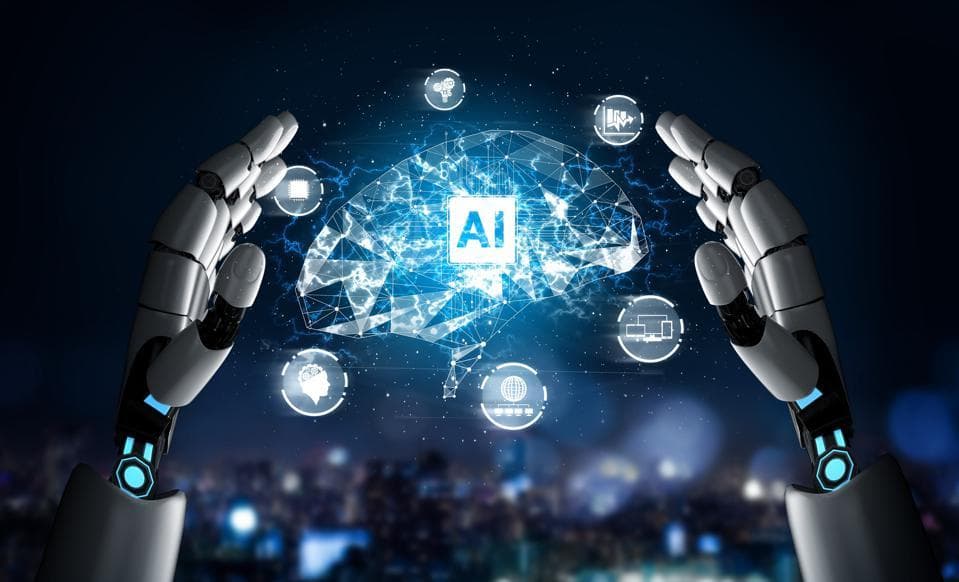
8. AI-Driven Systems (present-future): AI technologies are increasingly integrated into operating systems, enabling features like voice recognition, predictive analytics, and intelligent automation.

Operating systems continue to evolve, adapting to new technologies, security requirements, and user needs.


Comments ()


Sign in

Read Next

Dancing Classes In Mumbai

Blog banner

What is Amazon?

Blog banner

Palm Vein Biometric Technology; Contactless vein authentication

Blog banner

Cloud Security: Trends and Innovations

Blog banner

HUBSPOT

Blog banner

How To Invest in Indian Stock Market For Beginners. ~ Tutorial 2 (NSDL And CSDL) Continued...

Blog banner

Define Instagram.

Blog banner

The “High” of ‘likes’, ‘follows’, and ‘views’ – and how I decided to respond to them myself.

Blog banner

How to manage in BEST bus in mumbai specially PEAK Time!

Blog banner

Technical SEO : Total Guide

Blog banner

Constrains in service design

Blog banner

CONCURRENCY: MUTUAL EXCLUSION AND SYNCHRONIZATION-het karia

Blog banner

Booting Process In Operating System

Blog banner

Raid

Blog banner

USPS mail

Blog banner

KPMG (Klynveld Peat Marwick Goerdeler)

Blog banner

My Favorite Country

Blog banner

Memory Management of Operating System(OS)

Blog banner

Human factor, a critical weak point in the information security of an organization’s IOT

Blog banner

Os(Computer security threats)

Blog banner

Memory management

Blog banner

MIDDLE CLASS MELODIES!!

Blog banner

What are NFT s?

Blog banner

MEMORY MANAGEMENT

Blog banner

A-B-C of Networking: Part-3 (Topology [Ring, Tree, Mesh])

Blog banner

Virtual memory

Blog banner

Incident management in ITSM

Blog banner

Starvation

Blog banner

What is E-commerce

Blog banner

File management

Blog banner

THE DESIRE OF MANY

Blog banner

Why Oak Tree Hotel Is Arcadia’s Hidden Gem?

Blog banner

APACHE KAFKA

Blog banner

Why is ITSM important in IT organization?

Blog banner

DATA WRANGLING

Blog banner

Privacy-Enhancing Computation Techniques

Blog banner

How to invest in Indian Stock Market ? ~ Tutorial 1

Blog banner

What is Spyware? and examples of them.

Blog banner

KASHMIR TRIPS

Blog banner

Microsoft Windows Overview

Blog banner

A-B-C of Networking: Part-3 (Topology [Bus & Star])

Blog banner

Disk Management

Blog banner