Operating systems (OS) for multiprocessing and multicore computers are designed to handle many tasks at the same time. This helps computers work faster and do more things at once.
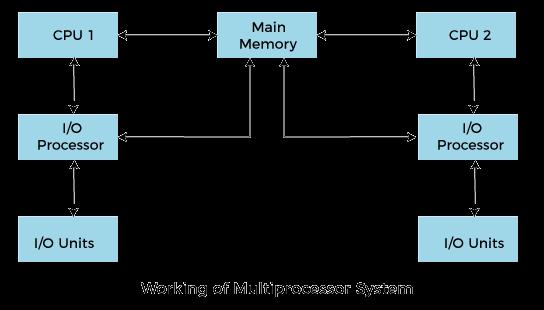
Multiprocessing means the computer has more than one CPU (central processing unit). Each CPU can do its own task, like having more workers in a factory to get more work done. Multicore means one CPU has many cores inside it, like having many workers inside one worker.
The OS for these systems must be smart. It needs to manage tasks and CPUs or cores well. The OS decides which task goes to which CPU or core. This is called scheduling. Good scheduling means the computer runs faster and doesn’t waste time.
A big part of this is process synchronization. Many tasks running at the same time might need to use the same resource, like memory or files. The OS must make sure tasks don’t mess up each other. It uses things like locks and semaphores to control access.
Another part is load balancing. The OS makes sure all CPUs or cores are working evenly. If one CPU does all the work and others do nothing, it’s not efficient. The OS spreads out the tasks so all CPUs or cores get used properly.
Also, the OS needs to handle communication between processes. Tasks often need to talk to each other to get things done. The OS helps them communicate without problems.
In summary, designing an OS for multiprocessing and multicore systems is about managing many tasks and CPUs or cores. It involves scheduling tasks, synchronizing processes, balancing the load, and helping tasks communicate. This design makes computers more powerful and efficient, letting them handle more work at the same time. Without a good OS, the computer would be slow and messy, like a factory with bad management.