wisemonkeys logo
FeedNotificationProfileManage Forms
FeedNotificationSearchSign in
wisemonkeys logo

Blogs

Subnet Masking

profile
Ronak Gala
Feb 27, 2022
0 Likes
1 Discussions
94 Reads

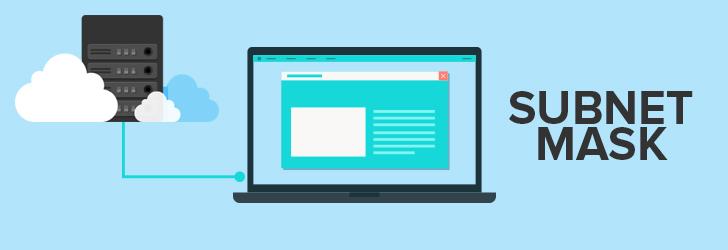
Subnet masks are used to design subnetworks, or subnets, that connect local networks. It determines both the number and size of subnets where the size of a subnet is the number of hosts that can be addressed.

In simplistic terms, you can create a subnet mask by taking the 32-bit value of an existing IP address, choosing how many subnets you want to create or alternatively, how many nodes you need on each subnet, and then setting all subsequent network bits to "1" and host bits to "0". The resulting 32-bit value is your subnet mask.

A subnet mask also pinpoints the endpoints of the range of IP addresses for a subnet. In any given network, two host addresses are always reserved for special purposes. The "0" address becomes the network address or network identification and the "255" address is assigned as a broadcast address. These cannot be assigned to a host.



Comments ()


Sign in

Read Next

Virtual Machine

Blog banner

Cyber Forensics in Healthcare: Protecting Patient Data and Preventing Breaches

Blog banner

Real Time Scheduling

Blog banner

Thumb Sucking: When It’s Normal and When It Becomes a Dental Problem

Blog banner

Virtual Memory

Blog banner

Short note on Microsoft office

Blog banner

Simple Ways of Avoiding Basic Mistakes in Smart Phone Security

Blog banner

Social Media Sentiment Analysis

Blog banner

The Role of Cyber Forensics in Addressing Cyber security Challenges in Smart Cities

Blog banner

Diwali

Blog banner

Study of Backdoor and Trojan tools

Blog banner

Why Data Security Is Important

Blog banner

Perfect Moments to Wear a Rich Patola Design Outfit

Blog banner

Digital Footprints An Emerging Dimension of Digital Inequality

Blog banner

Getting started with Android Studio

Blog banner

Introduction to GIS

Blog banner

Delhi city

Blog banner

Health and fitness

Blog banner

Real time scheduling

Blog banner

Cache Memory

Blog banner

Threads Concurrency: Mutual Exclusion and Synchronization

Blog banner

What is M-commerce and how it's work

Blog banner

Data is an asset and it is your responsibility!

Blog banner

Broken Authentication Attacks

Blog banner

The War With Cold On Earth

Blog banner

Operating system

Blog banner

OPERATING SYSTEM OBJECTIVES AND FUNCTIONS

Blog banner

Partnership in Learning: How Parent Involvement Shapes a Child’s Early Education

Blog banner

Financial Fraud Detection

Blog banner

Regression Analysis

Blog banner

Kernel in Operating System

Blog banner

Developments in Modern Operating Systems

Blog banner

Sweet and Sour Mango Pickle (Gol Keri)

Blog banner

Women Empowerment

Blog banner

AI & Data Science in Healthcare – Predicting diseases, medical imaging analysis

Blog banner

Fitness

Blog banner

RACI model in IT services

Blog banner

RAID

Blog banner

Balance

Blog banner

I/O Management and Disk Scheduling

Blog banner

Google App Engine

Blog banner

Google classroom

Blog banner