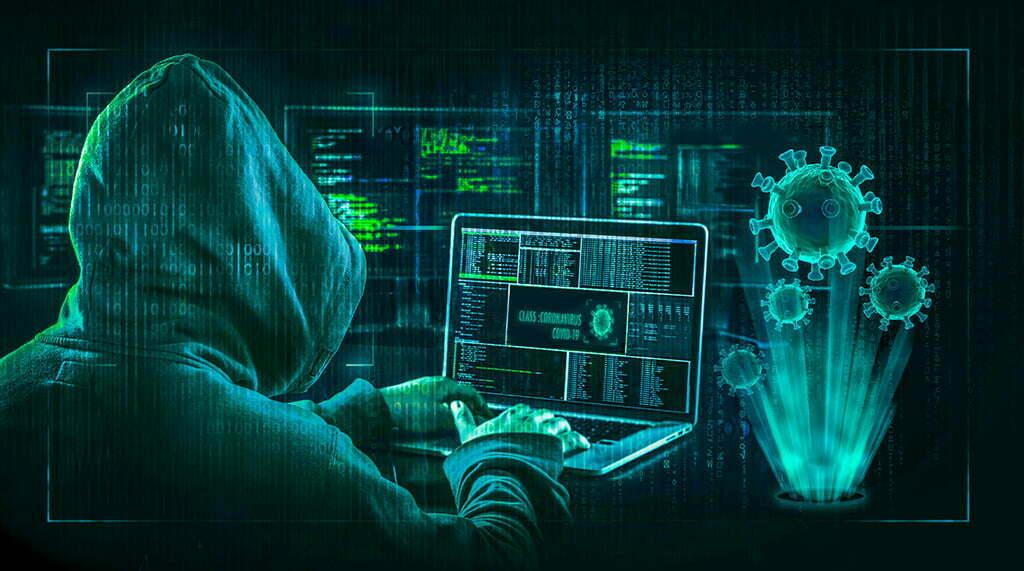
Cyber forensics, also known as digital forensics, is the process of collecting, analyzing, and preserving electronic evidence to investigate and prevent cybercrime. In the healthcare sector, cyber forensics plays a crucial role in safeguarding sensitive patient information and preventing unauthorized access to medical records and private data.
Healthcare organizations encounter various challenges when it comes to implementing effective cyber forensics measures. Limited resources, evolving cyber threats, and complex regulatory requirements create a daunting task for safeguarding patient data.
Implementing robust cyber forensics practices is crucial for healthcare organizations to mitigate the risks of data breaches and unauthorized access. This involves establishing comprehensive security protocols, conducting regular cybersecurity assessments, and fostering a culture of vigilance among staff members.
Dr. Sofia Patel, a cybersecurity expert, emphasizes the importance of proactive cyber forensics:
"Healthcare organizations must prioritize the proactive monitoring of their IT systems, swift incident response, and ongoing staff training to enhance their cyber resilience."
Embracing encryption, multi-factor authentication, and secure data storage methods can significantly enhance the protection of patient data.
In the event of a cybersecurity incident, digital forensics specialists play a pivotal role in investigating the breach, identifying the source of the attack, and containing the impact. By meticulously analyzing digital evidence, such as network logs and system activity, these experts can uncover crucial insights to strengthen the organization's security posture.
The healthcare sector is subject to stringent regulatory frameworks, such as the Health Insurance Portability and Accountability Act (HIPAA), which mandate the protection of patient information. Cyber forensics serves as a vital tool for ensuring compliance with these regulations, as it enables organizations to demonstrate due diligence in safeguarding sensitive data.
As technology continues to advance, the future of cyber forensics in healthcare will see an increasing emphasis on AI-powered threat detection, blockchain for secure data sharing, and collaboration with law enforcement agencies to combat cybercrime effectively.
In conclusion, the integration of robust cyber forensics practices is indispensable for safeguarding patient data in the healthcare industry. By prioritizing cybersecurity measures, leveraging digital forensics expertise, and staying abreast of evolving threats, healthcare organizations can fortify their defenses and uphold the trust and privacy of their patients.
References: