Cloud Security: Trends and Innovations
In recent years, the adoption of cloud computing has surged, revolutionizing the way businesses operate and store data. With this rapid growth, ensuring the security of cloud environments has become a paramount concern for organizations worldwide. In this article, we will explore the latest trends and innovations in cloud security that are shaping the landscape of digital protection.
1. Zero Trust Architecture
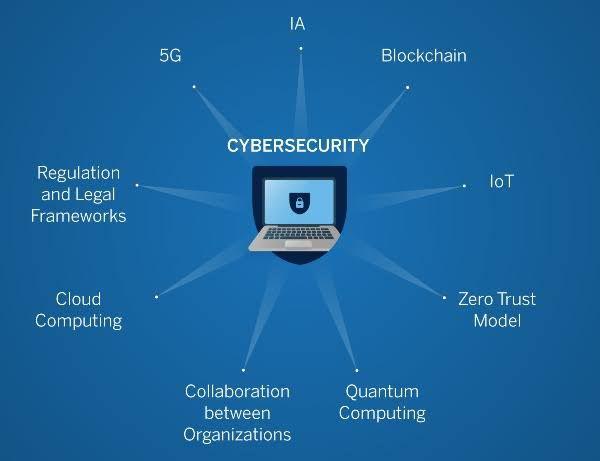
One of the most significant shifts in cloud security is the widespread adoption of Zero Trust Architecture (ZTA). This approach operates on the principle of "never trust, always verify," meaning that no user or system, whether inside or outside an organization's network, is implicitly trusted. Instead, continuous authentication and authorization are required to access resources. ZTA minimizes the attack surface and mitigates the risk of lateral movement within a network.
2. AI and Machine Learning in Threat Detection
Artificial Intelligence (AI) and Machine Learning (ML) have made great strides in bolstering cloud security. These technologies can analyze vast amounts of data to identify anomalies and detect suspicious activities in real-time. They are particularly effective in spotting previously unseen patterns and adapting to evolving threats, providing a dynamic defense against cyberattacks.
3. Container Security
Containers, a lightweight alternative to traditional virtual machines, have become integral to cloud infrastructure. Securing these containers is critical for protecting applications and data. Container security platforms offer capabilities like vulnerability scanning, runtime protection, and compliance management to ensure the integrity of containerized environments.
4. DevSecOps
The integration of security into the DevOps process, known as DevSecOps, has gained traction as a way to build security into the software development life cycle from the outset. This approach fosters a culture of continuous security, where security measures are automated and integrated into every phase of development and deployment.
5. Cloud Access Security Brokers (CASBs)
CASBs have emerged as a vital component of cloud security strategies. They act as intermediaries between users and cloud service providers, enforcing security policies and providing visibility and control over cloud applications. CASBs help organizations safeguard sensitive data and maintain compliance across various cloud services.
6. Edge Computing Security
As edge computing proliferates, ensuring security at the network's edge has become crucial. Edge security solutions are designed to protect data and applications at the periphery of the network, where computing occurs closest to the data source. This guards against potential vulnerabilities and ensures data privacy and integrity.
7. Identity and Access Management (IAM)
IAM remains a cornerstone of cloud security. Advanced IAM solutions use multifactor authentication, single sign-on, and privileged access management to verify and manage user identities. This ensures that only authorized personnel can access sensitive resources, reducing the risk of unauthorized access.
8. Blockchain for Cloud Security
Blockchain technology is being explored as a means to enhance cloud security, particularly in scenarios where trust and transparency are paramount. Its decentralized and immutable ledger can be leveraged for secure identity verification, secure data sharing, and ensuring the integrity of critical transactions.
In conclusion, the evolving landscape of cloud security is marked by a continuous quest for innovation and adaptation. Embracing these trends and leveraging cutting-edge technologies is crucial for organizations seeking to fortify their cloud environments against an ever-evolving threat landscape. As the cloud continues to play an increasingly central role in modern business operations, robust security measures will remain a cornerstone of success in the digital age.