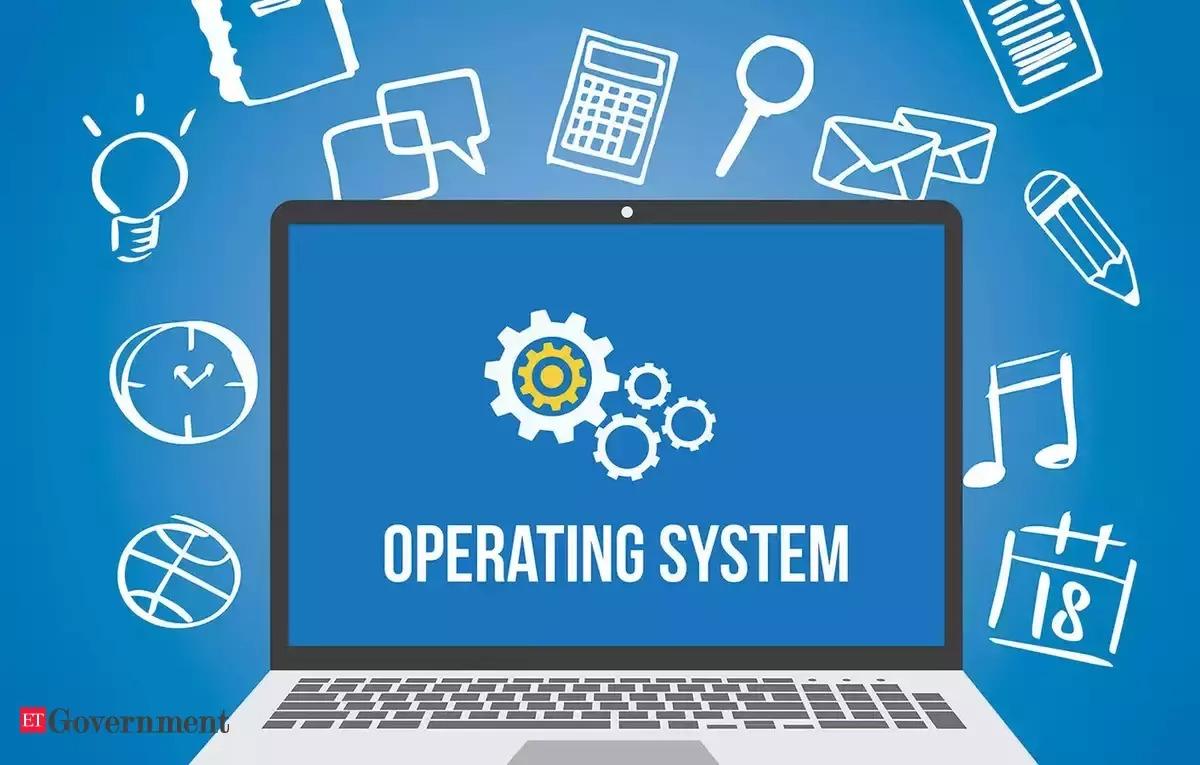
Operating System(OS)
An operating system (OS) is software that controls computer hardware and provides services to computer applications. It acts as an intermediary between applications and computer hardware, communication and resource management.
Functions of OS
1.Memory Management:
It keeps track of primary memory, i.e., which bytes of memory are used by which user program. The memory addresses that have already been allocated and the memory addresses of the memory that has not yet been used.
It Allocates the memory to a process when the process requests it and deallocates the memory when the process has terminated or is performing an I/O operation.
2. Security and Protection:
The OS enforces security measures to protect system resources from unauthorized access and ensure data availability.
It provides user identification mechanisms, access controls, and encryption to protect sensitive information and system functionality.
3.File Management:
The OS manages file storage, organization, and access through a hierarchical file system structure. It supports operations like file creation, deletion, reading, writing, and modification.
It handles file permissions and manages disk space allocation to optimize storage efficiency.
4.Process Management:
An operating system controls the workload of the processor by allocating various tasks to it and ensuring that each process gets enough time from the processor to run efficiently.
It stores the state of the systems. The program that performs this function is known as traffic controller.
The processor that runs the CPU distributes the process. Deallocates the processor when the system is no longer needed.
5.Device Management:
It keeps track of all devices connected to the system. Designates a program responsible for every device known as the Input/Output controller.
It decide which process gets access to a certain device and for how long.
It Allocates devices effectively and efficiently. Deallocates devices when they are no longer required.