M commerce
The term mobile commerce was originally coined in 1997 by Kevin Duffey at the launch of the Global Mobile Commerce Forum, to mean "the delivery of electronic commerce capabilities directly into the consumer’s hand, anywhere, via wireless technology
M-Commerce is the buying and selling of goods and services through wireless handheld devices such as cellular phones and personal digital assistants (PDAs).
M-commerce (mobile commerce) is the buying and selling of goods and services through wireless handheld devices such as smartphones and tablets.
M-commerce is a form of e-commerce that enables users to access online shopping platforms without the use of a desktop computer.
M-commerce helps the users to access the Internet easily through cell phones and PDAs Now-a-days cell phones are equipped with Micro browser, Bluetooth technology, E-mail
Examples of m-commerce use in specific industries include the following:
•Financial services. Mobile banking and brokerage transactions are done from mobile devices.
•Telecommunications. Handheld devices are used to make service changes and bill payments, and to do account reviews.
• Service and retail. Consumers place and pay for orders on-the-fly through online stores.
•Information services. Financial, sports, traffic, weather and many other news updates are accessed through mobile devices.
capabilities.
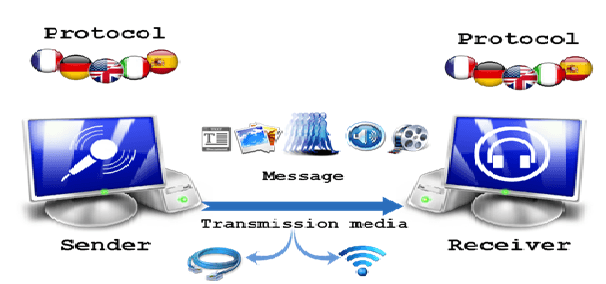
The technology behind m-commerce is based on Wireless Application Protocol (WAP),
IBM and other companies are experimenting with speech recognition software as a way to ensure security for M-commerce transactions.
Wireless Markup Language (WML) is used to create Web pages that can be displayed on small format Web-enabled devices such as cell phones