wisemonkeys logo
FeedNotificationProfileManage Forms
FeedNotificationSearchSign in
wisemonkeys logo

Blogs

GIS Applications: How Different Industries are Leveraging Geospatial Data

profile
Suhail Dangra
Mar 16, 2023
0 Likes
0 Discussions
73 Reads

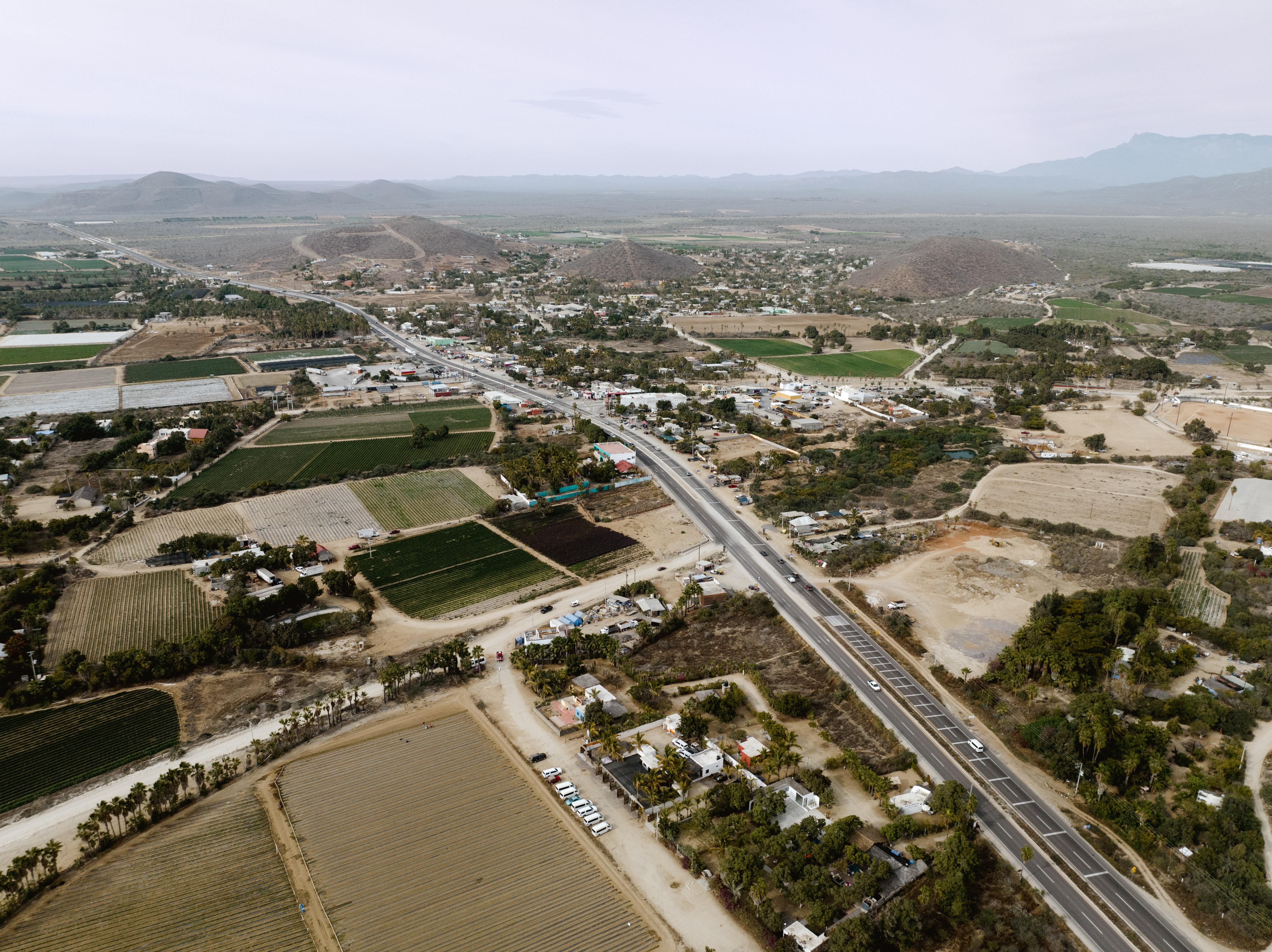
Geographic Information Systems (GIS) are being used by various industries to collect, store, analyze, and visualize geospatial data. This technology has revolutionized the way organizations make decisions by enabling them to understand and interpret data in a spatial context. In this blog post, we will explore how the agriculture industry is leveraging GIS and how it is using it to gain a competitive advantage.

Farmers are increasingly using GIS technology to improve their crop yields and optimize their operations. By mapping their fields, farmers can identify areas that need more or less water, fertilizer, or pesticides, and adjust their practices accordingly. GIS can also be used to track crop growth and monitor soil moisture levels, which can help farmers make more informed decisions about when to plant, irrigate, or harvest.

Another way that GIS is helping the agriculture industry is by providing valuable insights into weather patterns and climate change. GIS can help farmers track weather conditions in real-time, and provide advance warning of severe weather events such as floods, droughts, or storms. GIS can also help farmers identify areas that are most vulnerable to climate change, and develop strategies to adapt to these changes.

By leveraging GIS, farmers can gain valuable insights that can help them improve their crop yields, reduce costs, and make more informed decisions about their operations. GIS can help farmers optimize their land use, minimize their environmental impact, and respond quickly to changing conditions.

In conclusion, GIS is a powerful tool that is being used by the agriculture industry to gain valuable insights from geospatial data. By mapping their fields, tracking weather patterns, and monitoring soil moisture levels, farmers can optimize their operations and improve their crop yields. As GIS technology continues to evolve, we can expect to see more industries adopt this



Comments ()


Sign in

Read Next

Business Intelligence v/s Big Data

Blog banner

CyberSecurity Color Wheel

Blog banner

Evolution of the Microprocesor

Blog banner

SQL Injection practice on DVWA

Blog banner

My Favorite Sportsperson

Blog banner

Design Considerations for Disk Cache Management

Blog banner

Carrot Pickle With Raisins (lagan Nu Achar)

Blog banner

CRISP-DM Methodology

Blog banner

A Happier Workplace Starts with Healthy Lunches by Meal Maharaj

Blog banner

To-Do List In LISP

Blog banner

10 Interesting Facts about Attack on Titan

Blog banner

Brilliant WhatsApp Features Upcoming in 2023

Blog banner

Hello World

Blog banner

Mumbai Metro 3

Blog banner

Data Visualization – Importance and tools (Tableau, Power BI)

Blog banner

Virtual Memory

Blog banner

note taker app

Blog banner

Apache Spark :- Powerful Data Processing Tool

Blog banner

Malware

Blog banner

My 1stNull Puliya session

Blog banner

computer security

Blog banner

Explain Multiprocessors

Blog banner

How Does SSO Works

Blog banner

Importance Of Time

Blog banner

Social Media.

Blog banner

Data Warehouse Bus Matrix

Blog banner

What is hydration pack/ hydration bladder?

Blog banner

From Loom to Luxury: How Patola Elevates Modern Wardrobes

Blog banner

10 Unknown facts about India's Independence

Blog banner

Amazon

Blog banner

Race Condition

Blog banner

8 Reasons Why You Must Try Digital Marketing

Blog banner

How to insert contacts in zoho crm using php

Blog banner

A book review

Blog banner

Kids Grieve Too

Blog banner

Product Discount Calculator

Blog banner

Ola

Blog banner

Risk mitigation and management

Blog banner

Raid and levels of raid.

Blog banner

Processes : Process description and control

Blog banner

Education: Key to your Prosperity

Blog banner

Linux VServer Architecture

Blog banner