What is IoT?
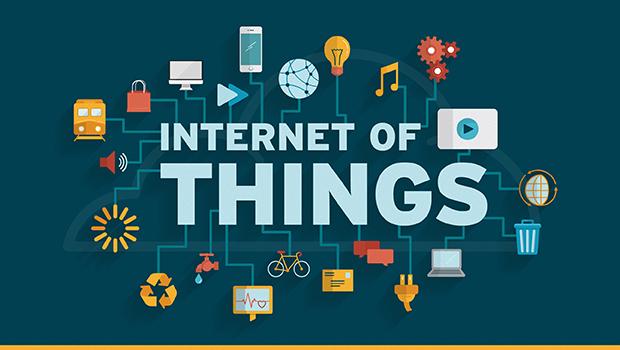
The Internet of Things is a concept that describes the physical objects containing sensors and actuators, the ability to process, software systems and other technologies that connect to and exchange data with similar other devices and systems over the Internet and other forms of communication. A concept which was considered to be theoretical earlier is a reality now and without which we can hardly function in our daily lives.
How does IoT work?
There are 3 key components in an IoT framework:
1. Smart Device - These are devices with computing capabilities, e.g. television, security camera etc. that collect data from the environment, user input and communicate the data back to the IoT application via the internet or cloud.
2. IoT Application - An IoT application is a collection of services and software that integrates data received from various IoT devices. It uses machine learning or artificial intelligence (AI) technology to analyze this data and make informed decisions. These decisions are communicated back to the IoT device and the IoT device then responds intelligently to inputs.
3. User Interface - The IoT devices can be controlled and managed via a graphical user interface, This could typically be an application on your smartphone or computing device.
What role does security play in IoT?
IoT security is simply the use of technologies, tools and policies on safeguarding the connected devices and networks in the IoT. Each "thing' is provided a unique identifier and the ability to automatically transfer data over a network. Allowing devices to connect to the internet opens them up to a number of serious vulnerabilities if they are not properly protected.
A number of high-profile incidents where a common IoT device was used to infiltrate and attack the larger network has drawn attention to the need for IoT security. It is critical to ensuring the safety of networks with IoT devices connected to them. IoT security includes a wide range of techniques, strategies, protocols and actions that aim to mitigate the increasing IoT vulnerabilities of modern businesses.
Security Issues and Challenges
1. Remote Exposure - IoT devices have a higher chance of attacks due to the connectivity to the internet. Although it does make the devices accessible, it also leaves them prone to attack from hackers.
2. Resource Constraints - Lack of foresight isn't the only IoT security issue faced by newly digitized industries. Another major concern with the IoT security is the resource constraints of many of these devices. Not all IoT devices have the computing power to integrate sophisticated firewalls or antivirus software. Some barely have the ability to connect to other devices. IoT devices that have adopted Bluetooth technology, for example, have suffered from a recent wave of data breaches. The automotive industry, once again, has been one of the markets hurt the most.
How to protect IoT systems and devices?
1. Introduce IoT security during the design phase - Enabling security by default is critical, as well as providing the most recent operating systems and using secure hardware. IoT developers should, however, be mindful of cybersecurity vulnerabilities throughout each stage of development, not just the design phase.
2. PKI and digital certificates - PKI is an excellent way to secure the client-server connections between multiple networked devices. Using a two-key asymmetric cryptosystem, PKI is able to facilitate the encryption and decryption of private messages and interactions using digital certificates. These systems help to protect the clear text information input by users into websites to complete private transactions. E-commerce wouldn't be able to operate without the security of PKI.
3. Network security - Networks provide a huge opportunity for threat actors to remotely control others' IoT devices. Because networks involve both digital and physical components, on-premises IoT security should address both types of access points. Protecting an IoT network includes ensuring port security, disabling port forwarding and never opening ports when not needed; using antimalware, firewalls and intrusion detection systems/intrusion prevention systems; blocking unauthorized IP (Internet Protocol) addresses; and ensuring systems are patched and up to date.
4. API security - APIs are the backbone of most sophisticated websites. They allow travel agencies, for example, to aggregate flight information from multiple airlines into one location. Unfortunately, hackers can compromise these channels of communication, making API security necessary for protecting the integrity of data being sent from IoT devices to back-end systems and ensuring only authorized devices, developers and apps communicate with APIs. T-Mobile's 2018 data breach is a perfect example of the consequences of poor API security. Due to a "leaky API," the mobile giant exposed the personal data of more than 2 million customers, including billing ZIP codes, phone numbers and account numbers, among other data.