wisemonkeys logo
FeedNotificationProfileManage Forms
FeedNotificationSearchSign in
wisemonkeys logo

Blogs

Krishna Rao SAP ID--53003230076

profile
Krishna Rao
Jul 05, 2024
0 Likes
0 Discussions
53 Reads

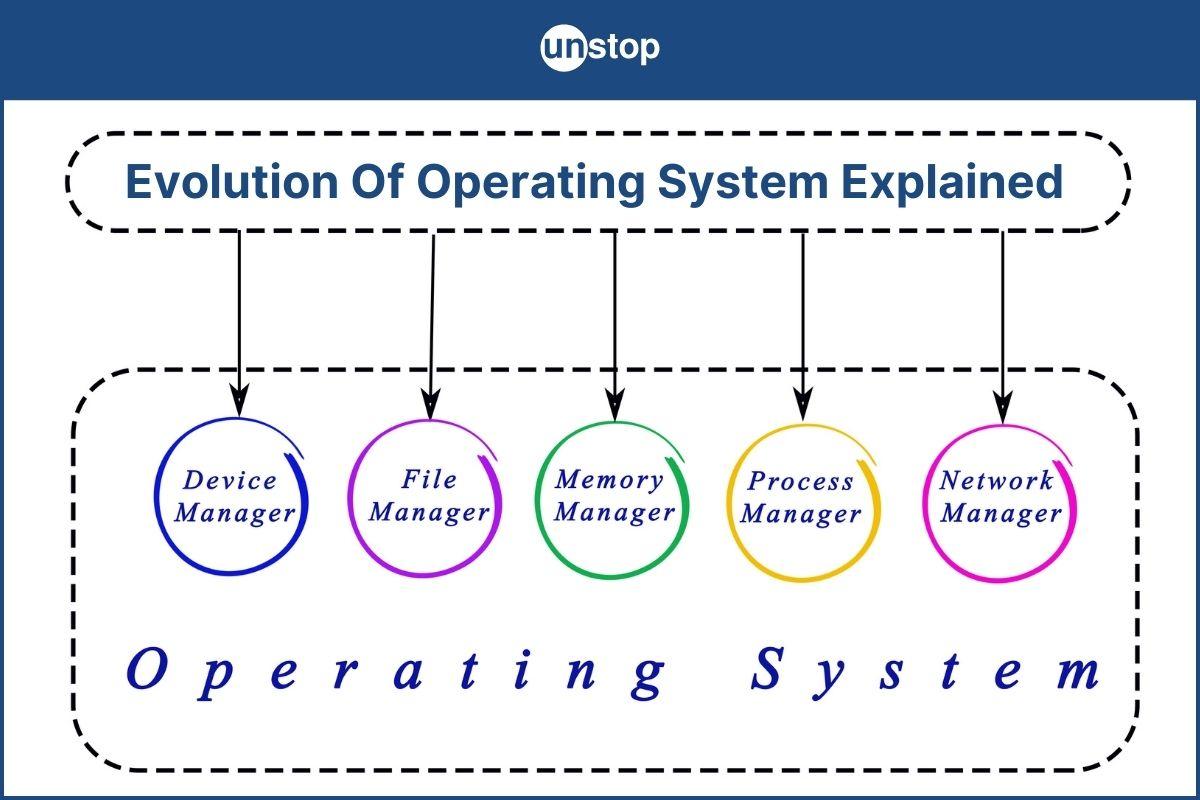
Operating systems have come a long way since computers first started appearing. Back in the day, they were pretty basic, just helping computers do simple tasks like adding numbers or printing stuff. But as computers got smaller and more powerful, operating systems got smarter too.

In the 1970s, we saw the birth of multitasking, which meant computers could do more than one thing at a time. Then, in the 1980s, things really changed with the introduction of graphical interfaces. Instead of typing commands, you could click on icons and windows, making computers much easier to use. This era brought us systems like early versions of Windows and macOS.

By the 1990s, computers started connecting to each other through networks, and operating systems had to handle things like sending emails and browsing the internet. This led to more secure systems and better ways to manage files and permissions.

Today, operating systems are everywhere, from our phones to our laptops and even our smart TVs. They've gotten really good at understanding what we need and making our devices work smoothly. They're also focusing on things like AI and cloud computing to make our lives even easier.

Looking ahead, who knows what's next? Maybe operating systems will help us control robots or make our homes smarter. The evolution continues, always making computers more powerful and easier for us to use.



Comments ()


Sign in

Read Next

Penetration Testing

Blog banner

A MODERN OPERATING SYSTEM

Blog banner

How I use google in my daily life

Blog banner

AN EVENT-BASED DIGITAL FORENSIC INVESTIGATION

Blog banner

Data Structures

Blog banner

Deadlocks in Operating System

Blog banner

Mobile Transport Layer – Traditional TCP

Blog banner

Real Time Scheduling

Blog banner

Craziness of dream 11 and how it impacts on our life

Blog banner

Virtual memory

Blog banner

Virtual Memory - Explaination, Working, Steps

Blog banner

Digital Forensics Challenges and Tools

Blog banner

Optimization of operating system design

Blog banner

OLA

Blog banner

Memory management

Blog banner

I/O Buffering

Blog banner

How Reading Books Shape a Child’s Imagination and Thinking?

Blog banner

Inventory management software system

Blog banner

Business Intelligence v/s Big Data

Blog banner

Expressing and Measuring Risk (Risk Management)

Blog banner

Operating system

Blog banner

Title: Modern Operating Systems: Powering the Digital Era

Blog banner

Security in Operating Systems

Blog banner

Fault Tolerance in an Operating System

Blog banner

Bit Coins

Blog banner

Dekkers Algorithm

Blog banner

Cache memory

Blog banner

Starvation

Blog banner

The Future of Cybersecurity: Trends, Challenges, and Strategies

Blog banner

Water Resources are about to exhaust...

Blog banner

File management In Operating System

Blog banner

Precision-Recall in Data Science

Blog banner

Modern OS

Blog banner

Cyber Forensics in Healthcare: Protecting Patient Data and Preventing Breaches

Blog banner

Some web vulnerabilities

Blog banner

Data Mining

Blog banner

Big Data Architecture

Blog banner

Regression Analysis

Blog banner

Memory management

Blog banner

What are NFT s?

Blog banner

Not anti-social, but pro-solitude

Blog banner

Importance of Morning Routines for Students During the Festive Season

Blog banner