Cyber threats to businesses and individuals are increasing every day. The good part is that consumers are increasingly aware of the amount of personal data they accidentally leak to online businesses. To mitigate these risks, cybersecurity experts often recommend using a VPN.
A VPN stands for Virtual Private Network. It masks your IP address, encrypts your browsing data, and lets you bypass geo-restrictions. Ideally, your data should be one hundred percent secure and under your control. Unfortunately, this is not always the case, and the security of your data will depend on the type of VPN you use. You may be tempted by the promise of some VPN providers to keep your online data safe and free. Considering the technology that makes VPN works, these claims are too good to be believed.
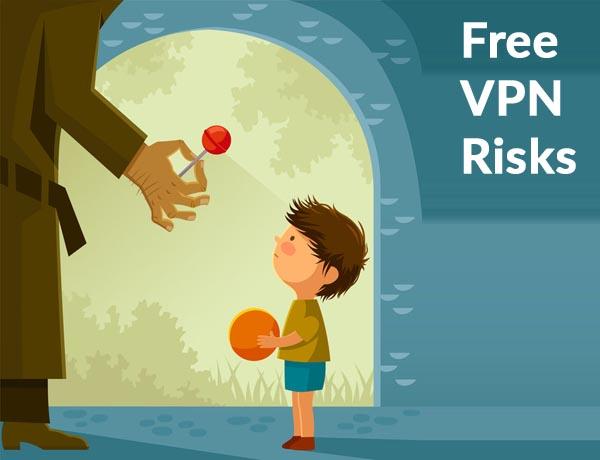
Remember, there is no such thing as a free lunch when it comes to VPNs. Operating a VPN requires special software and expensive infrastructure. If someone is offering this service to you for free, you are definitely paying another way.
Let's take a quick look at the cons of using a free VPN. It will motivate you to look for other options when you’re offered free VPN services the next time!
1. No personal data protection:
Standard VPN connections do not guarantee complete anonymity on the Internet. VPN just hides your IP address and encrypts your data. Websites you have an account with, such as Google, will always have your data, regardless of VPN. With a free VPN, that's even worse. Free VPN providers build tracking mechanisms into their services and collect user data. Paid VPNs, on the other hand, need your subscription money to avoid the risk of security flaws. They never share your data or track your activity because that's not what they make money from.
2. Slow internet speed:
VPN connection reduces your internet speed. Two processes - encrypting and decrypting your browsing data - must happen to make your internet usage truly private. The connection between you and the Internet through the VPN is redirected and encrypted through the VPN server. However, this adds significant amount of lag to your internet speed. With free VPNs, this delay adds up even more. It just means you'll waste more time waiting for web pages to load.
3. Increase in Phishing attacks:
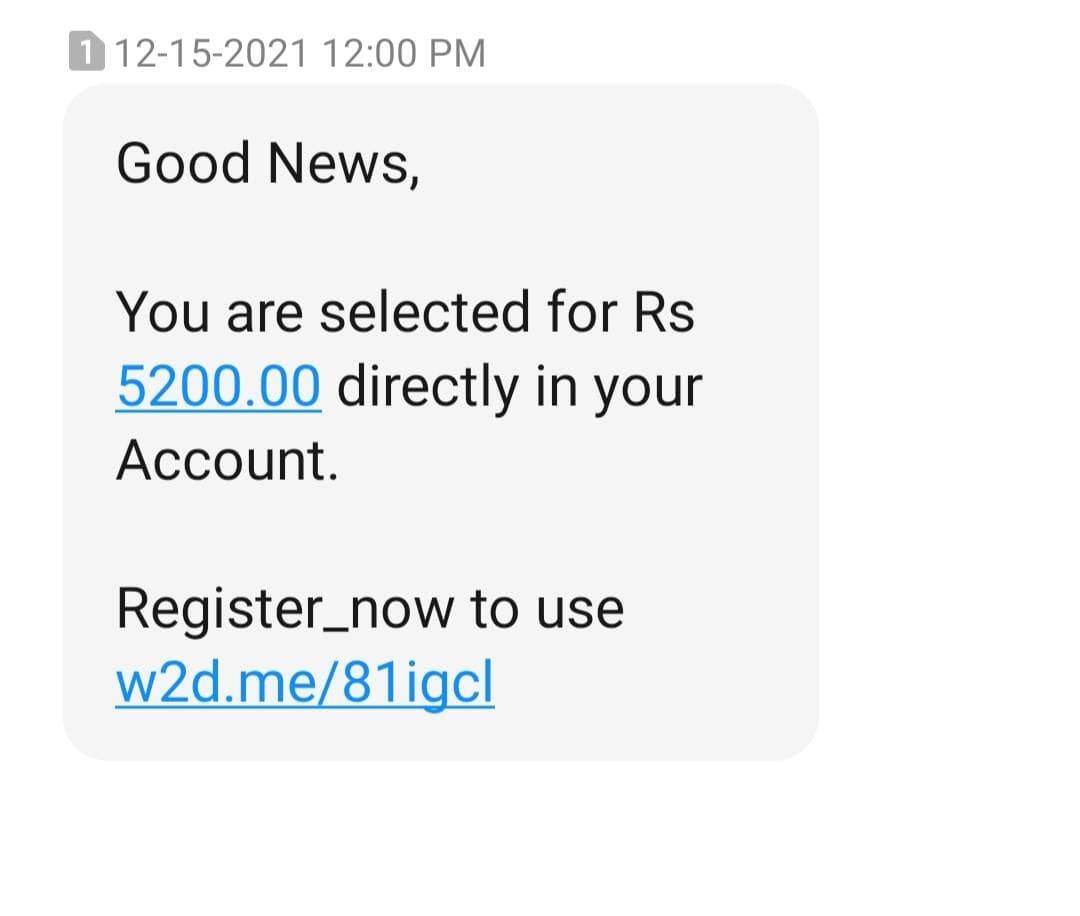
Using a VPN does not secure you from cyber security threats or hacking and a free VPN, in fact, makes you a ripe target. Some of these free VPNs are fronts for malware distribution schemes. Because the technology behind them is either outdated or poorly monitored, these kinds of VPNs are rife with lots of vulnerabilities. Annoying advertising is a feature of a free VPN. Free VPN providers don't charge for their service, and they usually generate revenue through advertising. They display pop-ups or sometimes redirect you to pages with malicious content. These ads appear all the time during your browsing sessions and can make the experience uncomfortable. If you intentionally or accidentally click on these pop-ups, you are at risk of phishing attacks, and your device can easily become infected with malware before you even know it.
In fact, if someone in your organization falls prey to a phishing attack of this nature, it could open the door for cybercriminals to penetrate your entire network. Many large-scale and large-scale ransomware attacks begin with phishing attacks. This is why it is essential today to properly train employees in cybersecurity and ransomware preparation.
4. Limited access to websites:
One of the main reasons VPNs are so popular is their ability to bypass location restrictions on content-based websites. For example, Netflix only allows certain videos to be shown in certain places due to copyright issues. To access this content from another location, you must find a way around this restriction.
VPNs and proxies can easily be used to achieve this. However, using a free VPN to access Netflix content will generally fail. Free VPNs use poor encryption technology and websites with strong security protocols block access when they detect such methods Only some premium VPNs can unblock Netflix content, and when they do, it can be hard to stay connected for a full movie show.
5. Increased data consumption:
As explained earlier, a VPN connection involves encryption and decryption. These processes increase the amount of bandwidth you use when connecting to the Internet. In the end, you will consume data faster than if you weren't using a VPN. Free VPN makes the situation worse as your data will be wasted due to annoying ads, poor encryption technology and selling your bandwidth.
Remember that a free VPN is not completely free. The risks associated with their use are greater than the risks you are trying to avoid. To ensure that your data is safe and secure on the Internet, it is best to use premium VPN services or VPN alternatives such as anti-detection browsers. If you use a VPN, make sure it's reliable and secure.