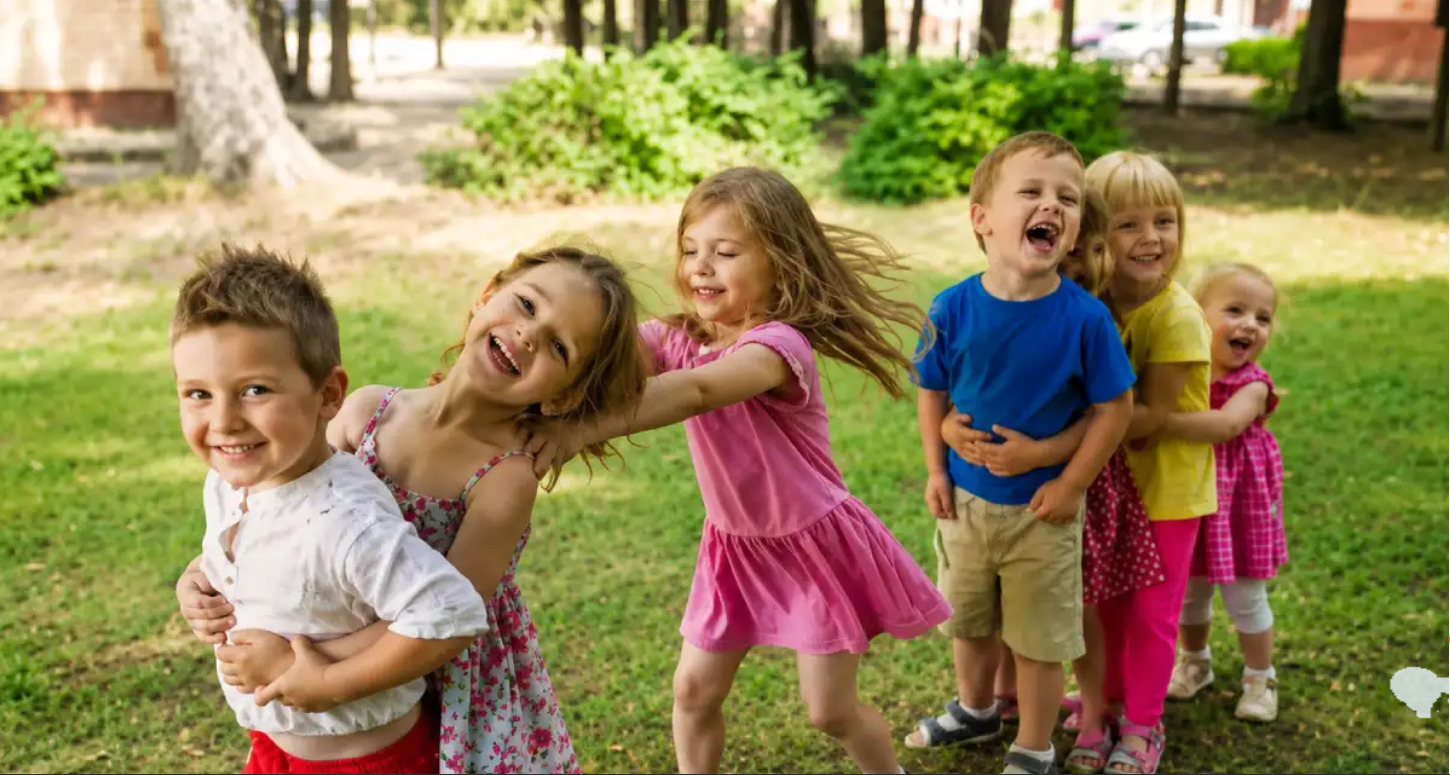
One of the most fascinating accomplishments that can occur in early childhood is the process of making a first friend. Preschool is often the first setting where children have opportunities to socialise with other people who are not part of their family. Friendship plays an important role in helping young children build confidence and develop good communication skills.
While children at an early age might not immediately know how to begin conversations, share their toys, or work cooperatively in activities, preschools provide a safe environment where children learn how to do this without even realising it. With constant interaction and guidance from their teachers, children learn how to interact socially and make friends.
Friendship during preschool age plays an essential part in the social and emotional development of a child. Being friends with someone makes kids feel more comfortable, safe, and confident in their surroundings, as well as promotes good social behaviour. Friends help children learn how to communicate with other people, how to cooperate and work in a team, boost their self-confidence, and how to show empathy and kindness towards others. Such social experience will make children feel like they belong somewhere and that someone values them.
Creating Opportunities for Social Interaction
Preschools give kids lots of chances during the day to interact and connect with their classmates. Whether it is at arrival time, during circle time, while playing games, engaging in arts and crafts, listening to stories, discussing during snacks, or even playing outside, the kids are continually encouraged to talk and interact with each other. Through these interactions, the kids get to know their peers, gain confidence in themselves and improve their communication skills through fun-filled activities. With time, they end up making friends.
Learning Through Play
Playing is one of the most efficient and natural methods by which preschool-aged children make friends. While playing and participating in playful activities, children learn how to cooperate with each other, exchange thoughts and ideas, and enjoyably engage in social interaction. During games and cooperative activities, they acquire vital skills such as sharing, taking turns, cooperating, teamwork, solving problems, being tolerant of each other’s opinions, and expressing their own thoughts and feelings. All these positive interactions allow children to establish bonds with each other, and then friendship arises through joint experiences.
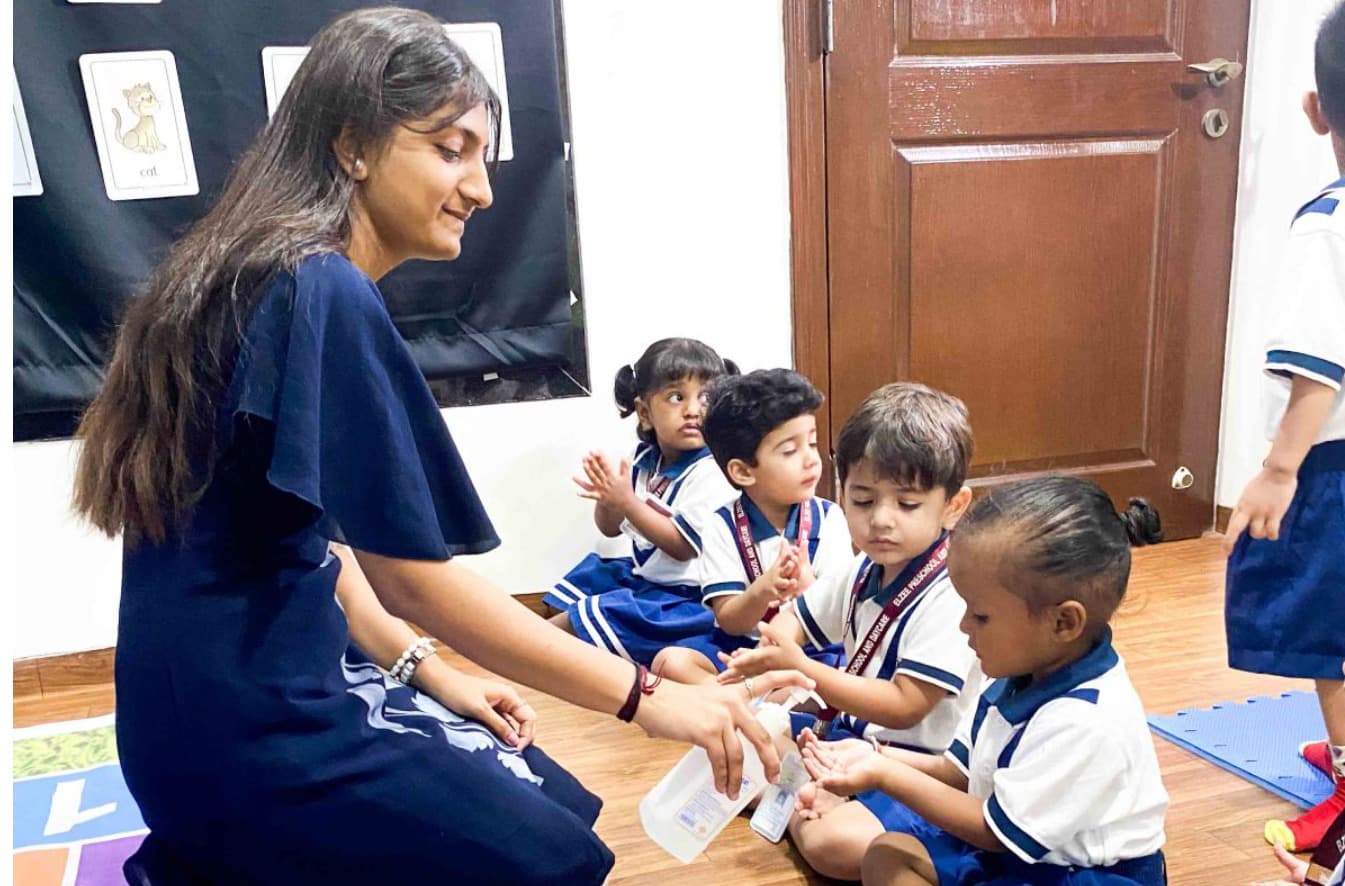
The role of teachers is significant when it comes to the development of good relations among children and the acquisition of social skills by kids. The way teachers control communication processes, promote inclusiveness, and teach children to handle various social situations plays a crucial part. Teachers facilitate communication through organising group games, pairing up children to perform tasks together, talking with children, showing good examples, and resolving minor conflicts peacefully. In this way, teachers create favourable conditions for the establishment of friendships.
Preschool helps greatly in helping young children create their first friendships and acquire social skills that will aid them throughout life. Learning takes place in a manner where young children learn how to talk, cooperate, and share through playing together and under the guidance of teachers. Besides making the experience at preschool more exciting, these friendships also help in developing emotionally and creating self-confidence.
Parents can learn more about how daily preschool experiences encourage social development by exploring What Your Child Learns During Free Play (That You Might Not Notice), which provides insights into a child’s typical preschool day. You can also discover how everyday habits help shape confidence and social skills through Elzee preschool and daycare. Together, these experiences create a nurturing environment where children can build friendships, develop essential life skills, and grow into confident learners.