Maintaining good nutrition goes beyond choosing wholesome foods, as it also entails consuming the proper amount of food. It is possible for healthy foods to lead to an increase in your weight and stomachaches due to overeating. If you eat too little food, you will end up tired and hungry.
This is where portion control comes into play. Portion control is not about depriving yourself of your favourite foods or counting each and every calorie. On the contrary, portion control helps in learning about the amount of food that your body needs to keep you energetic, healthy, and fit. It allows you to learn about preparing portions in a healthy manner.
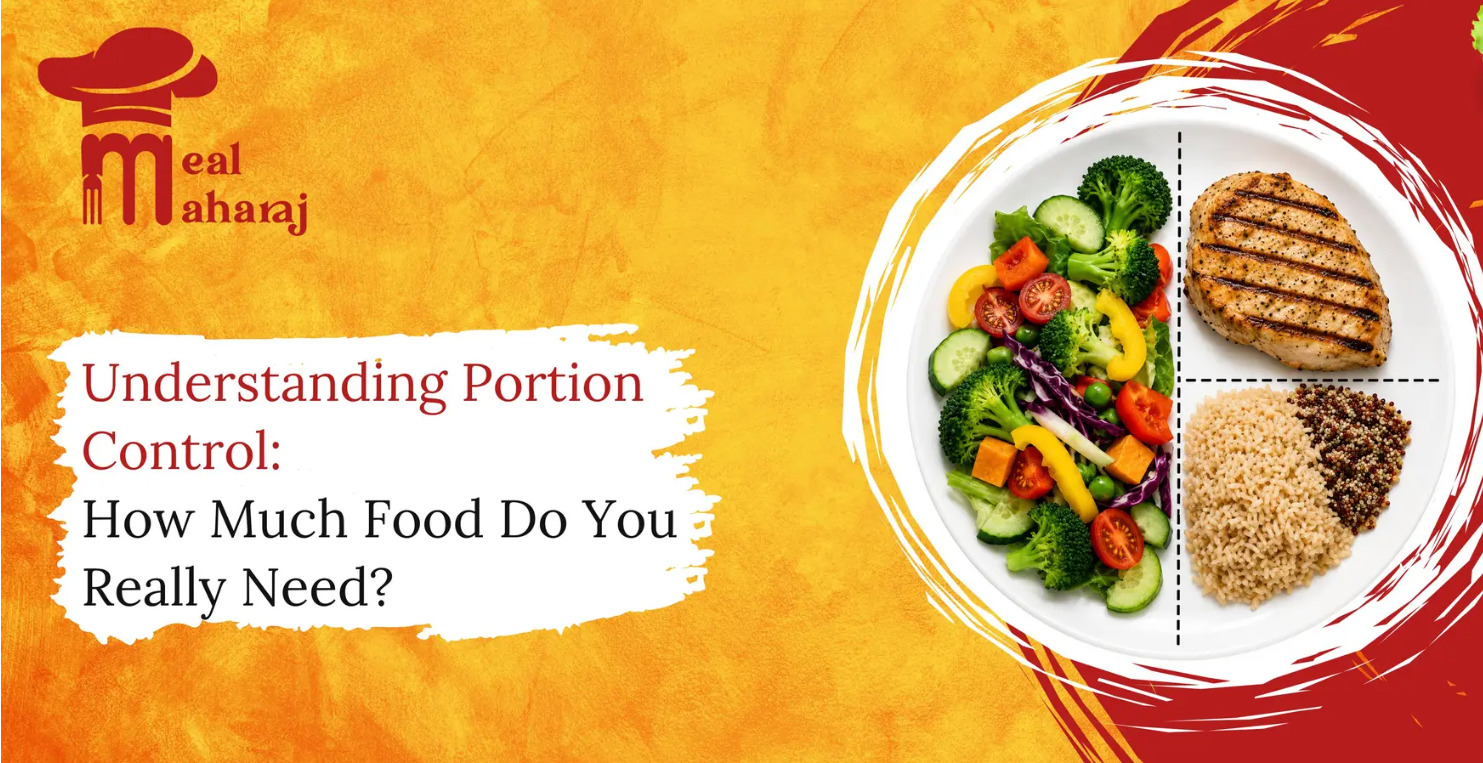
Portion control involves eating the right amount of food based on your body’s nutritional requirements, activities, and way of life, instead of having much food at once. Portion control is about making a meal that consists of the correct proportion of foods from different food groups. It may assist in avoiding overeating, improve digestion, provide you with constant energy for the entire day, eliminate excess calorie consumption, and help develop healthy eating practices. Portion control aims to feed your body with the appropriate amount of food, allowing you to be satisfied and healthy without overeating.
Many individuals inadvertently consume more food than what is required by the body due to the consumption of very large plates, eating while being distracted, or ordering bigger meals in restaurants. Such practices may lead to weight gain, lethargy, and gastrointestinal problems. Proper portion size will allow better digestion, ensure proper body weight, avoid over-eating, stabilise one’s blood glucose level, and minimise food wastage. By making simple changes in the amounts of food that one eats in every meal, one can greatly influence his/her general state of health.
There are certain signs that your body sends indicating whether it is hungry or full, but hectic routines and mindless eating can cause such signals to be easily overlooked. Consuming food slowly, chewing food well, feeling comfortably full, not eating from boredom or under stress are some ways to become aware of what your body is communicating. Listening to such signs of your body can ensure not only proper portion control but also the development of good eating habits.
Although needs differ from person to person, the following guidelines for portion sizes will help make a well-balanced meal.
| Food | Portion Size |
| Salad | 1 bowl |
| Cooked Rice | 1 cup |
| Dal | 1 bowl |
| Paneer | 75-100 grams |
| Curd | 1 small bowl |
| Fruit | 1 medium-sized fruit |
Portion control is a simple yet powerful method of maintaining a healthy way of life. With a thorough knowledge of how much food your body requires and balanced meals containing carbohydrates, protein, healthy fats, and fibre, it is possible to have better digestion, steady energy levels, and sustained well-being without ever having to sacrifice anything. Including protein in every meal will make you feel fuller and energised, as well as learning about how balanced dieting impacts your health from the Balanced Diet Basics: Combining Carbs, Protein, and Healthy Fats Properly. For easier access to portion-controlled and healthy meals, Meal Maharaj, offers meals specially designed by professionals who take care of healthy living through food planning.