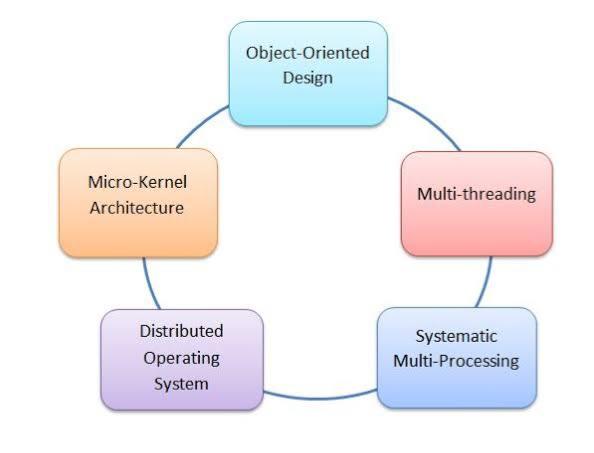
A modern operating system (OS) is a complex software system that serves as the foundation for managing hardware resources and enabling interaction between users and computer applications. It has evolved significantly over decades, adapting to advancements in technology and user expectations. Here’s a detailed exploration of the key components, functionalities, and characteristics of modern operating systems:
1] File System Management
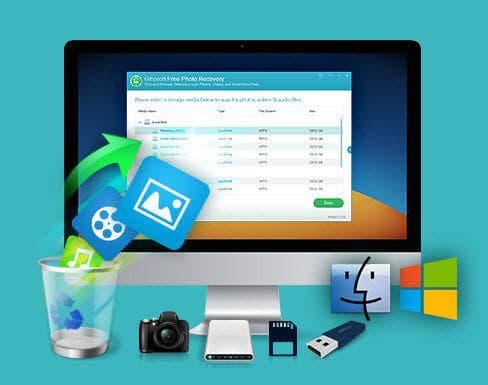
File systems in modern OSs organize and manage data stored on storage devices such as hard drives, SSDs, and external drives. They provide a hierarchical structure of directories and files, with capabilities for file creation, reading, writing, deletion, and access control (permissions). Examples of file systems include NTFS and FAT for Windows, HFS+ and APFS for macOS, and ext4, XFS, and Btrfs for Linux.
2] Device Management
Device management involves handling communication between software applications and hardware devices such as printers, scanners, network adapters, and USB devices. Modern OSs include device drivers that facilitate this communication, translating commands between the OS kernel and the hardware device. Plug-and-play support allows devices to be automatically recognized and configured upon connection.
3] Networking
Networking capabilities are integral to modern OSs, facilitating communication between computers and devices over networks. They support networking protocols like TCP/IP, UDP, and HTTP, and provide features for network configuration, firewall management, and internet connectivity. This enables tasks such as web browsing, email communication, file sharing, and remote access.
4] Security and Privacy
Security features in modern OSs are essential for protecting data, resources, and user privacy. They include user authentication mechanisms (passwords, biometrics), access control (file permissions, user roles), encryption (data encryption at rest and in transit), secure boot processes, antivirus/antimalware protection, and secure application sandboxing to prevent unauthorized access and mitigate security threats.7. Networking
Networking capabilities are integral to modern OSs, facilitating communication between computers and devices over networks. They support networking protocols like TCP/IP, UDP, and HTTP, and provide features for network configuration, firewall management, and internet connectivity. This enables tasks such as web browsing, email communication, file sharing, and remote access.
8. Security and Privacy
Security features in modern OSs are essential for protecting data, resources, and user privacy. They include user authentication mechanisms (passwords, biometrics), access control (file permissions, user roles), encryption (data encryption at rest and in transit), secure boot processes, antivirus/antimalware protection, and secure application sandboxing to prevent unauthorized access and mitigate security threats.
Modern Operating system:
Microsoft Windows: Widely used in desktop computing, known for its user-friendly interface (Windows 10, Windows 11).
macOS: Developed by Apple Inc. for Mac computers, known for its integration with Apple ecosystem and ease of use.
Linux: Open-source OS available in various distributions (Ubuntu, Fedora, Debian), popular for its customization, security, and server use.
Chrome OS: Developed by Google, based on the Linux kernel, primarily used for Chromebooks, focusing on web-based applications and cloud integration.1. Desktop and Laptop Operating Systems
These are general-purpose operating systems designed for personal computers and laptops