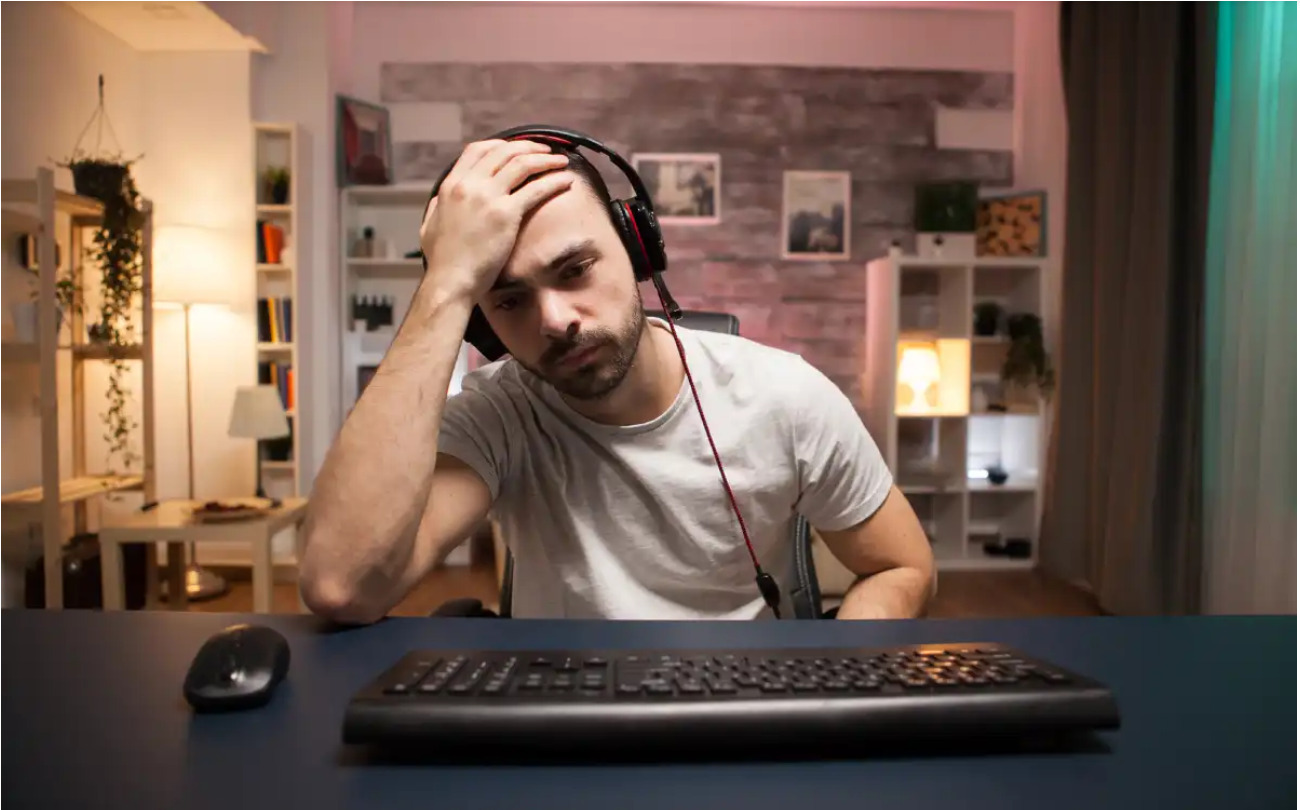
Gaming has become one of the most popular forms of entertainment across all age groups. For most people, playing video games is a healthy recreational activity that offers enjoyment, relaxation, and social connection. However, for some individuals, gaming can gradually shift from being a leisure activity to a compulsive behaviour that interferes with daily functioning, relationships, education, work, and emotional well-being.
Recognised by the World Health Organization(WHO) in the International Classification of Diseases (ICD-11), Gaming Disorder is a behavioural addiction characterised by impaired control over gaming, prioritising gaming over other important life activities, and continuing to play despite significant negative consequences. While only a small percentage of gamers develop this condition, its psychological impact can be profound.
Understanding the psychology of gaming disorder
Gaming disorder is not simply about spending long hours playing video games. From a psychological perspective it reflects difficulties with emotional regulation, coping and behavioural control. Many individuals use gaming as a way to escape stress, anxiety , loneliness, low self esteem or other emotional challenges.
Over time this pattern may become a primary coping strategy making it increasingly difficult to manage real-life emotions and responsibilities without gaming.
Signs and Psychological Impact:
Common signs of Gaming Disorder include:
Persistent excessive gaming can contribute to sleep disturbances, social withdrawal, poor concentration, reduced academic or work performance, emotional dysregulation, anxiety, depression, and low self-esteem. Children, adolescents, and young adults may be particularly vulnerable, as excessive gaming can interfere with healthy emotional, cognitive, and social development.
Building a Healthy Relationship with Gaming:
Gaming itself is not harmful when balanced with other aspects of life. Developing healthy gaming habits involves setting realistic time limits, maintaining regular sleep routines, engaging in physical activity, nurturing face-to-face relationships, and learning healthier ways to cope with stress and difficult emotions.
Strengthening emotional awareness and resilience enables individuals to enjoy gaming without becoming dependent on it as their primary source of comfort or escape.
Conclusion
Gaming Disorder is not a sign of weakness or lack of self-control but a behavioural health condition that often reflects underlying emotional needs and psychological distress. Early recognition and appropriate intervention can prevent long-term consequences and help individuals regain balance in their lives.
At Imperfect Psychotherapy Services, we understand that problematic gaming is often connected to deeper emotional struggles such as stress, anxiety, depression, loneliness or difficulties with emotional regulation. Our compassionate, evidence-based therapeutic approach provides a safe and confidential space to explore these underlying concerns, develop healthier coping strategies, strengthen emotional resilience and restore balance between digital engagement and overall well-being. With the right support individuals can build a healthier relationship with technology while enhancing their mental health and quality of life.