The start of a new school year is a very exciting time for preschool and daycare children. It means new classrooms, new friends, and new learning experiences. But for many young children, it can also be a time that seems strange and, at times, overwhelming. Helping children build confidence during this time is crucial, as confident children are more likely to be explorers, active participants, and lifelong learners. Preschools and daycare centres play a crucial role in helping children feel comfortable and secure in their new surroundings.
Why Confidence Matters in Early Childhood
Confidence in early childhood allows children to feel self-confident and motivated to explore new things. When children feel confident in themselves, they are more likely to ask questions, engage with other children, and participate in group activities.
Young children can benefit from building confidence in the following ways:
• Develop effective social skills
• Communicate their ideas and feelings
• Overcome small tasks on their own
• Encourage curiosity and creativity.
Morning Greeting Activities
Beginning the day with a warm greeting can be very helpful for a child’s confidence. Teachers usually greet children with simple greeting activities such as greeting them, singing a greeting song, or letting the children choose how they would like to be greeted. These activities help children feel that they are noticed and appreciated. When children feel that they are welcomed every morning, they feel as if they belong to the place.
Show and Tell
“Show and Tell” is a very effective activity that allows children to express themselves. The activity involves children bringing an object of their choice from home and telling the class about it.
The activity assists children in the following ways:
• They learn to speak in front of others
• They learn to communicate effectively
• They develop confidence in expressing their ideas
• They feel proud of their own interests
The teachers conduct the activity in a way that makes each child feel supported while speaking.
Creative Art and Craft Activities
In art, children are able to express their creativity without any fear of making mistakes. Painting, drawing, colouring, and crafting encourage children to explore their creativity in their own unique ways. When teachers appreciate children’s artworks and display them in class, they create a feeling of pride in the children. This makes them confident about their own abilities.
Group Play and Team Activities
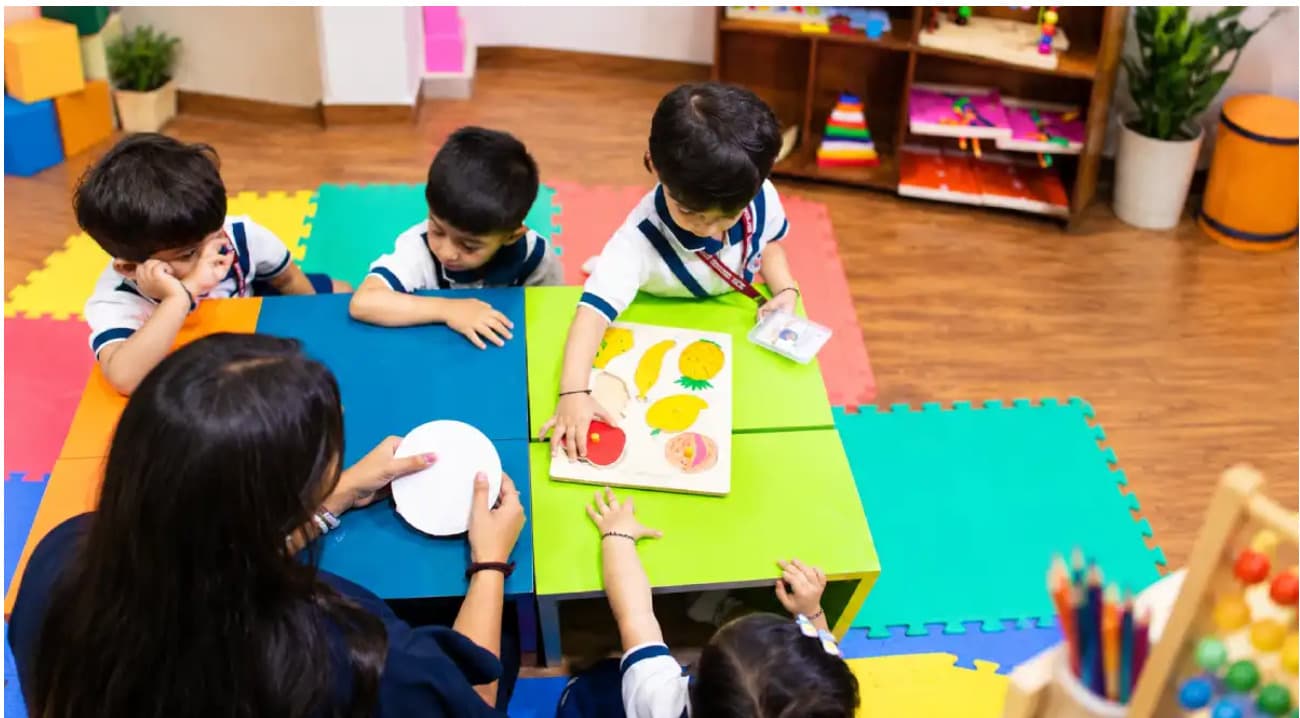
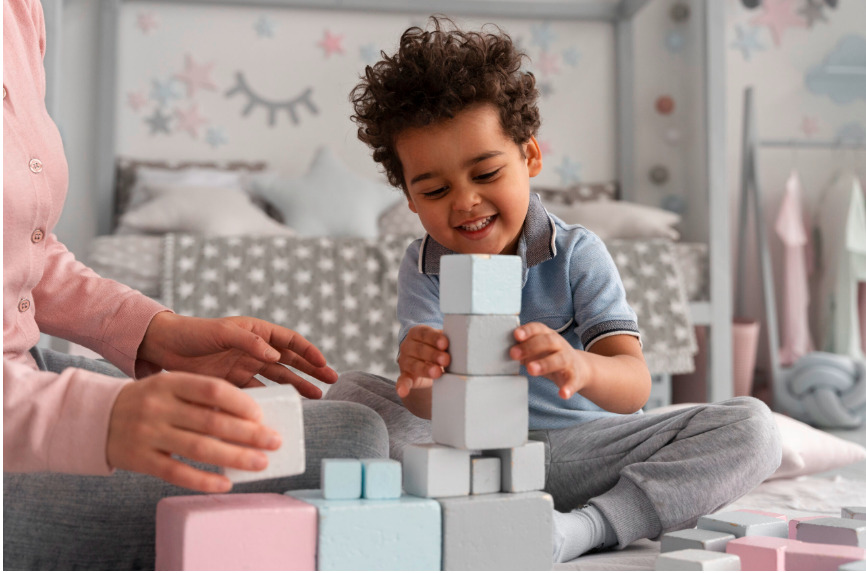
Working together in small groups allows children to learn about cooperation and teamwork. Activities such as building blocks together, group puzzles, or simple games allow children to work together and solve problems as a group.
Working together as a group allows children to learn how to:
• Share ideas and resources
• Share others’ ideas
• Take turns
• Enjoy group successes
Encouraging Small Responsibilities
Helping children with small jobs makes them feel important. These small jobs might include putting books on a bookshelf, distributing crayons, watering plants, or helping to clean up toys. These small jobs make children feel they own the class. By doing small jobs, children gain confidence in their ability to do a job. They learn that doing small jobs is important
However, confidence-building does not happen only in schools. Parents can build their children’s confidence by encouraging independence and praising their efforts at home. Simple things parents can do to help build their children’s confidence include allowing them to make some choices, listening to their ideas, and praising their progress.
Confidence in young children at the start of a new academic year is critical to their development. With the support of committed teachers, engaging activities, and a nurturing preschool environment, children learn to communicate, socialise, and actively participate in learning. Confidence established in early childhood enables children to become independent, curious, and enthusiastic about attending school. Parents can also learn about the impact of typical classroom experiences on a child’s development at Elzee Preschool and Daycare. They can also learn more about the appropriate preschool age and educational approach by reading “When Is the Right Time to Enrol My Toddler Into Preschool?” These concepts align with contemporary approaches to early education, where children start preschool at age three and progress to primary school with a solid foundation.