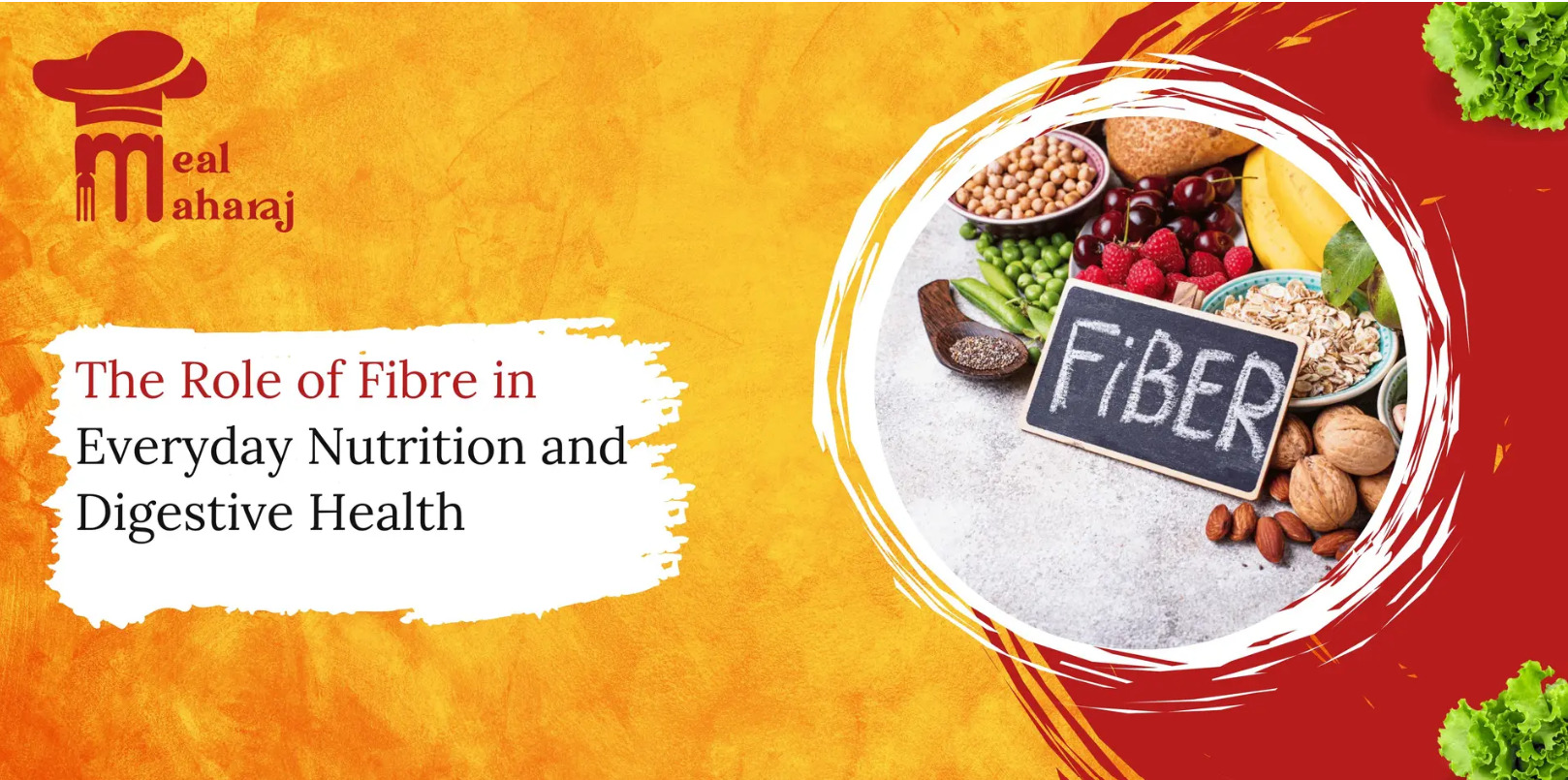
Where healthy eating is concerned, most of the focus tends to be put on nutrients such as proteins, vitamins, and minerals. One of the key elements that should not go overlooked in this respect is fibre. Fibre occurs naturally in foods such as fruits and vegetables, grains, beans, nuts, and seeds.
Even though fibre is quite significant, many do not get enough in their diets. Knowing what fibre is and how one can incorporate it into their diets on a day-to-day basis would have a considerable impact on their health.
Dietary fibre is a type of carbohydrate that the body cannot fully digest. Unlike other carbohydrates that are broken down and absorbed for energy, fibre passes through the digestive system relatively intact.
Soluble Fibre
Soluble fibre dissolves in water and forms a gel-like substance in the digestive tract.
Common sources include:
Insoluble Fibre
Insoluble fibre does not dissolve in water and helps add bulk to stool.
Common sources include:
Both types of fibre are important and work together to support digestive health.
Some of the key advantages of dietary fibre include its ability to maintain a good digestive system. Fibre aids in the smooth passage of food within the digestive system, resulting in effective digestion and healthy bowel movements. An appropriate intake of fibre can contribute to avoiding constipation, improving digestion, and maintaining a healthy gut. The inclusion of fibre in your diet will help you have a comfortable and effective digestive system.
Helps Maintain Stable Blood Sugar Levels
The presence of fibre slows sugar absorption, helping maintain stable blood sugar levels. Sudden energy crashes can be avoided, and sustained energy can thus be available for performing various activities. Fibre-rich foods should form part of balanced meals to ensure that energy levels are always maintained.
Simple Ways to Add More Fibre to Your Diet
There is no need to undergo major shifts in your food plan to increase your fibre intake. Some simple measures that you can include in your routine include incorporating vegetables into every meal, opting for whole grains rather than processed grains, eating fruits as a healthy snack, taking dal or legumes with your daily meals, and incorporating nuts and seeds into your diet.
Among the most essential and underappreciated nutritional elements found in common diets today is fibre. In addition to aiding in proper digestion and helping one feel full for extended periods of time, fibre is an extremely beneficial nutrient to include in one’s diet. Eating plenty of fruits, vegetables, and grains is the easiest way to incorporate it into your everyday diet.
It has been mentioned in the Balanced Diet Basics: Correct Combination of Carbs, Proteins, and Healthy Fats blog post that a balanced diet leads to good health, but this is not possible without having the right nutrients. To make balanced, home-style eating easier, explore Meal Maharaj, where thoughtfully prepared meals help you enjoy nutritious foods every day. In the end, small dietary changes, such as increasing your fibre intake, can lead to lasting improvements in digestive health and overall quality of life.