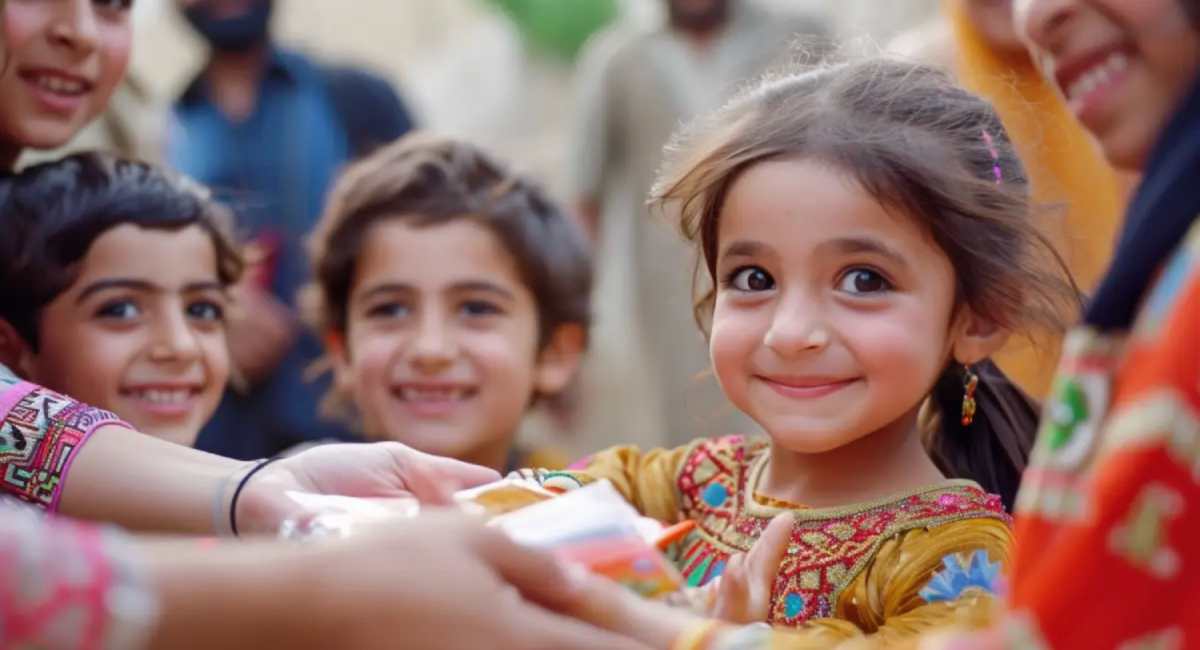
Festivals are not simply celebrations; they are amazing learning experiences that mould children in ways no book can. Amidst the vibrancy of colours, rituals, foods, and music, there exists a profound sense of community, culture, and values that children learn automatically. With the correct perspective, festivals are living classrooms where lessons of empathy, unity, and identity evolve exquisitely.
1. Knowing Culture Beyond Books
Kids tend to learn culture from books, photographs, or school festivals. But when they celebrate festivals, they experience culture firsthand. From observing elders do things ritually to wearing festive clothes, they learn about traditions and heritage with emotion and curiosity. It’s this experience that helps kids instil a sense of pride and belonging that theory cannot deliver.
2. Values Rooted in Every Celebration
Every festival has a message that fosters the emotional and moral development of young minds.
By such experiences, children acquire values such as kindness, patience, respect, and responsibility—not by being memorised, but experienced.
3. Social and Emotional Learning in Action
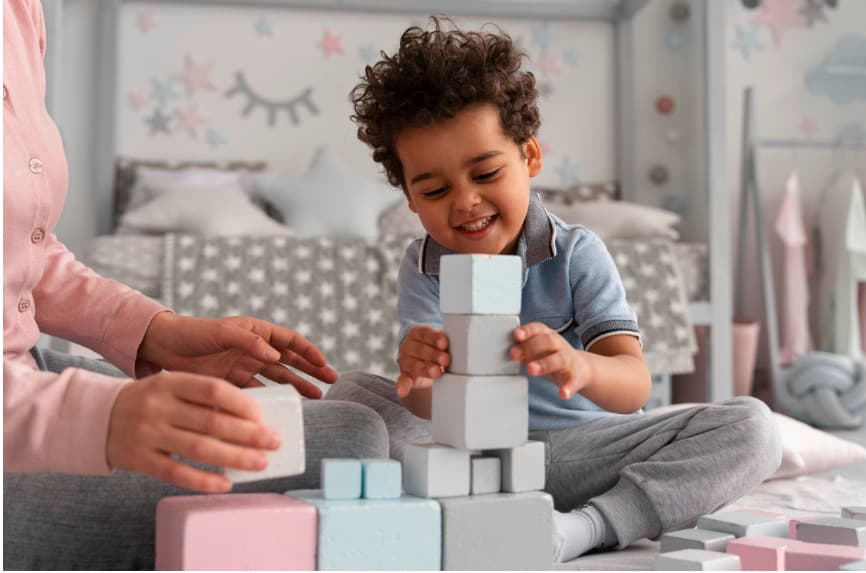
Kids spend time with family, friends, and neighbours during festivals in a spirit of camaraderie and happiness. Such instances reinforce communication, collaboration, and emotional sensitivity. As children assist in decoration, preparing sweets, or gifting, they are taught the value of contribution and gratitude. This direct participation fosters confidence and empathy, which are prerequisites for healthy development.
4. A Creative and Sensory Playground
Festivals stimulate all the senses—sight, sound, touch, taste, and smell. Rangoli designs, ceremonial songs, crafts made with hands, and delectable traditional foods provide a multisensory learning environment. Not only does it inspire creativity, but it also enhances fine motor skills and imagination. When children join in art, dance, or storytelling during festivals, they become assertive in expressing themselves freely.
5. Bridging Generations and Building Identity
Festivals unite generations. Grandparents tell stories, parents teach traditions, and children pass them along. This intergenerational connection informs children about where they’ve come from and who they are. It develops emotional roots and forms identity in a world that too often rushes along too quickly to stop and consider meaning.
In a screen and schedule-dominated world, festivals remind us of the delight of genuine connections and common experiences. For kids, they are outdoor classrooms where one learns about love, culture, and character with ease.
When we allow young minds to delve into the splendour of festivals, we are not celebrating a day; we are empowering the citizens of the future who appreciate diversity, kindness, and unity.
Festivals remind us that true education lies in experiences, emotions, and togetherness. They teach children lessons that no classroom can — lessons of kindness, unity, gratitude, and cultural pride. When young minds celebrate traditions, they are not just enjoying a festival; they are understanding the essence of humanity and belonging.
As the best international school, Harshad Valia beautifully believes, “Learning is most powerful when it’s felt, not taught.” Festivals are living proof of that — where joy becomes knowledge, and celebration becomes growth.