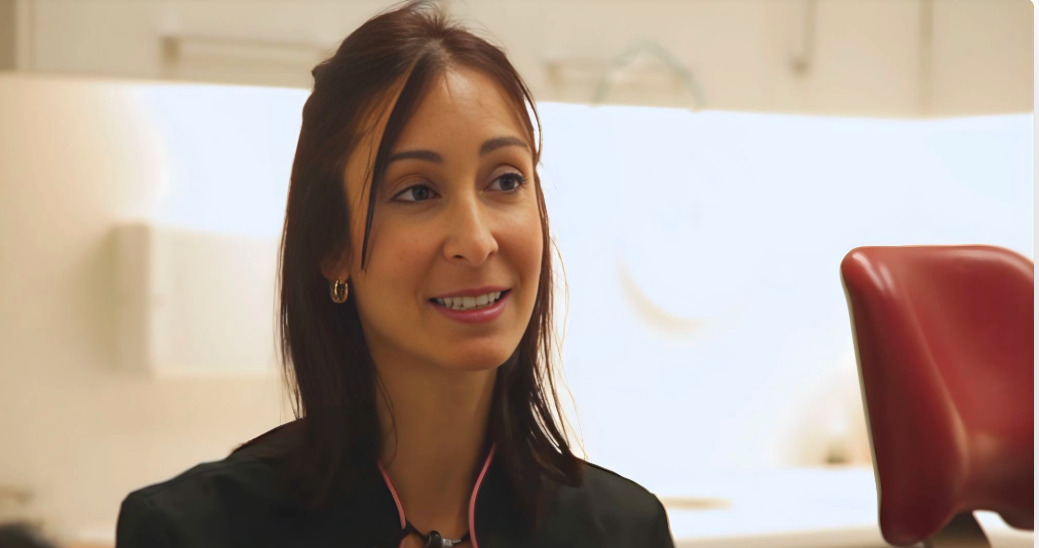
As a dentist in Maroubra, I spend years training not just to care for my patients’ teeth and gums, but also to look after my own. One thing I often tell patients is this. Good dental care is not about being perfect. It is about being consistent and avoiding the small everyday habits that slowly turn into bigger problems.
There are certain things I would never do to my own teeth, simply because I know what they lead to over time.
1. Replacing brushing and flossing with oil pulling
I would never replace brushing and flossing with oil pulling. While oil pulling may remove some surface debris, it does not clean where it actually matters. The spaces between the teeth and along the gumline are where plaque builds up and where most dental problems begin.
Brushing and flossing are still the most effective ways to remove plaque and bacteria. Oil pulling might feel beneficial, but it gives a false sense of protection while plaque continues to build up in areas it cannot reach. For me, it is not a substitute for proper oral hygiene.
2. Using charcoal toothpaste to whiten my teeth
I would never use charcoal toothpaste. While it may make teeth look polished initially, charcoal is abrasive and slowly wears down enamel. Enamel is what protects your teeth from sensitivity and keeps them looking naturally bright.
As enamel thins, teeth become more sensitive and appear yellower because the inner layer starts to show through. Once enamel is gone, there is no way to get it back. Protecting it is far more important than chasing short-term whitening results.
3. Avoid breathing through my mouth
I am very conscious of breathing through my nose rather than my mouth, especially during sleep. Mouth breathing dries out saliva, and saliva is the body’s natural defence system for teeth. Without enough saliva, the risk of cavities, gum irritation, bad breath, and chapped lips increases significantly.
Long-term mouth breathing is also linked to sleep apnoea, which many people are unaware of. Saliva plays a major role in neutralising acids and controlling bacteria, and I would never compromise that natural protection.
4. Using my teeth as tools
I would never use my teeth to open bottles, tear packets, or hold objects. Teeth are designed for chewing food, not acting as tools. These habits may seem harmless, but they can chip enamel, cause cracks, and weaken teeth over time.
Small damage often goes unnoticed until it leads to misalignment, fractures, or the need for treatments such as aligners or crowns. It is simply not worth the risk.
5. Constantly sipping on carbonated or flavoured drinks
Living in Australia, especially during warmer months, it is common to carry a drink bottle everywhere. I am careful about what I sip on throughout the day. Sports drinks, kombucha, iced tea, flavoured water, and soft drinks all expose teeth to acids, even when they are low in sugar.
Every sip lowers the pH in the mouth and softens enamel. When this happens repeatedly, teeth do not get enough time to recover. Over time, this leads to enamel erosion, sensitivity, and a higher risk of cavities. I choose plain water most of the time and keep acidic drinks as an occasional choice rather than a constant habit.
As a dentist, I protect my smile by avoiding habits that cause slow, invisible damage. Good oral health is built on awareness, consistency, and understanding how everyday choices affect your teeth.
You do not need to be perfect. You just need to avoid the things that quietly undo your efforts.
At Gentle and Caring Dentistry in Maroubra, I encourage my patients to look at dental care the way I do, not as a reaction to pain, but as a way to protect their smile for the long run.