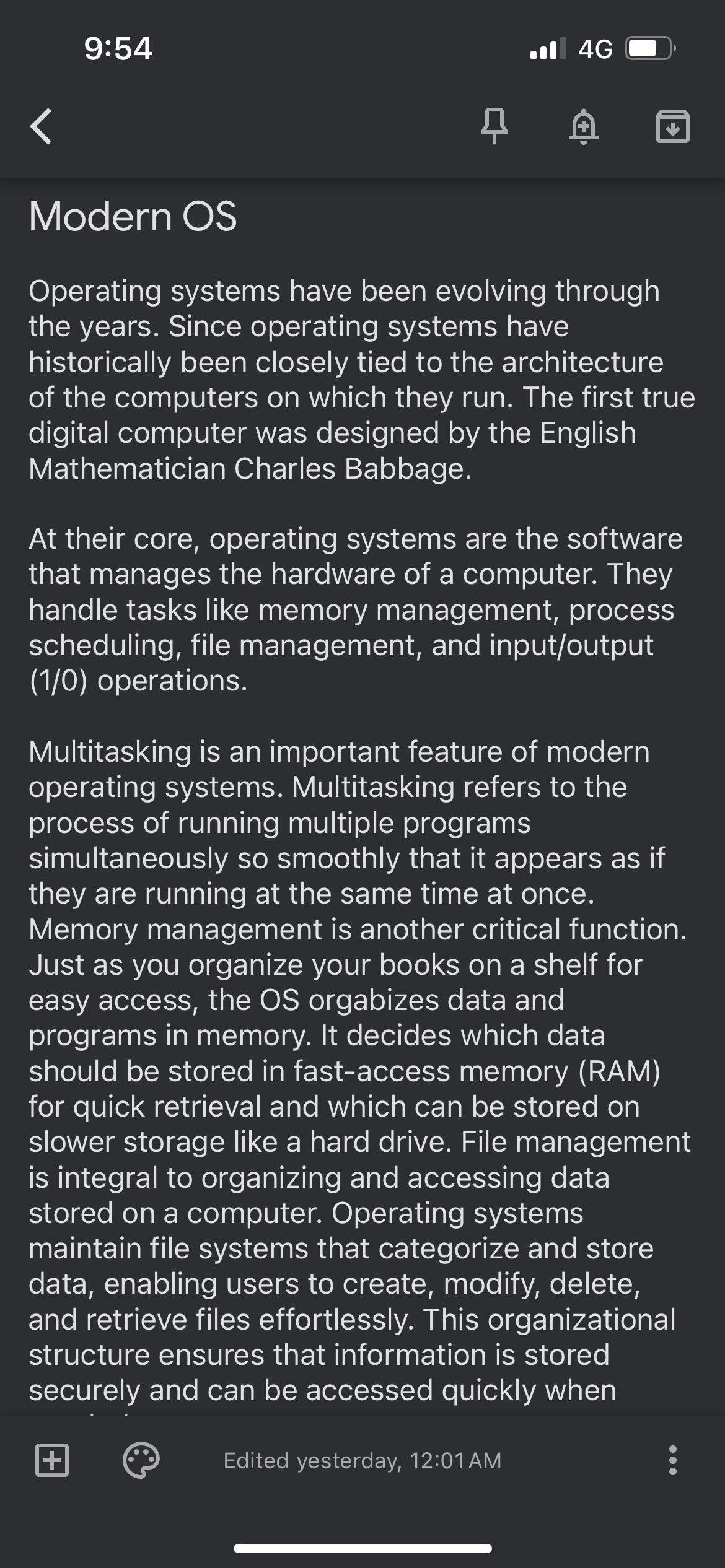
Operating systems have been evolving through the years. Since operating systems have historically been closely tied to the architecture of the computers on which they run. The first true digital computer was designed by the English Mathematician Charles Babbage.
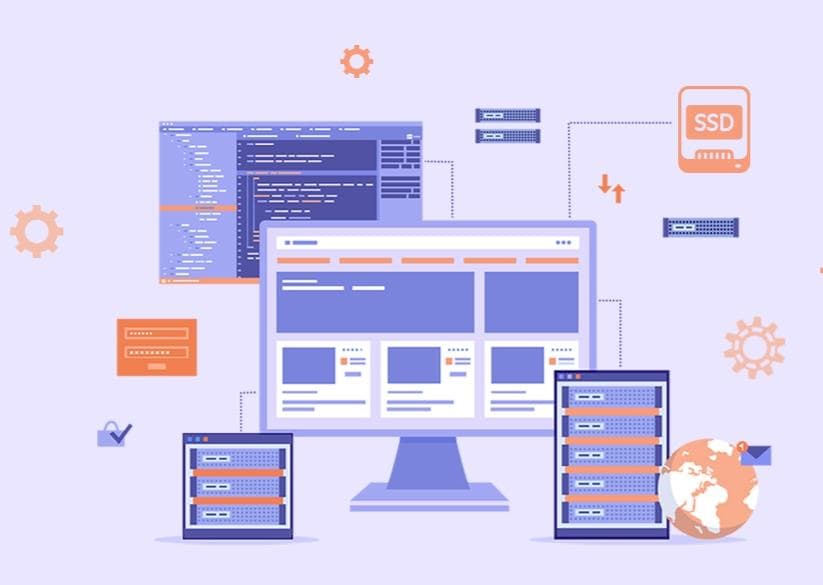
At their core, operating systems are the software that manages the hardware of a computer. They handle tasks like memory management, process scheduling, file management, and input/output (1/0) operations.
Multitasking is an important feature of modern operating systems. Multitasking refers to the process of running multiple programs simultaneously so smoothly that it appears as if they are running at the same time at once. Memory management is another critical function. Just as you organize your books on a shelf for easy access, the OS orgabizes data and programs in memory. It decides which data should be stored in fast-access memory (RAM) for quick retrieval and which can be stored on slower storage like a hard drive. File management is integral to organizing and accessing data stored on a computer. Operating systems maintain file systems that categorize and store data, enabling users to create, modify, delete, and retrieve files effortlessly. This organizational structure ensures that information is stored securely and can be accessed quickly when needed.
The interface with which the user interacts is provided by the operating system. User interfaces vary from Command Line Prompts (CLI) example; Linux or Graphical User Interface(GUI) example; Windows or Mac OS. The operating system helps in translating the actions of the user into such commands which are understood by the computer to perform the desired task.
Security is another crucial feature of modern operating systems. Safeguarding the data from threats, leaks, unauthorized access, etc. is of utmost importance in modern operating systems. Robust security implementation measures such as user authentication, access control is become mandatory to maintain data integrity.
The older operating systems had many limitations. One of them was finding compatible hardware and software to complement the operating system. Compatibility with a wide range of hardware and software is necessary to implement a qualitative operating system. This compatibility helps the user to use the hardware and software as per his desire.
Modern operating systems help in managing the computing complexity, allowing the user to be more focused towards other aspects such as productivity and connectivity. By managing hardware resources, facilitating multitasking, ensuring data integrity, and providing intuitive interfaces, they empower users to leverage the full potential of their digital devices in both personal and professional contexts.